Oct 15, 2026
Best Multifunctional Commercial Baking Oven for High-Volume Food Production
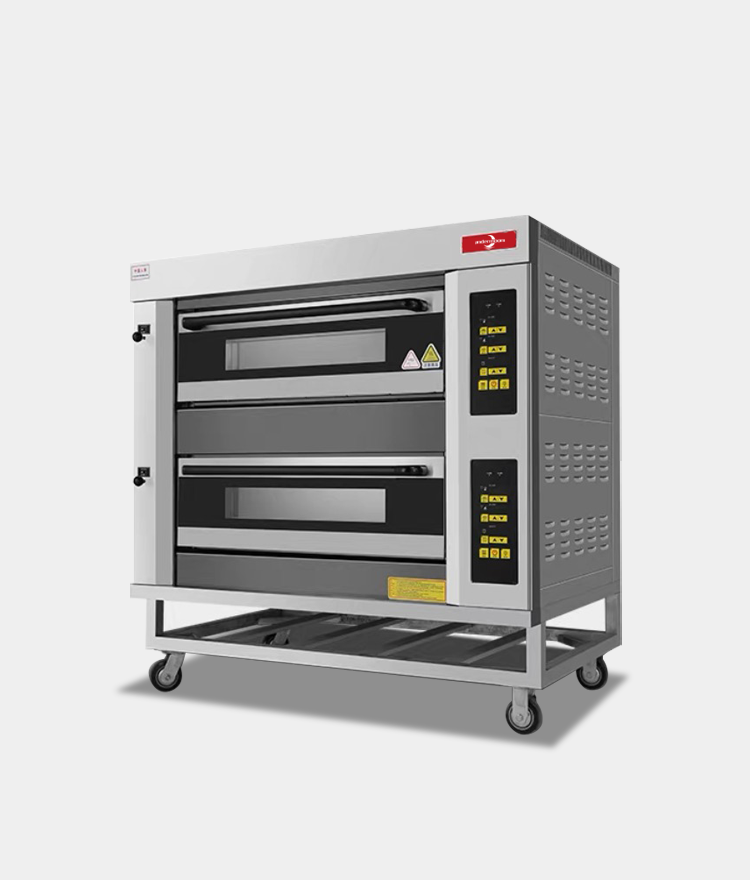
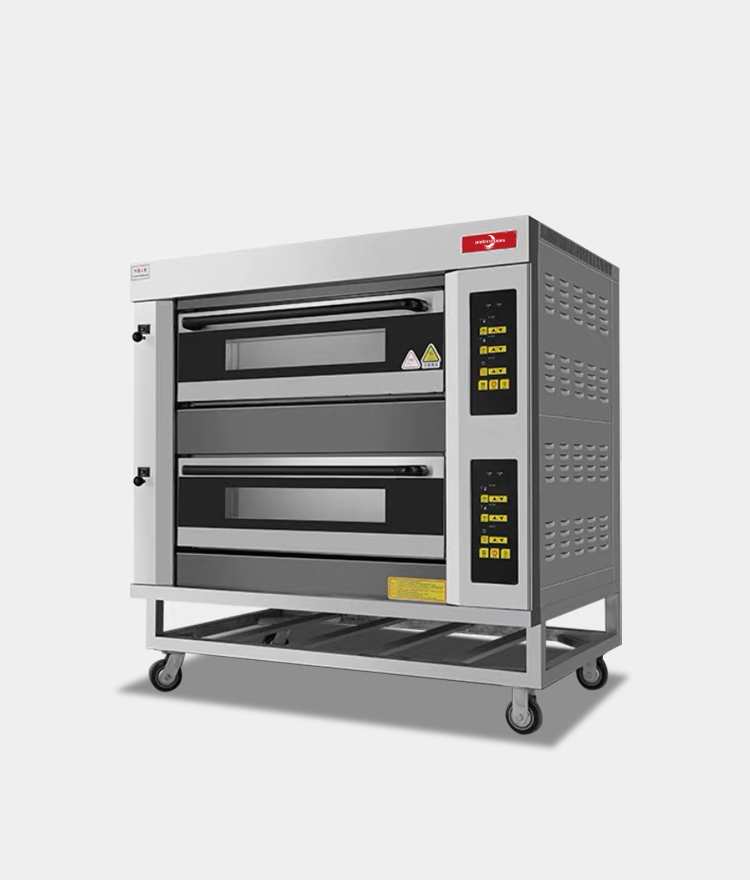
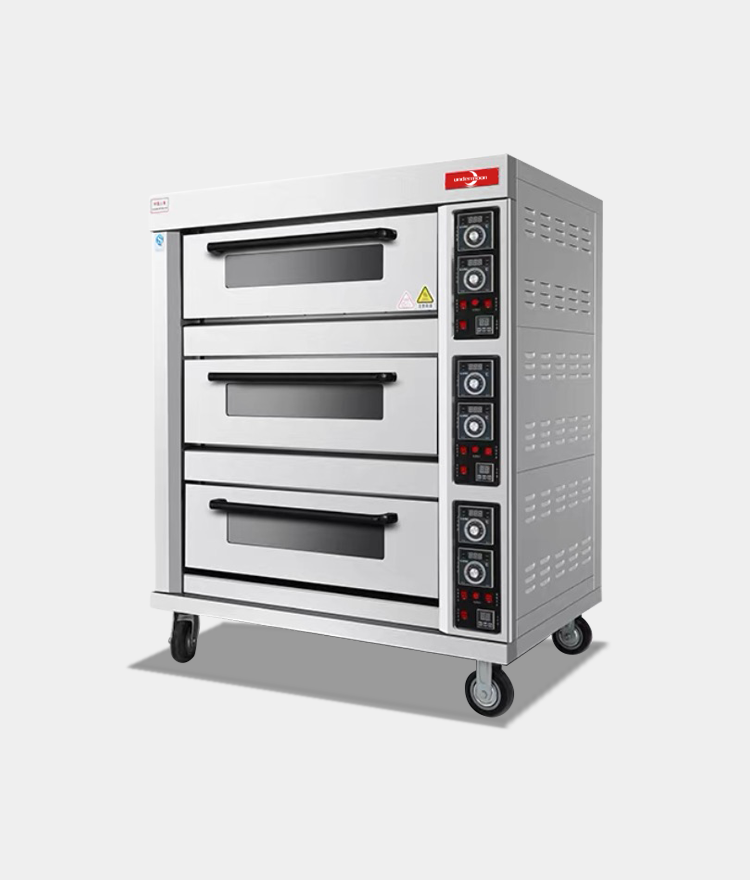
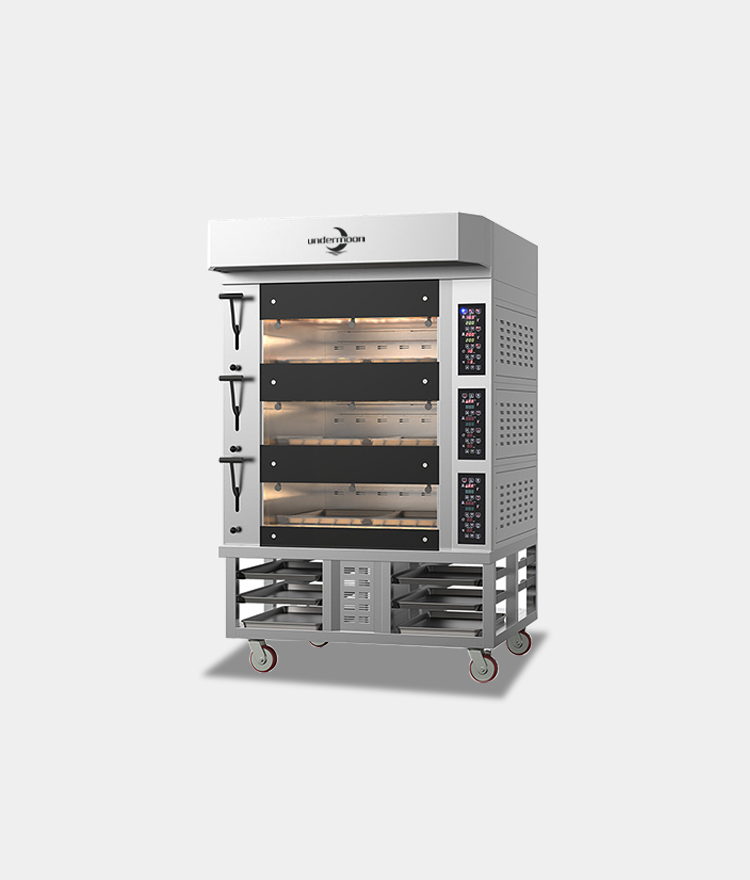
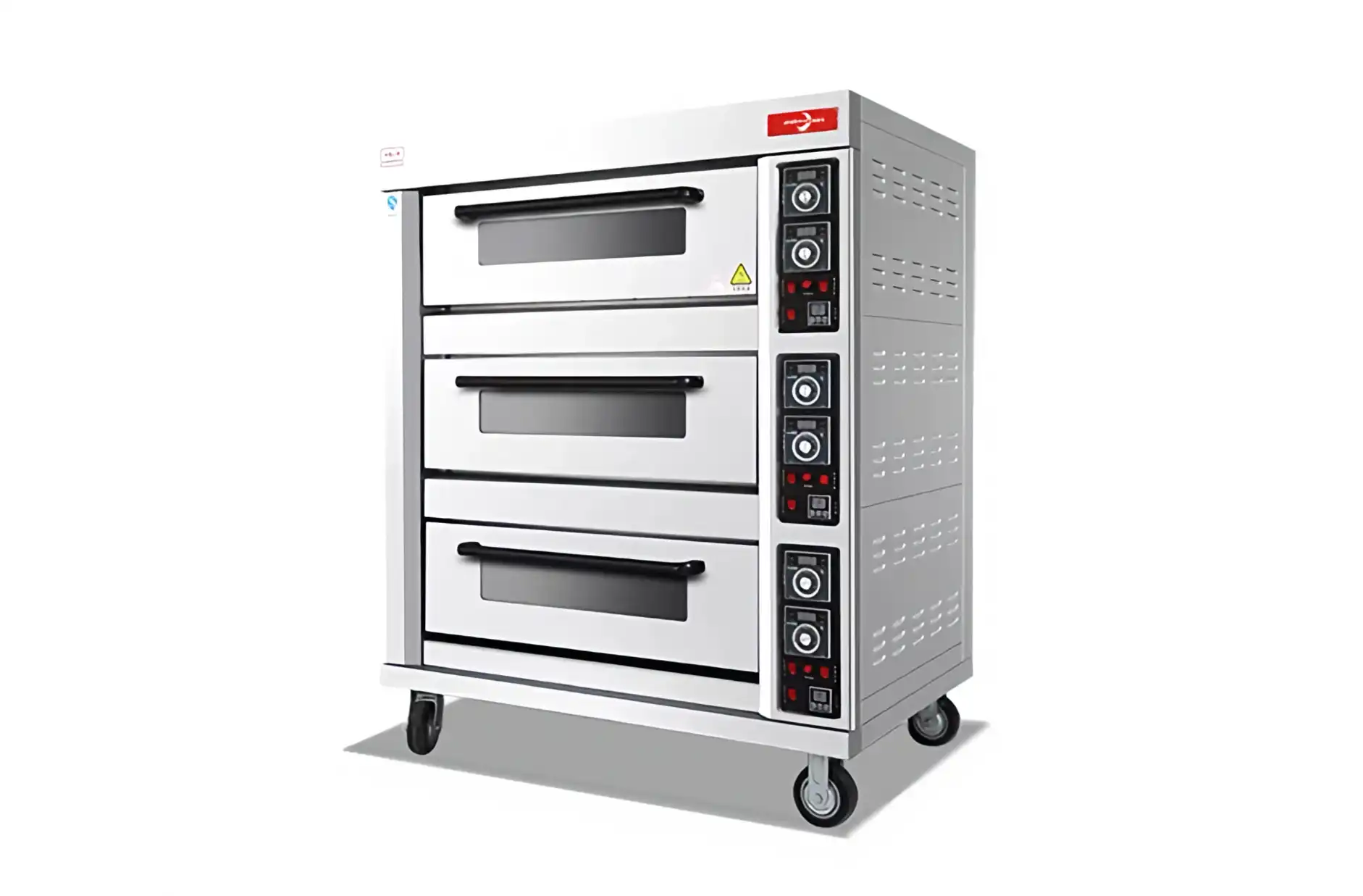
When looking for the best multifunctional commercial baking oven for making a lot of food, people in charge need to find equipment that is both reliable and efficient. Our SL-KXD3-9 three-deck electric oven strikes just the right mix, with nine-tray space spread out over three separate chambers. This industrial-grade solution was created using 20 years of experience in manufacturing. It offers uniform heat distribution, strong construction, and the customization options that chain bakeries, food processors, and central kitchens need for continuous production cycles.send inquiry.

Understanding Multifunctional Commercial Baking Ovens: Features, Benefits, and Working Principles
Why Multifunctional Design Matters in Industrial Baking
Today's bakeries need to be flexible without lowering the quality of their work. As a result of the limited room that many urban facilities have, a multifunctional commercial baking oven can be used for more than one type of cooking. Unlike equipment that only does one thing, these systems can handle a wide range of products, such as specialty breads that need exact steam injection and laminated pastries that need dry convection heat, without the need for workers to move groups between machines.
With its separate weather zones, our three-deck layout is a good example of this idea. Each deck has its own mechanical controls that let it work on its own, so different goods can be baked at different temperatures at the same time. The wide temperature range, from room temperature to 400°C, helps with all stages of production, from proving delicate biscuits at lower temperatures to getting the Maillard reaction going on rough sourdough crusts at higher temperatures.
Core Technical Advantages Driving Productivity
Balanced heat movement is at the heart of how well deck ovens work. Our SL-KXD3-9 uses three-dimensional heat movement to get rid of cold spots by placing elements strategically and designing shielding in a smart way. Thickened mineral wool insulation keeps heat in, so there is less time for recovery between door opens. This is very important in industrial settings with high-frequency loading cycles.
Profitability is directly linked to how well you use space. With small measurements of 1640×805×1500mm, this unit improves vertical capacity while keeping a small footprint on the floor. Operations managers like this density: nine full-size trays can bake at the same time, whereas with a standard single-deck system, three different units would be needed, which would triple the amount of space needed for production.
The mechanical input system focuses on making things as easy to use as possible. Setting the time and temperature with analog buttons is easy, and you don't have to go through the learning curve that comes with digital systems. This choice in design cuts down on the time needed to train new employees and gets rid of the chance that touchscreens will break down in hot places. The stainless steel design can handle the corrosive effects of steam, cleaning products, and the constant changes in temperature that happen in industrial baking settings.
Comparing Multifunctional Commercial Baking Ovens: Which Model Fits Your Business?
Electric Versus Gas: Making the Right Energy Decision
When deciding what cooking tools to buy, procurement teams often compare different multifunctional commercial baking ovens, especially considering whether electric or gas models are more suitable. Electric types, like our deck oven, are easier to install because they don't need gas lines or ventilation that is different from normal kitchen exhaust. The 380V three-phase power source provides steady energy, which means that the temperature stays stable, which is something that gas burners can have trouble with when the pressure changes.
Lifecycle costs are included in cost research, not just the buying price. Electric units usually convert energy 15-20% more efficiently than gas units, but the amount of money you save will depend on your local utility rates. We can customize voltage needs to make sure they work with different electrical systems in foreign markets. This is especially important for wholesalers who are in charge of businesses in more than one country.
Capacity Planning: Matching Output to Demand
How big your tools need to be depends on how much you're producing. With nine trays, this multifunctional commercial baking oven can hold 200-400 kg of cooked goods per shift, which makes it perfect for mid-sized baking chains and hotel commissaries. The European standard allows for three 600×400mm trays on each deck, which makes sure that they can be used with current proving racks and cooling equipment.
Batch adaptability is just as important. Independent control of each deck lets you set different baking times so that you can load new goods while others finish, keeping the work flow going without any downtime for equipment. This working rhythm is very important during times of high demand, when delays in production have a direct effect on income.
Durability Standards and Quality Benchmarks
The choice of materials affects how long equipment lasts in harsh business settings. The outside and inside of our products are made of stainless steel, which doesn't rust and makes it easier to follow the cleaning rules needed by HACCP and FDA food safety rules. Thickened insulation does two things: it keeps heat in to save energy and protects the outside of the house from burn risks in small kitchens.
During the production process, quality control checks include thermal mapping to make sure that baking areas are all the same temperature, door seal integrity testing to make sure that heat doesn't escape, and IEC-compliant electrical safety tests. These steps make sure that every unit that leaves our plant meets the performance standards that purchasing managers use to figure out how much they can produce and how much it will cost to run.
How to Choose the Best Multifunctional Commercial Baking Oven for Your Bakery
Assessing Your Operational Requirements
An honest output estimate is the first step in making good equipment specifications. Figure out how many of each type of product you want to make each day, taking into account the time it takes to prepare, bake, and cool. The three-deck layout works well for businesses that need to make a variety of goods. For example, they could bake sandwich rolls on one level while making bread and dinner rolls on the other decks at the same time.
Infrastructure problems in the kitchen have a bigger effect on the choice of tools than workers think at first. Before making final decisions, make sure you know how much floor room you have, how high the roof is for ventilation ducts, and how much power the electrical panel can handle. Our small design makes the most of vertical space, but you'll still need enough room for the door to swing open and for safe tray handling.
Essential Features for Commercial Reliability
Professional technology in a multifunctional commercial baking oven is different from consumer-grade options when it comes to temperature accuracy. Our model's mechanical thermostats keep the accuracy within acceptable practical limits for industrial baking, but they aren't as precise as the PID controllers in high-end steam-combi systems, which are accurate to within ±1°C. This trade-off lowers the initial cost while still providing performance good enough for most baking uses.
Total cost of ownership is directly related to how easy it is to maintain. Heating elements that are easy to reach, drip trays that can be removed, and smooth inner surfaces all cut down on cleaning time, which is a big deal when figuring out how much work costs for different shifts. We make sure that every unit can be serviced by using standard parts that techs can swap out without having to use special tools.
Supplier Selection Criteria
It's not just about the product specs when choosing a manufacturing partner; it's also about how reliable they are for your business. Our 20 years of experience working with business bakeries show that we are stable and know how to deal with real-world production problems. This experience guides the creation of new products, making sure that their features meet real-world operating needs rather than just theoretical requirements.
Customization is what sets makers apart from people who sell used equipment. We can make changes to voltage settings, control panel languages, tray sizes, and aesthetic finishes to make them fit with your company's name. OEM and ODM services help wholesalers make their own private-label product lines. These services include technical documents and spare parts programs that keep a brand's image safe by providing reliable support after the sale.
Best Practices: Operating, Maintaining, and Troubleshooting Multifunctional Commercial Baking Ovens
Maximizing Baking Performance Through Proper Operation
To make sure the quality of your products is always the same, you need to understand how heat moves. Before filling, make sure the ovens are well heated so that the deck surfaces and chamber air can reach a temperature balance. This mixture keeps the bottom crusts from being burnt, which happens when heat is transferred to cold baking surfaces. The mechanical timer helps with planning batches, but experienced cooks learn to read visual signs for when the food is done.
Evenness is affected by where products are placed on decks. Keep enough space between trays to let air flow, and resist the urge to fill up too quickly during busy times. Even though our three-dimensional heating system helps keep things even, convective heat transfer still needs ways for air to move to reach all the surfaces of the object.
Preventive Maintenance Schedules
Structured maintenance keeps machines from breaking down without warning, which can throw off production plans. Cleaning the oven every day gets rid of the flour dust and product waste that builds up on the heating elements and makes them less efficient and more likely to catch fire. Door gaskets should be deep cleaned once a week to make sure they have good seals that keep chamber temperatures stable and stop energy loss.
Once a month, electrical connections are checked for signs of thermal stress, the mechanical timer is tested to make sure it works, and the accuracy of the temperature reading is checked using a separate thermometer. These regular checks find problems before they get so bad that they need to be fixed during work hours.
Common Issues and Solutions
Uneven baking is usually a sign of either bad product placement or a hot element that needs to be replaced. If one place regularly underbakes, move the trays around. If the problem persists in all deck locations, plan an element inspection. Most control problems are caused by mechanical wear in parts like timer springs or thermostat contacts that are meant to be replaced instead of fixed.
Door seals that are worn out and let heat escape are a common cause of drops in energy efficiency. Replacement seals don't cost much compared to the amount of energy that is wasted over time. We keep a store of extra parts just for these wear parts so that procurement managers can get replacements without having to wait for lead times that stop production.
Procurement Insights: Where to Buy, Pricing, and After-Sales Services
Sourcing Strategies for B2B Buyers
Having a direct connection with a producer has benefits beyond the price of the product. Working with well-known companies like ours gives you access to engineering help during the development of specifications, which makes sure that the tools you choose really meet your needs. We work with foreign distributors, kitchen builders, and end-user businesses by offering flexible engagement models that can be used with a range of buying structures.
OEM agreements help sellers make their products stand out in the market. We help with private labeling by offering unique branding, changed specs, and market-specific certifications like CE, ETL, UL, NSF, and RoHS compliance. This gives buyers the freedom to meet the rules in different areas without having to keep separate ties with suppliers for each area.
Investment Considerations and Total Cost Analysis
The SL-KXD3-9 is a moderately expensive aircraft that strikes a good balance between practical performance and cost. Instead of looking for the lowest starting cost, procurement managers should look at price in the context of production capacity, energy efficiency, and expected service life. When properly kept, our equipment gives you a return on your investment (ROI) through steady daily use over ten-year or more lifespans.
Overseas sellers who are in charge of shipping processes care about how quickly containers are loaded. Our standard packing maximizes freight density, and we offer thorough loading plans to help with the consolidation of mixed containers. Our careful attention to export details comes from years of experience working with foreign markets where transportation costs have a big effect on landing prices.
After-Sales Support Framework
Comprehensive service programs help protect your equipment investment long after the warranty period. Our technical support team provides professional assistance with troubleshooting, maintenance guidance, and replacement part identification. Detailed operation manuals, wiring diagrams, and component specifications enable qualified technicians to perform repairs efficiently and accurately.
The ability to get spare parts sets high-quality makers apart from commodity providers. We keep important parts like heating elements, heaters, timers, and door seals in stock and can ship them anywhere in the world. This system for supporting parts keeps procurement managers from having to wait for long periods of time for hard-to-find new parts that can't be found through local service networks.
Conclusion
When choosing commercial baking tools, you have to weigh short-term costs against long-term benefits for the business. The SL-KXD3-9 three-deck electric oven demonstrates our commitment to providing a reliable multifunctional commercial baking oven that meets the needs of chain bakeries, food processors, and central kitchens, backed by twenty years of manufacturing experience. Chain bakeries, food makers, and central kitchens all have different needs in competitive markets. This machine's simple mechanics, strong construction, and ability to be customized meet those needs. When making choices about what to buy, it's best to work with manufacturers that can show they have the production skills, quality systems, and quick customer service to keep tools running well for longer.
FAQ
What is the typical lifespan of commercial deck ovens?
Professional baking tools that are well taken care of will last for 10-15 years without stopping. Our heavy-duty components and stainless steel design can handle the thermal cycles and mechanical stress that come with business operations. However, how long they last depends on how often they are used and how well they are maintained.
Can one oven handle diverse bakery products?
Different things can be made at the same time thanks to the wide temperature range and separate deck settings. Bakers are able to make bread, cakes, and baked goods in the same unit, but they should plan their products so that strong-smelling goods don't get mixed up with each other.
How does energy consumption compare to gas models?
Gas ovens only turn about 60-70% of the energy they take in into useful heat, while electric ovens turn about 85-90% of it into heat. Regional energy rates, on the other hand, have a big effect on running costs. Before deciding on a power source, you should use the prices of electricity and gas in your area to figure out how much it will really cost you.
Partner With Undermoon for Your Commercial Baking Equipment Needs
Every multifunctional commercial baking oven that Undermoon makes is backed by 20 years of specialized manufacturing experience. Our SL-KXD3-9 model is a great example of the high quality standards and customizability features that set trusted suppliers apart in markets with lots of suppliers. Chain bakeries, food processors, and equipment wholesalers can get help from us with our adjustable OEM solutions, detailed technical documents, and quick customer service after the sale. Our engineering team works together to make sure that the equipment we give meets all of your production needs, whether you need standard setups or custom specs. Contact our sourcing experts at undermooncn@gmail.com to talk about the details of your project and get thorough offers that will help your business achieve long-term efficiency gains through proven manufacturing excellence.
References
1. Smith, J. & Anderson, P. (2023). Industrial Baking Equipment: Selection and Optimization Strategies. Commercial Food Service Publishing.
2. Morrison, R. (2022). "Energy Efficiency Standards in Commercial Oven Design," Journal of Foodservice Technology, Vol. 18, pp. 234-251.
3. Chen, L. & Roberts, M. (2024). Procurement Best Practices for Food Production Equipment. International Bakery Institute Press.
4. Thompson, K. (2023). "Thermal Performance Analysis of Multi-Deck Baking Systems," Food Engineering Quarterly, Vol. 45, No. 3, pp. 112-128.
5. Williams, D. (2022). Commercial Kitchen Equipment Maintenance Protocols. Professional Culinary Systems Association.
6. Park, S. & Martinez, E. (2024). "Cost-Benefit Analysis of Electric Versus Gas Commercial Ovens," Foodservice Equipment Research, Vol. 31, pp. 67-89.
Online Message
YOU MAY LIKE
High quality furniture manufacturer