Oct 20, 2026
Energy-Efficient Single Deck Commercial Bread Baking Ovens for Bakeries
A single-deck commercial bread-baking oven is a smart investment for small- to medium-sized bakeries, pastry workshops, and food service businesses that are looking for energy-efficient ways to bake. These specialized units have a small footprint and powerful heating technology, which makes them reliable for baking while keeping costs low. Modern single-deck ovens have independent temperature control, strong construction, and reduced energy consumption. They meet the dual challenge of maintaining product quality and lowering utility costs, making them necessary equipment for businesses that want to make money while also being good to the environment.send inquiry.
Understanding Single Deck Commercial Bread Baking Ovens
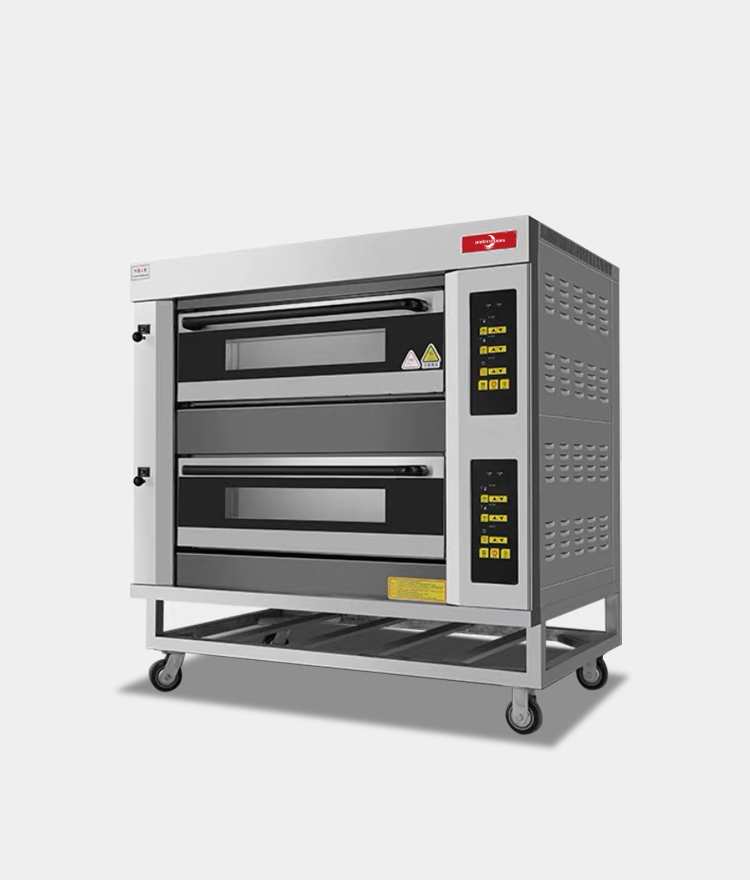
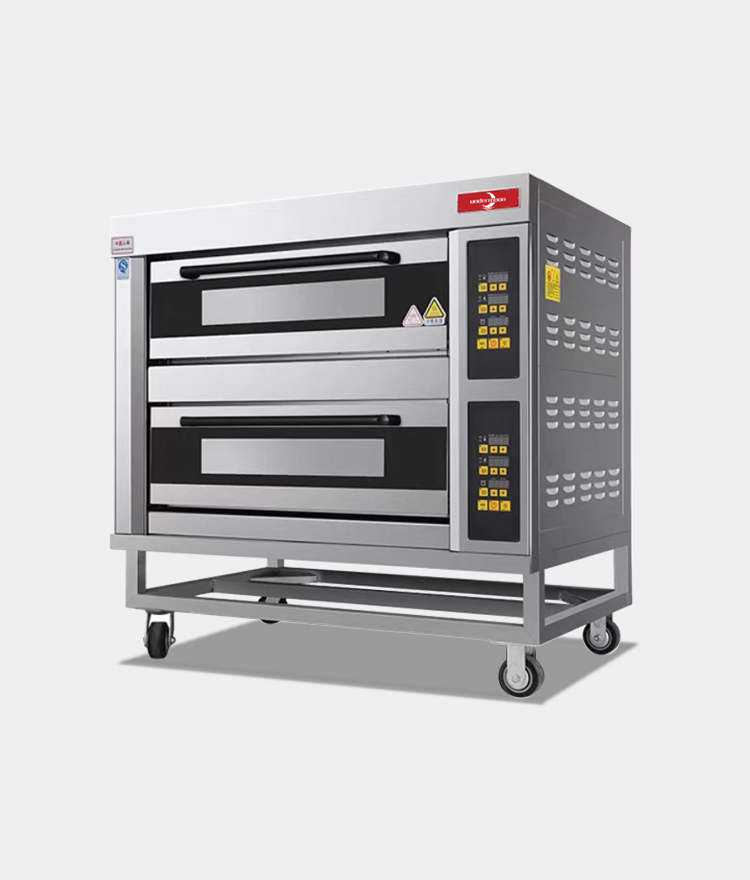
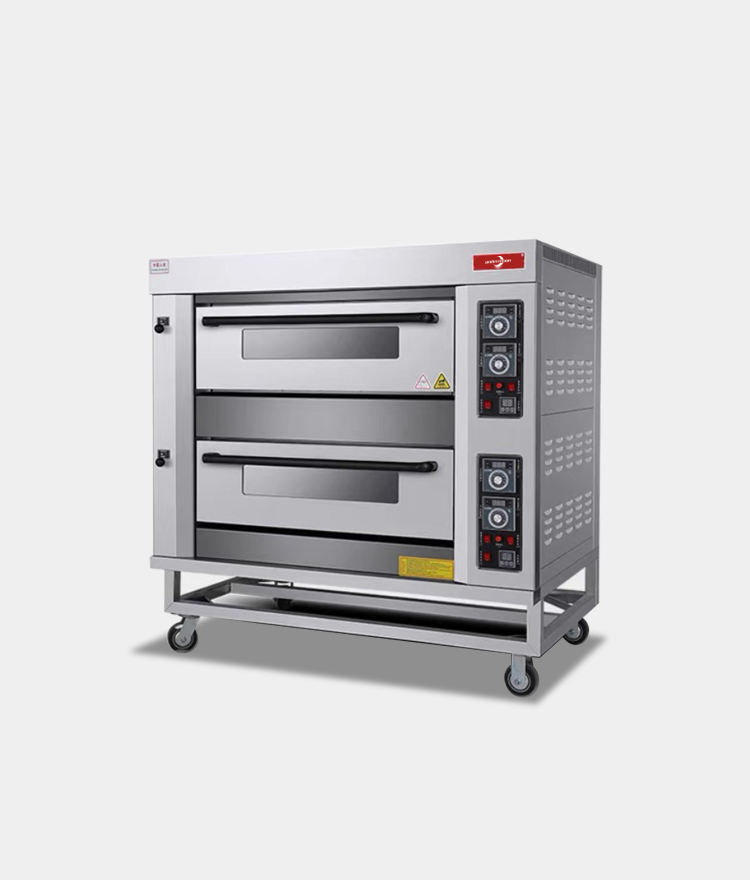
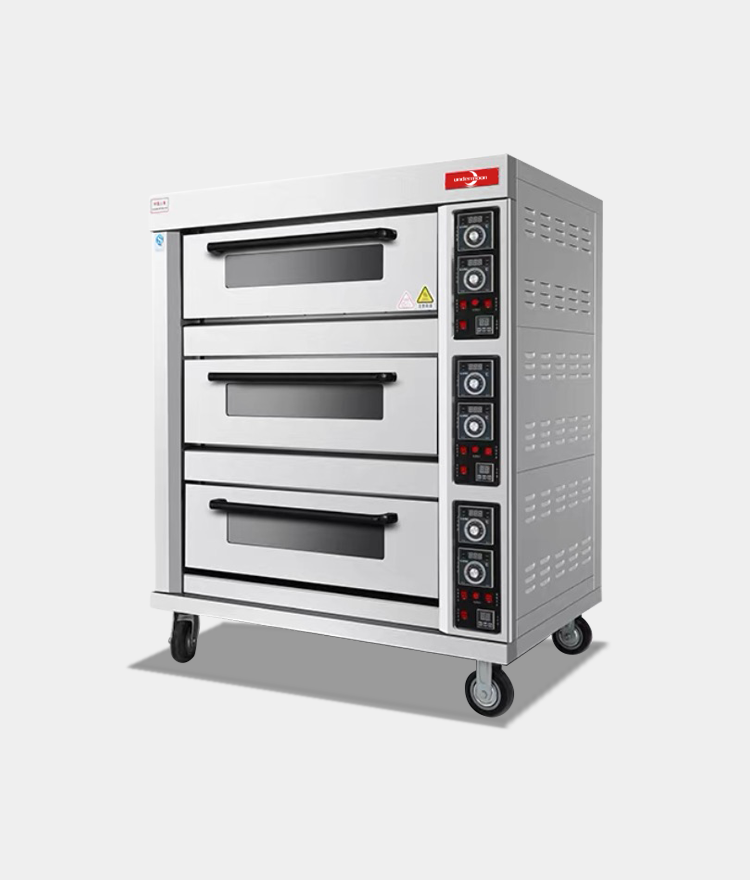
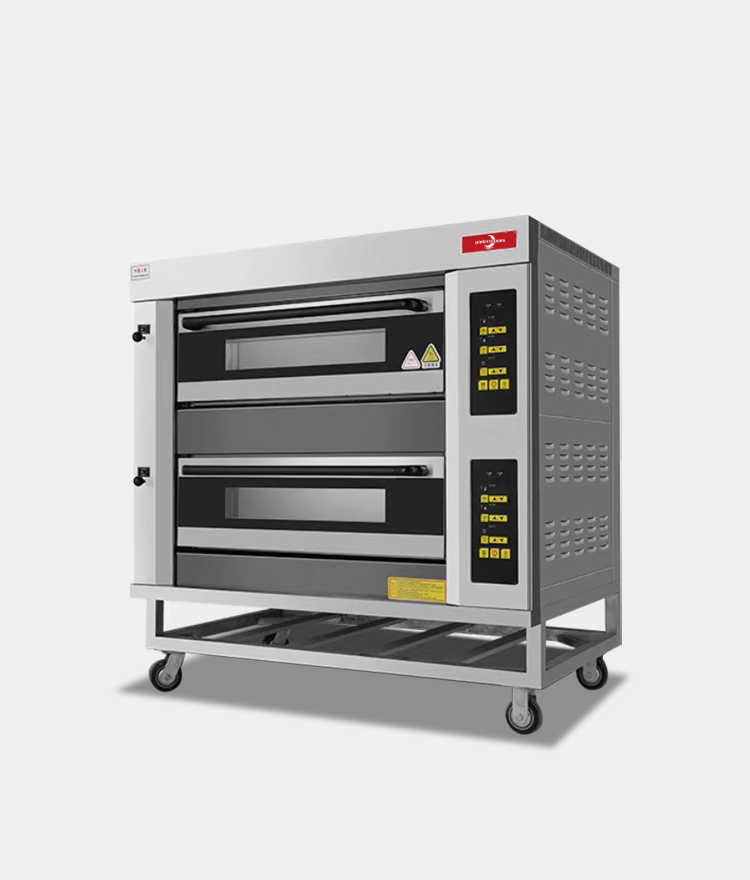
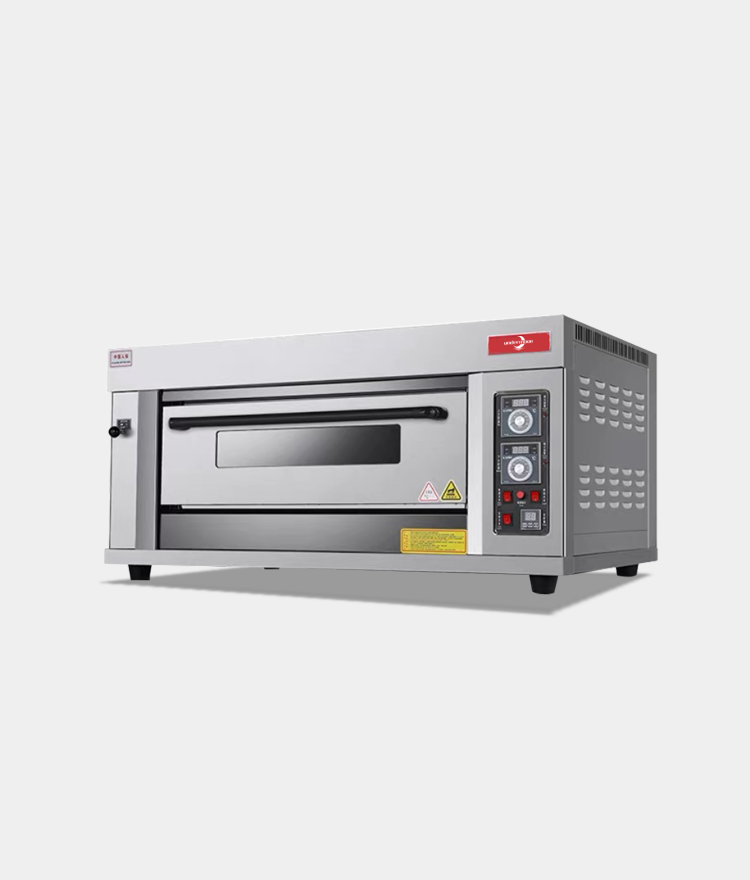
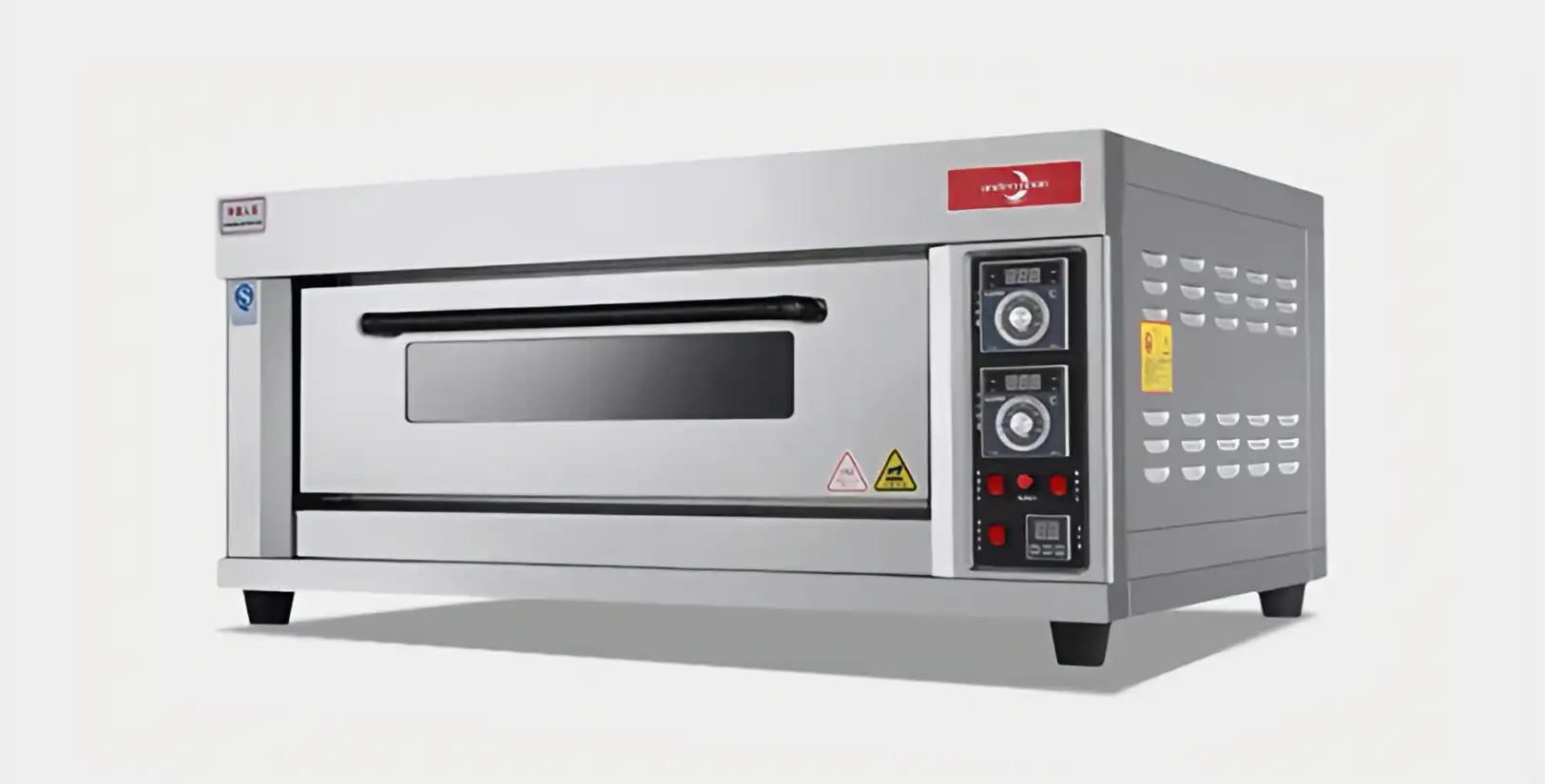
Single-deck commercial bread baking ovens are designed to work in business settings that need precise temperature control inside a baking room. Unlike multi-tiered systems, these units put all of their baking energy into a single place. This lets operators get very accurate temperature readings and heat distribution. The basic design has separate upper and lower heating elements, which are usually driven by gas or electric resistance burners. These elements work together to spread even radiant heat throughout the room.
How Single-Deck Ovens Work
Controlled heat radiation is at the heart of how it works. Electric types have high-efficiency heating elements placed above and below the baking deck. These elements are usually made of cordierite stone or steel that has been strengthened. When these elements are turned on, they quickly reach the right temperature and send heat straight to baking pans and goods. Alternatives that use gas have burner systems with flame distribution lines that make sure the heat gets to every part of the room evenly. In both designs, dense insulation—usually high-grade mineral wool that is more than 100 mm thick—keeps heat inside, stops the outside from warming up, and keeps the temperature inside stable even when the doors are opened and closed a lot.
Production Capacity Considerations
How fast you can bake varies on the size of the room and how many trays you have. A normal industrial single-deck commercial bread baking oven can hold two standard-sized trays, each measuring about 400 mm x 600 mm. This makes it possible to make specialty breads, pastries, pizzas, and cakes in large batches. The small structure with one deck and two trays is perfect for places that make 50 to 150 loaves a day, like specialty bakers, hotel kitchens, and coffee shop commissaries. Production efficiency isn't just based on capacity; it's also based on how quickly the temperature returns to normal. Quality units return to their set point temperatures 90 to 120 seconds after loading so they can keep heating at the same rate throughout their service times.
Energy Consumption Variables
How energy-efficient a deck oven is depends on the quality of the insulation, the design of the heating elements, and how well the controls work. When compared to standard buildings, premium models with thicker insulation layers cut heat loss by up to 30%, which means real energy savings. Electric ovens that use 6.6kW at 220V/380V can keep temperatures at 200°C with little power cycle, and improved thermostatic settings keep ovens from overheating and wasting energy. By understanding these factors, buying teams can figure out the total cost of ownership instead of just looking at the price of the tools at the start.
Key Benefits of Energy-Efficient Single Deck Bread Baking Ovens
Buying baking equipment that uses less energy has measurable benefits for operating costs, product quality, and being good to the environment. Nowadays, single-deck commercial bread baking ovens that are designed with speed in mind offer many benefits above and beyond their basic baking function.
Operational Cost Reduction
A big chunk of bakery running spending goes to paying for utilities. Appliances that are energy-efficient and have improved insulation and precise controls use 20–35% less gas or electricity than regular types. These saves add up over the course of an average five-year equipment lifecycle. For example, a bakery with two shifts a day can cut its yearly energy costs by $1,200 to $2,000 per unit. The thicker heat insulation not only saves energy but also keeps the kitchen cooler, which lowers the load on the HVAC system during the warmer months and makes the workplace more comfortable for the workers.
Product Consistency and Quality
Exact temperature control has a direct effect on how well baking turns out. Single-deck commercial bread baking ovens with separate heating elements for the top and bottom let workers change the heat zones, which stops common problems like crusts that are too brown or cores that aren't cooked through. Temperature ranges up to 400°C can handle a wide range of goods, from delicate French cookies that need low heat to crusty bread that needs high levels of radiant energy. The balanced heating makes the top the same color, the oven springs correctly, and the crumb structure stays the same. This protects the brand's image and cuts down on waste from refused batches. Bakeries that need to keep their quality certifications gain the most from this repeatability because it lets them follow recipes in a standard way.
Environmental Compliance and Sustainability
Food businesses are moving toward more environmentally friendly practices because of stricter rules and higher consumer standards. Energy-efficient baking tools help reach these goals by lowering carbon emissions and making activities more in line with environmental rules that are becoming more strict in North American and European markets. Electrical safety and energy-saving rules must be followed by equipment that is approved to UL, NSF, and CE standards. Showing environmental responsibility by choosing energy-efficient equipment is more than just following the rules. It also helps your brand's positioning, especially when you're providing chain stores or institutions with sustainability buying policies.
How to Choose the Right Energy-Efficient Single-Deck Bread Baking Oven
To choose the best baking tools, you need to carefully look at the technical specs, the needs of the business, and the supplier's skills. To make sure of long-term happiness and return on investment, procurement managers should look at this choice through a number of different evaluation methods to select the ideal single deck commercial bread baking oven.
Evaluating Core Technical Specifications
First, look at the power needs and capacity matching. An industrial electric single-deck commercial bread baking oven with two trays that draws 6.6 kW at 220/380 V is compatible with normal commercial electrical systems and has enough power to heat up quickly and keep the temperature stable. The 1220mm x 805mm x 560mm chamber size provides a lot of baking space in a small area, making the most of valuable cooking room. The temperature range is also very important. Units that can hit 400°C can be used for a wide range of tasks, from slowly rising enriched doughs to baking pizzas at high temperatures. Mechanical control panels are easier to use and have fewer places where things can go wrong than complicated digital interfaces. This is especially helpful in work settings with a lot of stress.
Electric vs. Gas Heating Considerations
Choice of heating source affects both prices and upkeep needs. Electric ovens are cleaner to use because they don't produce any results of combustion and don't need as much air. Because they have changeable resistance, you can precisely control the temperature, which makes them perfect for working with delicate pastries. Installation only needs electricity hookups, which makes it easier to set up. Gas types usually have lower energy costs per BTU in places where natural gas prices are low, but they need good ventilation systems and regular stove upkeep. Sometimes, hybrid businesses use both types strategically: electric for parts of the business that need to be precise, and gas for parts that make a lot of bread and need to keep costs down per bake.
Matching Capacity to Production Needs
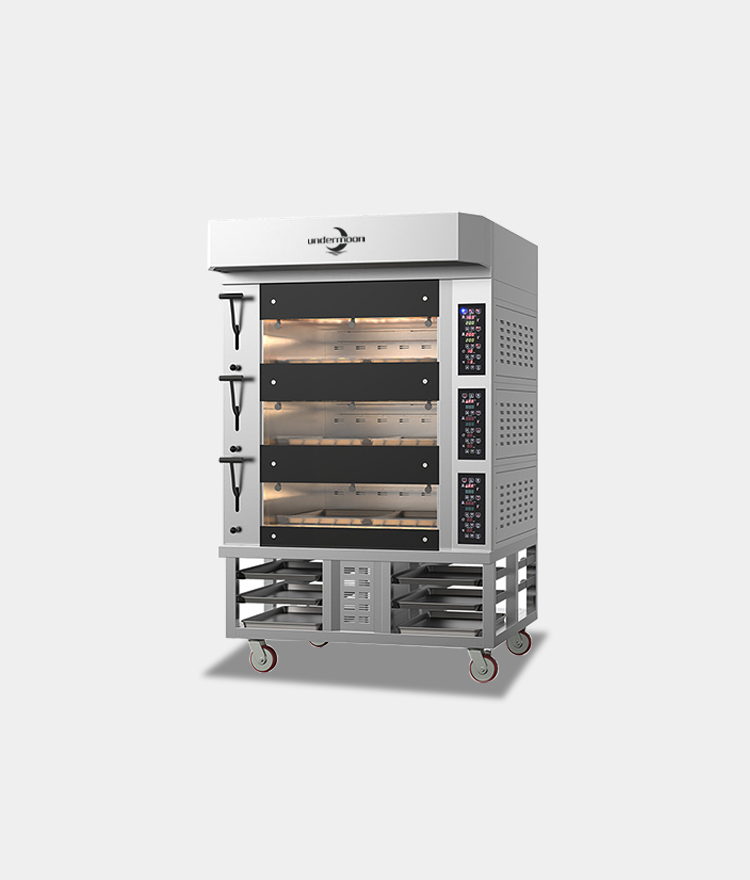
The right size of equipment must be chosen based on both current production and expected growth. A two-tray, single-deck, commercial bread-baking oven is good for bakers that make 40 to 120 specialty loaves every day or businesses that need special tools for certain products. Businesses that need more than this should look into multi-deck setups instead of buying multiple single-deck units, because shared insulation makes stacked designs more energy efficient. On the other hand, equipment that is too big loses energy heating room space that isn't being used and makes small-batch production harder. Accurately predicting demand stops both capacity limits and wasteful oversizing.
Supplier Reliability and Certification
Buying from well-known companies with well-documented quality control methods guarantees that the tools will last and work well. Suppliers who keep their ISO certifications and offer safety approvals that are known around the world (CE, ETL, UL, and NSF) show that they are committed to quality standards. Look into failure rate data—high-end industrial ovens have failure rates of less than 0.5%, which means that fewer than five out of every thousand units fail every year. Warranty terms, the availability of spare parts, and how quickly expert help responds are what set professional makers apart from commodity sellers. Teams in charge of buying things should ask for references from companies that do similar work and make sure that the seller has experience with export logistics. This is especially important for foreign purchases that need to optimize containers and fill out customs paperwork.
Maintaining and Optimizing Your Single-Deck Bread Baking Oven for Long-Term Efficiency
When you take care of your tools the right way, it keeps working well, lasts longer, and uses less energy over time. Setting up structured care routines for your single-deck commercial bread-baking oven stops decreasing efficiency over time, which drives up costs.
Essential Maintenance Practices
Cleaning every day gets rid of the flour dust, sugar deposits, and grease that builds up and makes it harder for heat to move, which can lead to fires. Stainless steel cylinder surfaces don't rust, but they do need to be cleaned with the right products to keep their shine. Checking the state of the door seal once a week is recommended, since worn-out gaskets let heat leave and make the heating elements cycle more often. Temperature precision is checked once a month; even a 10°C difference can affect the quality of the product and the amount of energy used. Professional maintenance should be done once a year, and it should include checking the electrical connections and shielding. With these preventative steps, wear is found before a part fails and stops production.
Optimizing Energy Performance
Many operational practices, in addition to the form of the tools, make it work better. Group together related items to keep the temperature stable between rounds and save energy on heating and cooling over and over again. Only preheat the oven when it's needed. Modern ovens that are well sealed reach working temperature in less than 15 minutes, so there's no need for long warm-up times. When you fully load an oven, you get the most energy use per baking cycle. However, don't overcrowd it, as that stops airflow and causes uneven baking. Plan to do a lot of baking during times when energy rates are lower, like when you only use electricity when you need it. These operating standards work with equipment's efficiency features to save even more money.
Addressing Common Efficiency Issues
The most common problem with effectiveness is heat loss due to worn-out insulation or broken door parts. Some visible signs are exteriors that are especially warm or heating times that last longer than normal. Cycling is inefficient when the temperature control doesn't work right—thermostats that need to be replaced or re-calibrated lose energy by going too high. Degradation of the heating element makes heat movement less effective, which means warming times have to be longer and more power has to be used. Fixing these problems quickly by replacing faulty parts keeps the equipment working well and stops a chain of failures that force early replacement of the equipment.
Procurement and Support: Buying Energy-Efficient Single Deck Commercial Bread Ovens
Strategic buying is more than just choosing tools. It also includes working with suppliers to build partnerships, planning finances, and making sure that installations go smoothly. Taking a thorough approach to buying guarantees that the single-deck commercial bread baking oven will be deployed and integrated into operations smoothly.
Sourcing from Reputable Manufacturers
Established suppliers like undermoon have been making commercial baking tools for 20 years and have a lot of research and development (R&D) and production methods that have been used successfully in the past. Companies with a lot of experience in the field usually have strict quality control measures in place, from choosing the parts to doing the final factory check. These measures make sure that the equipment works well in harsh market circumstances. Their well-honed manufacturing methods and collection of technical knowledge allow their products to consistently work well and allow for quick modification. When looking at possible suppliers, make sure you check their production center size, quality management certifications, and export experience, especially when it comes to optimizing container loading and making sure they have the right paperwork for foreign compliance.
Understanding Customization Options
Professional makers give you more options than just basic layouts. Customizing the voltage meets the electricity standards of different areas: 220V single-phase for smaller businesses and 380V three-phase for large industrial setups. There are many different types of panel setups, from simple mechanical controls to complex digital interfaces with baking patterns that can be programmed. Capacity changes change the size of the room to meet the needs of the production. OEM and ODM services let distributors and cooking equipment resellers build their own brand-name product lines through private labeling. These customization options are especially useful for businesses with multiple locations that want to standardize tools across all of them or for foreign buyers who need to make sure that their purchases are in line with local laws.
Financial and Logistics Planning
Pricing for equipment is based on its quality, size, and level of customizing. While cheap ovens may seem like they aren't too expensive at first, professional-grade ovens are worth the extra money because they are better built, last longer, and have lower failure rates. A lot of sellers offer savings for buying in bulk or for projects that set up a chain. Lead times range from 15 to 30 days for normal setups and from 45 to 60 days for big orders or custom specs. International buyers need to think about how to ship the goods, clear taxes, and coordinate the installation. Choosing wholesalers who are familiar with export procedures makes these processes easier and makes sure that goods are delivered on time and that equipment is properly set up.
After-Sales Support Considerations
The provider support system has a big impact on how well equipment works in the long term. Full guarantees that cover parts and work for 12 to 24 months protect your finances during the first few months of use. Having spare parts on hand is very important—suppliers who keep parts in stock allow for quick fixes that cut down on downtime. Technical support that can be reached by phone, email, or video chat makes it easier to fix problems from afar. Installation instructions and tools for teaching operators make it easier to set up equipment correctly and get staff used to it. These support factors change relationships with suppliers from one-time purchases of tools to long-term partnerships that help operations succeed.
Conclusion
For bakeries that place a premium on operating efficiency, product consistency, and environmentally friendly practices, single-deck commercial bread baking ovens are an excellent investment. Modern units that use advanced insulation technology, exact temperature control, and long-lasting building can save you money while still baking to the same high standards. To choose the right tools, you need to carefully look at the technical specs, the different heating choices, and how well the capacity matches the production needs. Working with makers with a lot of experience guarantees that the equipment will work well, be able to be customized, and come with full support for its entire life. As environmental concerns grow and energy costs rise, businesses that invest in efficient baking technology will be able to stay competitive and make money in the long run.
FAQ
What temperature range do single-deck commercial ovens provide?
Professional single-deck commercial bread baking ovens usually have temperature ranges from room temperature to 400°C (752°F), which lets them be used for a variety of baking tasks. This wide range can be used for a lot of different tasks, from drying and proving bread at low temperatures to baking pizza and making crunchy bread at high temperatures. Differential temperature control is possible with separate upper and lower heating elements. This lets workers change the heat zones for different goods that need different top and bottom heat intensities.
How do single-deck ovens compare with convection models for energy efficiency?
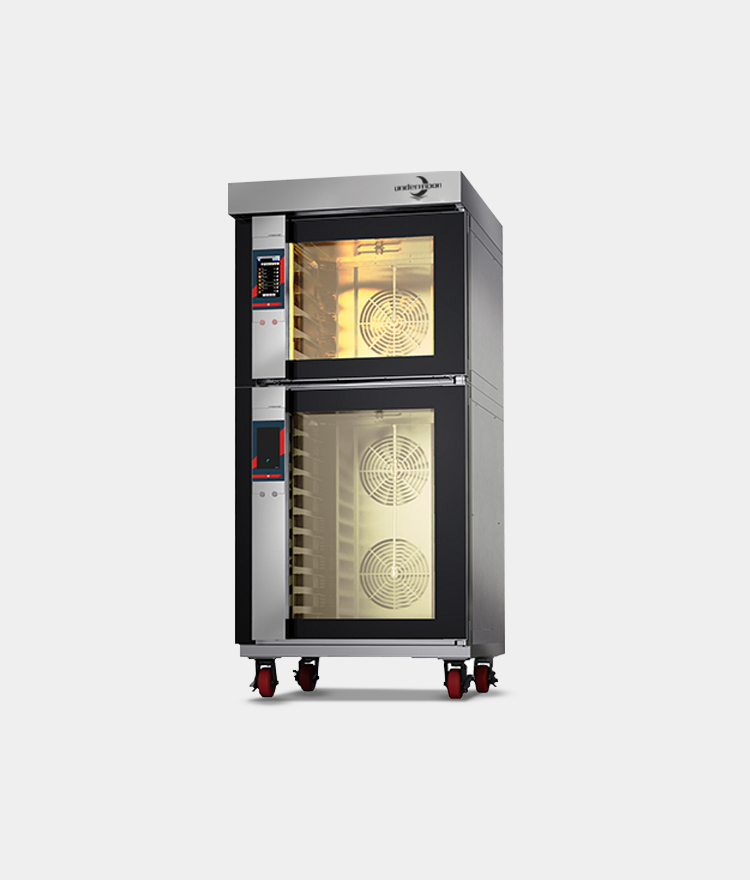
Because their mechanical systems are easier and their heat conditions are more static, single-deck commercial bread baking ovens usually use less energy than convection ovens of the same size. Convection types need fan motors and heating grids that are more complicated, which means they use more power overall. But convection stoves usually bake faster, which could make up for the difference in energy use by cutting down on run times. The best choice relies on the type of product. Static heat works best for hearth breads and delicate desserts, while convection heat is best for making a lot of cookies and rolls.
What maintenance schedule ensures optimal performance?
Preventive upkeep includes cleaning every day and checking the door seals once a week. Verification of the temperature calibration every month finds precision loss early. Professional inspections should be done every three months to check the state of the heating elements, the electrical connections, and the insulation. Parts are tested, and worn-out items are replaced as part of an annual thorough service. This tiered method strikes a balance between the cost of upkeep and the length of time that the equipment lasts. It usually keeps the equipment working for longer than ten years while keeping its energy efficiency.
Partner with undermoon for Your Commercial Baking Equipment Needs
Undermoon has been making professional single-deck commercial bread baking ovens for 20 years and has helped bakeries, restaurant groups, and food processing businesses by providing them with reliable, energy-efficient equipment. Our solutions are built with strong materials and tested thermal engineering to give businesses the performance and longevity they need. As an experienced maker that offers full OEM and ODM customization services, we can make sure that the specifications of your equipment—including its voltage, capacity, control systems, and panel layouts—meet the exact needs of your business and the regulations in your area.
Our production sites follow strict quality control procedures that keep failure rates below 0.3%. Our expert team is also available to help with choosing equipment, setting it up, and running it afterward. We provide reasonable pricing, flexible design, and dependable export operations, whether you're a kitchen equipment dealer looking for a dependable single-deck commercial bread baking oven provider or a bakery chain planning multi-location deployments. Email our team at undermooncn@gmail.com to talk about your unique needs and find out how our industrial baking solutions can help you run your business more efficiently and make better products.
References
1. Smith, J. & Anderson, M. (2021). Commercial Baking Equipment: Technology and Applications. Culinary Institute Press.
2. Thompson, R. (2022). "Energy Efficiency Standards in Commercial Kitchen Equipment." Journal of Foodservice Technology, 18(3), 145-162.
3. Williams, D. (2020). Professional Bread Baking: Equipment and Techniques. Artisan Publishing Group.
4. National Restaurant Association (2023). Commercial Kitchen Equipment Procurement Guide. NRA Educational Foundation.
5. European Committee for Standardization (2022). "Thermal Performance of Commercial Ovens: Testing and Certification." CEN Technical Report 19847.
6. Garcia, L. & Chen, W. (2023). "Comparative Analysis of Single Deck and Multi-Deck Oven Efficiency in Commercial Bakeries." International Journal of Food Production Engineering, 7(2), 89-104.
Online Message