Oct 30, 2026
Energy Saving Multifunctional Baking Oven Buying Guide for Beginners
Whether you are launching a new bakery or replacing old equipment, selecting the appropriate energy saving multifunctional baking oven is one of the biggest decisions you will make. This book covers everything a first-time buyer needs to know about the energy-saving multifunctional bake oven, from basic technology and critical specifications to practical cost comparisons and daily maintenance. So whether you own a bakery in your neighborhood, a café, or a catering enterprise, the purpose here is simple: helping you spend smarter and make better.send inquiry.
Understanding Energy-Saving Multifunctional Baking Ovens
Before comparing models, it helps to understand what separates a true energy-efficient commercial oven from a standard one.
What Makes an Oven "Energy Saving"
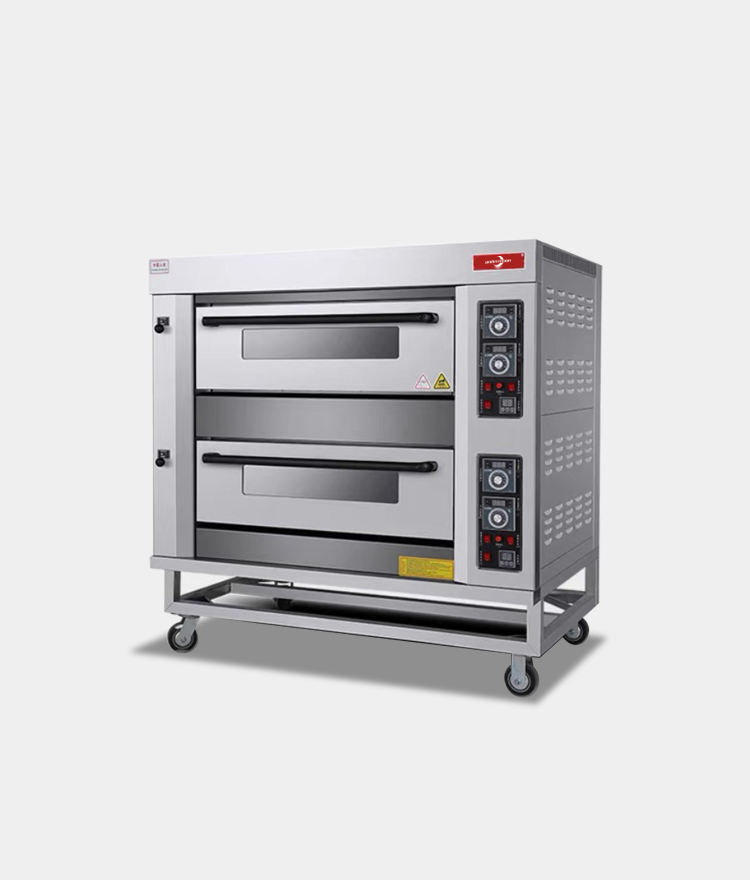
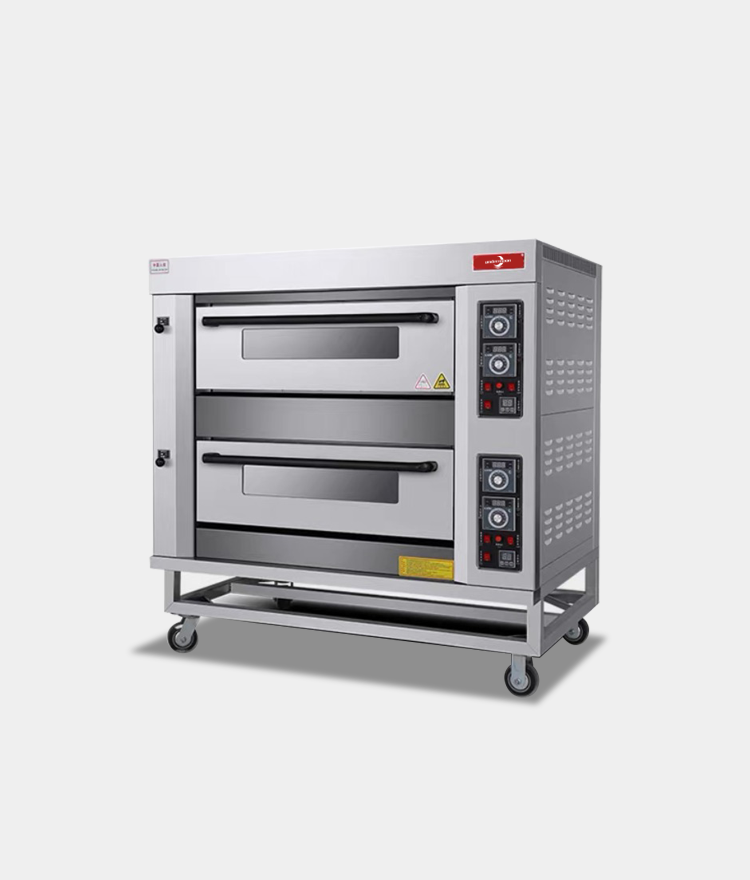
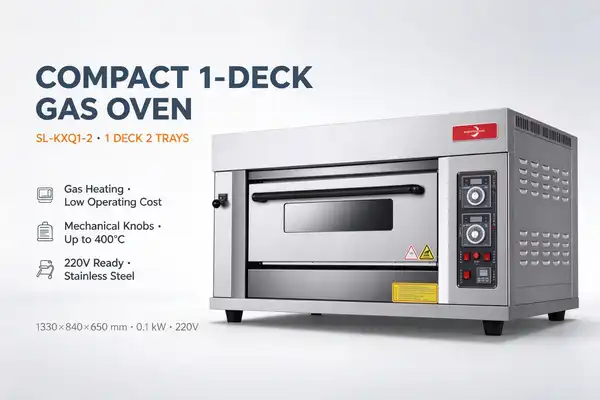
An energy-saving commercial oven uses high-density insulation to trap heat inside the chamber, cutting thermal loss significantly. The SL-KXQ1-2 model, for example, features a thick insulation layer that reduces heat loss by up to 35%. That means the burner works less often to maintain your target temperature, directly lowering your gas bill.
What "Multifunctional" Actually Means
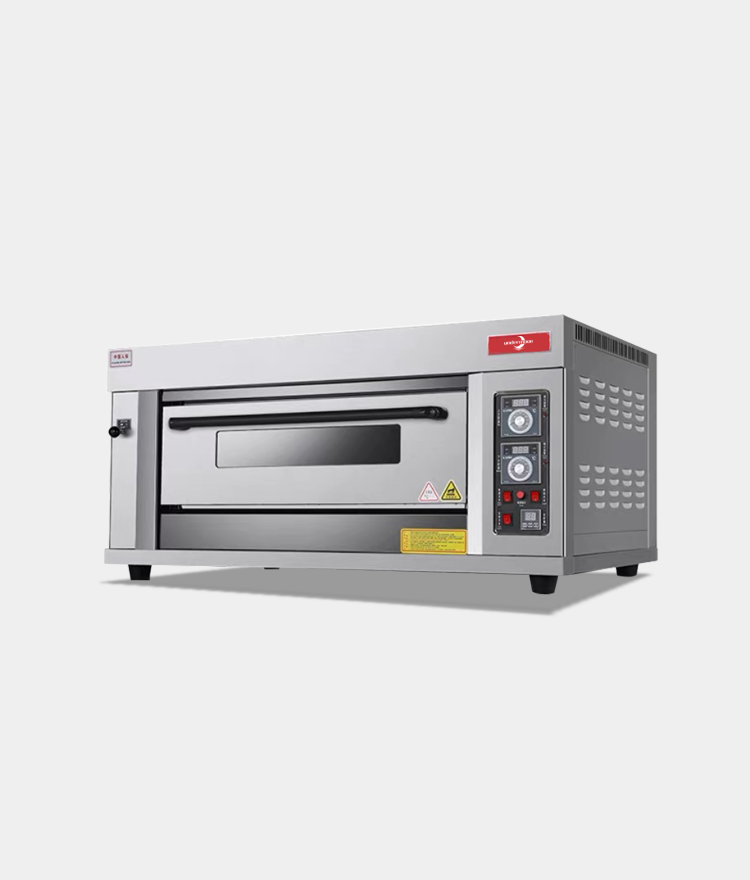
Multifunctional doesn't mean complicated. In a 1-deck 2-tray gas deck oven, it means you can bake bread, roast meats, bake pastries, and finish pizzas — all in one unit — across a temperature range of ambient to 400℃. That wide range lets you handle everything from slow proofing to high-heat finishing without switching machines.
Why Gas Heating Matters for Small Businesses
Gas heating reaches target temperatures faster than standard electric coil systems and costs less per BTU in most regions. For small to medium bakeries producing 50–200 items daily, this speed advantage directly affects throughput, especially during morning rush hours when every minute counts.
Key Features and Performance Metrics to Consider
There are some oven specs on a product page that don't tell you everything you need to know. Before you sign a purchase order, you should look at these metrics.
Temperature Accuracy and Stability
Look for energy saving multifunctional baking ovens with temperature monitors that are accurate to within ±2°C. This standard is met by the SL-KXQ1-2, which is important when baking delicate pastries like croissants that need exact lamination temperatures or artisan bread that needs stable crust development during the bake cycle.
Control System Simplicity
For small bakeries with only one to three employees, mechanical knob controls are more reliable and easier to train on than digital touchscreens. It doesn't need software changes, the touch panel doesn't break, and new employees don't have to learn anything. A simple temperature and timer knob does the job without adding too much complexity.
Power and Installation Requirements
The SL-KXQ1-2 only needs 0.1 kW of electricity to work; gas heats the room. So, all you need for the control system is a regular 220V outlet. You avoid having to pay a lot of money to upgrade the electrical panels, which is great for businesses that rent out commercial spaces that weren't made for heavy kitchen equipment.
Comparing Energy-Saving Multifunctional Baking Ovens to Conventional Alternatives
Moving from an older electric oven to a gas deck oven isn't just a matter of taste; it's also a matter of numbers.
Energy Cost: Gas vs. Electric
The U.S. Energy Information Administration says that in most states, industrial natural gas costs about 40–60% less per unit of heat energy than electricity. When an oven is used for 8–10 hours a day, that gap grows very quickly for a bakery. When operators move from old electric ovens to gas deck ovens, they usually get their money back in two to three years just from saving money on utilities.
Total Cost of Ownership (TCO)
Price alone doesn’t give the complete picture. The true five-year cost of ownership of a commercial oven is determined by:
- Purchase price – 1-deck 2-tray gas deck ovens are often price comparable with entry-level electric convection ovens of the same capacity, with cheaper running expenses.
- Energy use: The SL-KXQ1-2 uses 0.1 kW of electricity and gas for heat; thus, daily operating expenses are predictable and lower than all-electric options that use 3-6 kW.
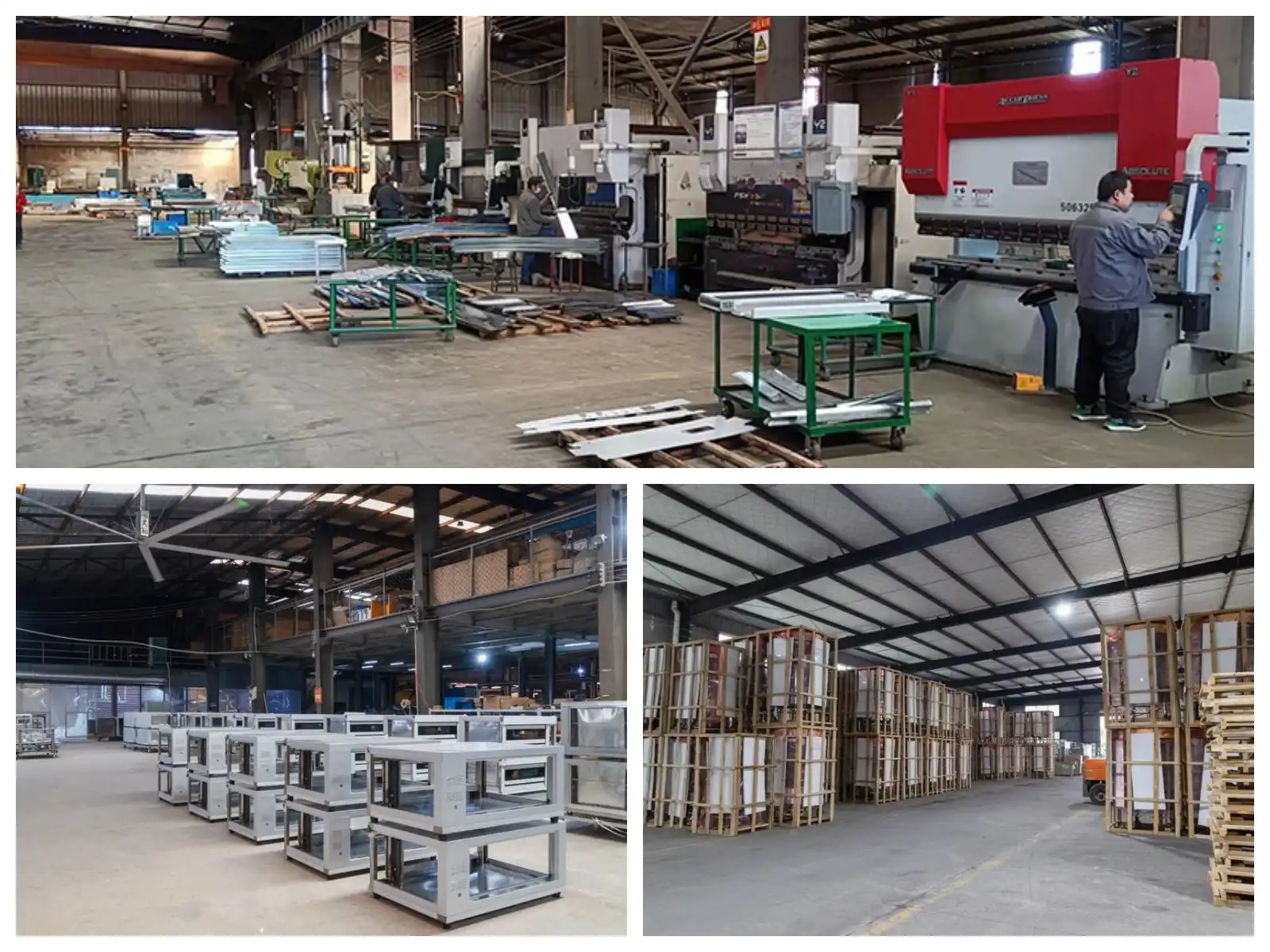
- Maintenance frequency: Because of the corrosion-resistant surfaces and stainless steel structure, there is less need to repair parts. Each unit undergoes pressure testing on the gas system and is cycled repeatedly on safety devices before it leaves the plant.
- Cost of downtime: Fewer breakdowns means fewer lost production hours. If you can keep your goal failure rate at 0.3%, your baking schedule will be on time.
Operational Flexibility
With a regular energy saving multifunctional baking oven that only does one thing, you'll have to buy more tools as your menu changes. The SL-KXQ1-2 can handle all of those temperatures and still bake bread, pastries, pizza, roasted foods, and tarts.
How to Choose the Right Commercial Gas Oven for Your Business
Match Capacity to Daily Output
If your bakery makes between 50 and 200 baked goods a day, a 1-deck 2-tray setup will work for you without costing you extra for extra space that isn't being used. Every cycle, gas is wasted by equipment that is too big. The small size of this unit—1330 × 840 × 650 mm—makes it easy to fit into most standard commercial kitchen layouts.
Verify Installation Compatibility
Make sure that the area you want to use has both a 220V electrical outlet and a gas supply line that works. The SL-KXQ1-2 can be set up to use either natural gas or LPG, and the manufacturer lets you change the gas type to work with your local supply system. If you need paperwork for your gas utility company during the connection process, ask the seller for it before you buy. A good maker will gladly give you interface papers.
Evaluate After-Sales Support
For business equipment, it's normal to have a warranty that lasts at least a year. But what really matters is whether the supplier offers good technical support. Before making a decision, find out how quickly an expert can get to you. Do you have replacement parts on hand? Does the maker give instructions on how to install? These questions are much better at protecting your money than the lowest price.
Practical Usage and Maintenance Tips for Optimal Efficiency
Set Correct Preheat Times
Before putting trays in the oven, let it heat up to its full temperature. A 15–20 minute heat-up is enough for most bread and pastry work. When you load a cold oven, the bake time goes up, and gas is wasted because the burner has to make up for the drop in temperature when the door is opened.
Clean the Chamber Weekly
The burner has to run longer because the buildup of grease on the inside surfaces stops heat from moving. Once a week, use a wet cloth and mild soap to clean the room walls and tray supports. This is easy to do because the inside of the SL-KXQ1-2 is made of stainless steel. No special chemicals are needed.
Inspect Gas Connections Monthly
Every month, use a soap solution to check all gas line joints for leaks. If you see any popping, it means that the joint needs to be tightened or replaced. Doing this is a basic safety measure that also protects efficiency, since even a small leak makes the kitchen unsafe and raises operating costs.
Conclusion
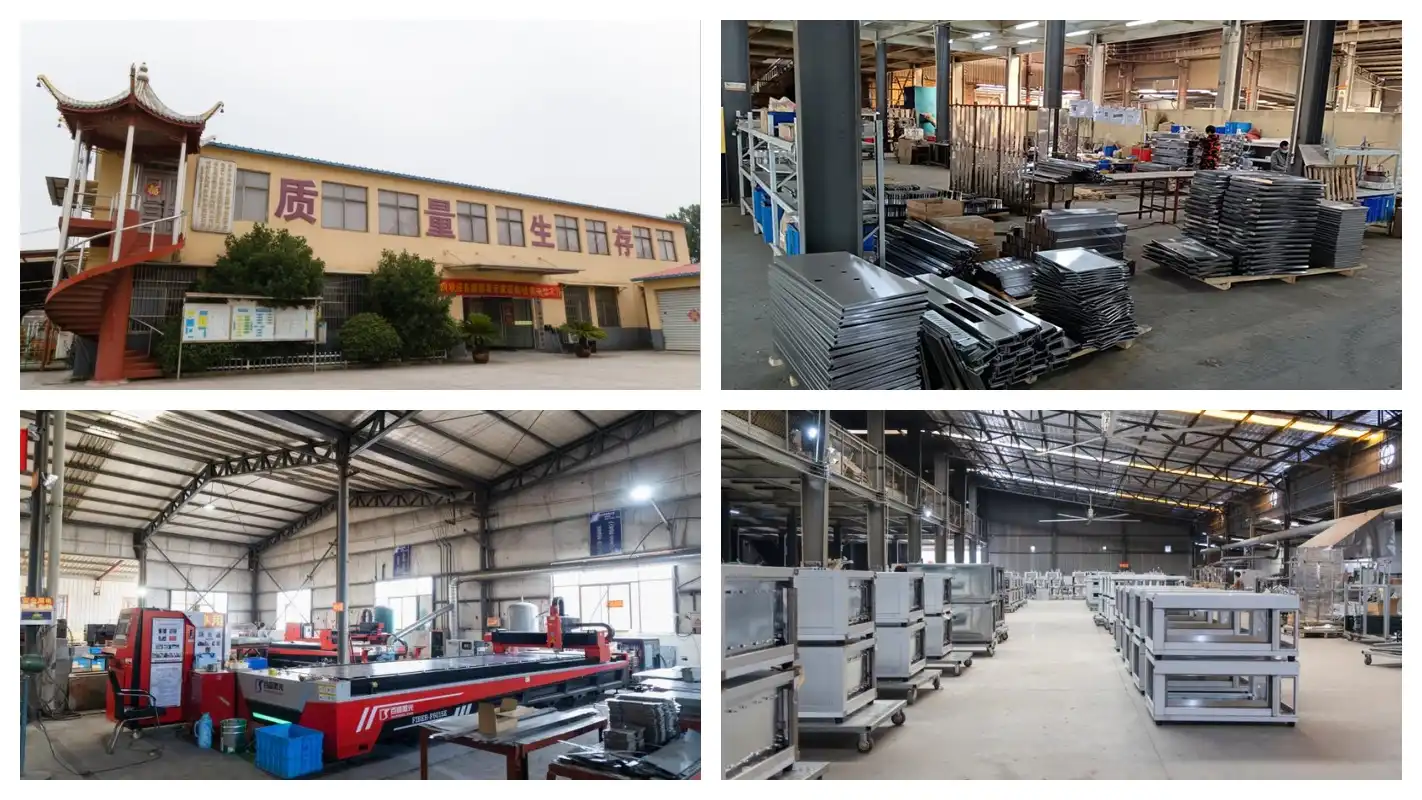
Buying your first energy saving multifunctional baking oven doesn’t have to be tricky. When you consider the energy use, the temperature accuracy, how simple it is to install, and the level of service you get after the sale, the appropriate decision is obvious. Undermoon’s SL-KXQ1-2 ticks all four boxes, due to a design aimed at small and medium-sized organizations that require reliable day-to-day performance, without the high operating expenses. You’re not taking a risk on a product that hasn’t been tested before, since every single unit is created by individuals with 20 years of expertise. The tools you purchase are a sound investment and will pay for themselves.
FAQ
1. What is the daily production capacity of a 1-deck 2-tray gas oven?
Depending on the type of product and the length of the bake cycle, the SL-KXQ1-2, which has one deck and two trays, can handle about 200 to 300 baked items per day. This works well for most small to medium-sized bakeries.
2. How much can I save on energy by switching from electric to gas?
Most business owners say their energy costs are 30–40% lower now that they use gas deck ovens instead of old electric ovens. The exact number depends on how much utilities cost in the area and how long they're open each day.
3. Does this oven require specialized staff training?
No, the mechanical knob control system is meant to be easy to use. Most bakers learn how to use the tools in their first shift, without any official training.
4. Can the gas type be customized for my region?
Yes. The SL-KXQ1-2 can be customized to work with natural gas, LPG, and different types of gas in different areas. Make sure the seller knows what kind of supply you have in your area before you order so that the unit is set up properly.
5. What certifications should I look for when buying a commercial oven?
For the U.S. market, look for CE approval and safety standards that are met. Before you buy something, make sure the seller gives you proof, especially if you need a business kitchen permit.
Partner with Undermoon for Your Next Commercial Oven Purchase
Every unit that Undermoon makes is based on 20 years of experience making commercial ovens. Model SL-KXQ1-2, our energy-saving multifunctional baking oven, is the best choice for small and medium-sized businesses that want low running costs and reliable daily performance. As a skilled company that makes energy-saving, multifunctional baking energy saving multifunctional baking ovens, we offer OEM/ODM customization, flexible gas setups, and shipping all over the world. To get a quote or talk about your specific needs, go to email us at undermooncn@gmail.com.
References
1. U.S. Energy Information Administration. Commercial Buildings Energy Consumption Survey (CBECS). 2018.
2. American Society of Heating, Refrigerating and Air-Conditioning Engineers (ASHRAE). Energy Standard for Buildings Except Low-Rise Residential Buildings (ASHRAE 90.1). 2019.
3. Food Equipment Manufacturers Association (FEMA). Commercial Cooking Equipment Energy Efficiency: A Guide for Food Service Operators. 2020.
4. National Restaurant Association. Restaurant Industry Operations Report. 2022.
5. U.S. Department of Energy, Office of Energy Efficiency & Renewable Energy. Commercial Food Service Equipment: Opportunities for Energy Savings. 2021.
6. Foodservice Equipment & Supplies Magazine. Buyers' Guide to Commercial Deck Ovens and Gas Baking Equipment. 2023.
Online Message