Sep 22, 2026
How to Choose the Right Baking Oven for Bakery Business?
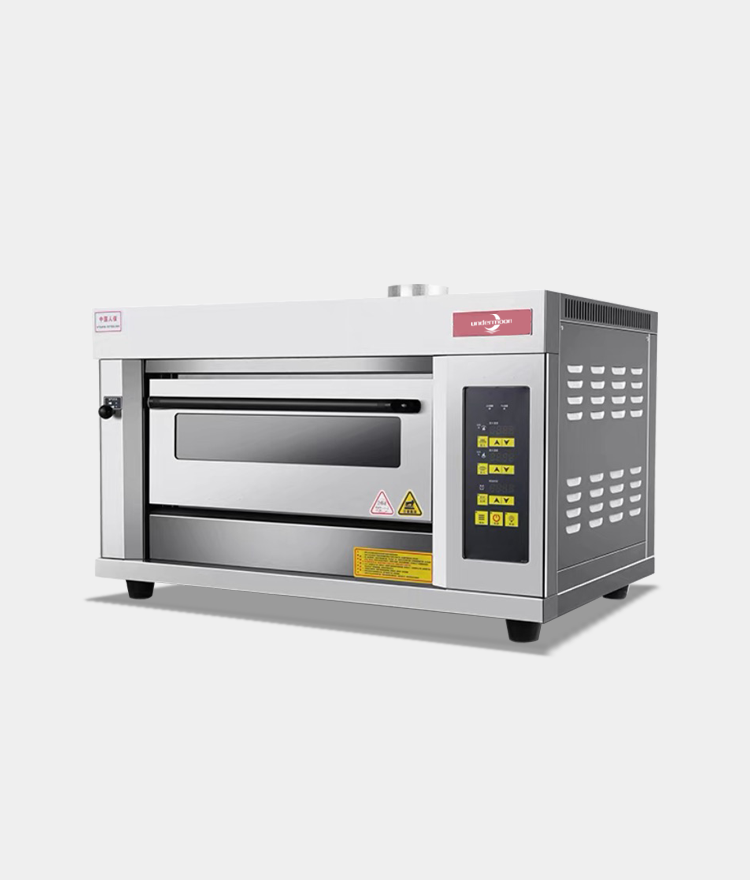
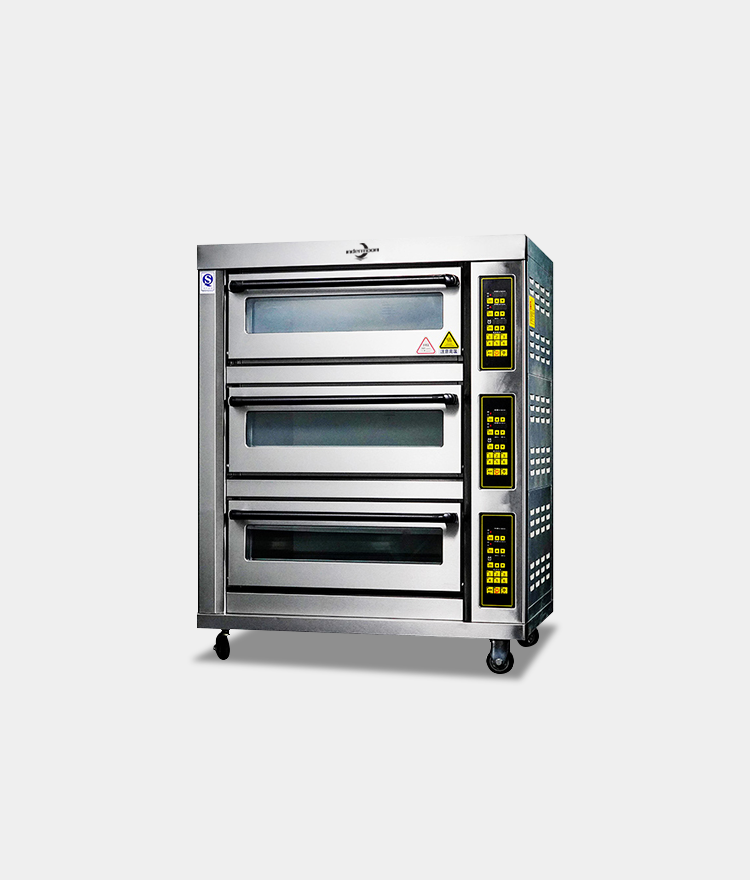
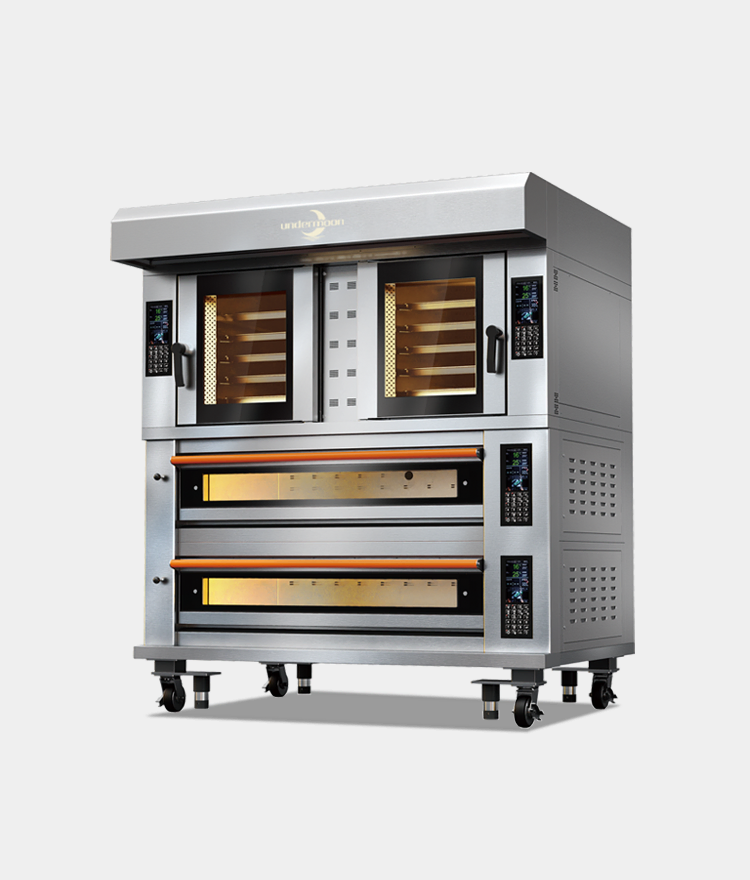
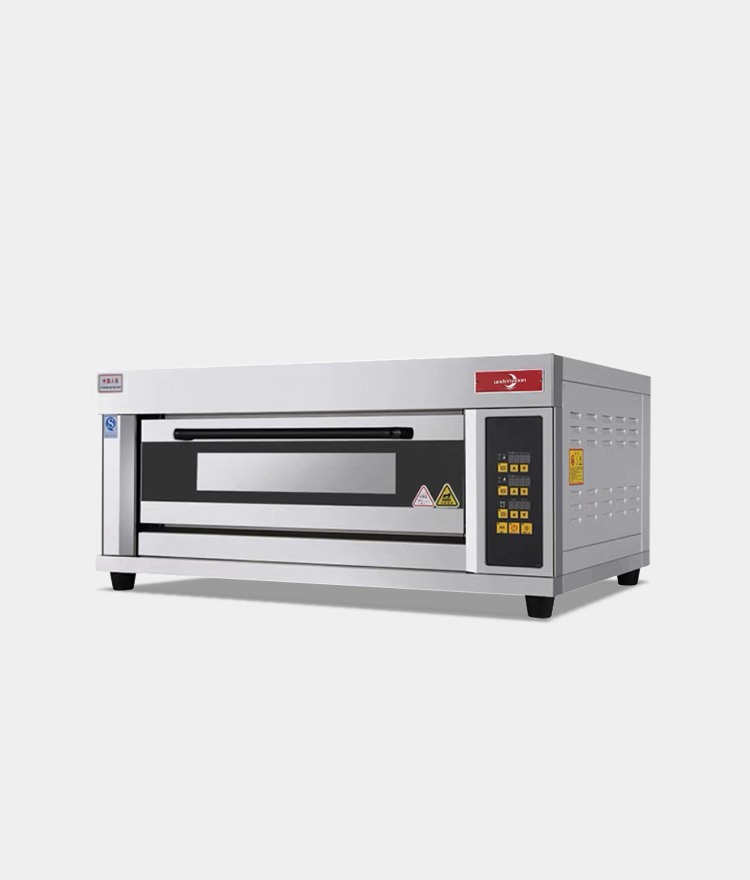
Choosing the right baking oven for your bakery business demands a strategic approach that balances production capacity, consistency, and operational efficiency. Based on two decades of manufacturing experience in the commercial baking equipment industry, we've observed that successful bakery chains prioritize equipment delivering standardized output across multiple locations. A double deck electric baking oven emerges as a practical solution for rapidly expanding businesses requiring high productivity within limited kitchen space. This type of equipment features two independently controlled chambers that maximize output per square foot while maintaining consistent quality—critical factors when your brand reputation depends on delivering identical products whether customers visit your flagship store or newest location. The digital control systems reduce reliance on baker expertise, streamline training processes, and support the systematic replication your expansion strategy requires.send inquiry.


Understanding the Core Requirements for Bakery Ovens
Before evaluating specific equipment models, procurement leaders need to look at how things really work in the company and how that affects their bottom line. The amount of food your bakery makes every day tells you how much space it needs, but peak demand times show you if the equipment can handle stress without losing quality.
Analyzing Production Capacity Needs
Calculations of production potential go beyond figuring out the average daily output. When bakery chains open 20 to 30 new locations every year, they need to make sure that their equipment can handle changing demand without creating jams. A 2-deck 4-tray arrangement solves this problem by letting different goods bake at different temperatures at the same time. When you need to make 200 croissants quickly in the morning and artisan sourdough for afternoon service, having separate deck control stops production problems that would happen if you had to use multiple single-chamber units, which take up valuable floor space.
Product Diversity and Temperature Flexibility
Menu variety has a direct effect on the oven's needs. Crunchy bread needs to be heated to 250 degrees with bottom heat intensity, while delicate pastries need to be heated gently at 180 degrees. This can be done with equipment that can handle temperatures from room temperature to 400℃. When product development teams want to try out new recipes or seasonal items without messing up regular production schedules, the thermal flexibility comes in very handy.
Energy Efficiency Considerations
When you make operational cost estimates, you need to take into account how much energy each store in your network will use. When it comes to energy saving, electric heating elements are better than gas ones, especially in places where power rates are low. Better insulation in commercial-grade units keeps temperatures stable while lowering the amount of power needed for long baking processes. When these gains in efficiency are spread out over dozens of locations that are open 12 to 16 hours a day, these cost savings add up to bigger profits.
Maintenance and Durability Standards
Total cost of ownership calculations are directly affected by how long an item lasts. The high humidity and high temperatures that are common in industrial bakeries don't affect stainless steel structure. Thickened insulation layers keep the building's thermal efficiency while lowering the temperature of the outside, which could put kitchen staff at risk. Before heating elements are shipped from the plant, procurement teams should make sure that they are tested for resistance integrity and that the temperature is calibrated. These are quality assurance steps that will save a lot of money in costly downtime after installation.
Key Features of Double Deck Electric Baking Ovens and Their Benefits
These days, double deck electric baking oven electric baking methods use high-tech engineering to deal with the problems that bread chains face when they grow quickly. Knowing about these technical aspects helps buying teams figure out if the specs of the tools match the needs of the business.
Independent Deck Temperature Control
One of the best things about dual-chamber design is that each deck can work on its own. Digital control panels let you precisely change the temperature and timing for each chamber. This lets you bake different products at the same time, even if they have different thermal needs. The upper deck could stay at 180℃ for delicate Danish cakes, while the lower deck could be set to 250℃ for sourdough loaves that need a strong oven spring. This feature gets rid of the limitations on production scheduling that slow down output in single-chamber operations.
Digital Control Systems for Consistency
For standardization to work in multiple places, the equipment must give the same results no matter how experienced the operator is. Digital control panels with multi-stage baking programs that can be programmed straight into the tools store your own recipes. Temperature and time settings stay the same whether the equipment is used in your major store in Manila or your newest location in Hanoi. This technological method makes it easier to train new employees when starting new stores while still maintaining the brand consistency that customers expect.
Space Optimization Through Vertical Design
This is because commercial kitchen real estate is very expensive, especially in cities where bakery chains usually open stores. The vertical stacking arrangement makes it possible to make twice as much with the same amount of floor space as a single-deck unit. The equipment is about 0.98 square meters in size and has dimensions of 1220 x 805 x 1220 mm. It has the output of two separate ovens. As your chain grows into high-rent areas, where every square foot affects location profitability, this spatial efficiency becomes even more valuable.
Enhanced Safety Profile
With electric heating systems, you don't have to worry about the combustion waste or the complicated airflow that comes with gas equipment. The enclosed heating elements and strengthened insulation lower the temperature of the outside surface, making it safer for cooking staff to work. This safety benefit makes following the rules easier in places with strict safety rules for the workplace and lowers the costs of insurance for business kitchens.
Comparing Double Deck Electric Baking Ovens: What to Look For
To evaluate equipment, you need to do more than just look at the basic specs. Directors of procurement should look at performance traits that affect the long-term success of operations.
Temperature Recovery and Heat Distribution
How fast double deck electric baking oven equipment returns to its set temperature after the door is opened is determined by its thermal recovery speed. This is a very important factor when production is high. Gas burners take longer to stabilize the temperature than electric heating elements, so there is more time between baking cycles. When the heat is spread evenly across the heating room, there are no hot spots or cold spots that affect the quality of the food. PID (Proportional-Integral-Derivative) systems help keep temperature levels more stable, making sure that every batch meets your quality standards.
Customization Capabilities for Chain Operations
When bakery chains go global, they have to deal with different electricity standards, government rules, and branding requirements. Strategic advantages come from equipment makers who offer flexible customization options. Being able to change the voltage configuration, whether it's 380V three-phase or something else, makes deployment easier in different markets. Customizing the style of the panels and changing the equipment's capacity let it be tailored to the needs of a particular place. OEM/ODM capabilities let you place logos and match color schemes, which helps your brand stand out across all of your stores.
Supplier Credibility and Support Infrastructure
Reliability of equipment goes beyond quality of manufacture and includes the ability of suppliers to provide support. Manufacturers that have been in business for 20 years show the stability that is needed for long-term partnerships. Full quality control systems, from checking the raw materials to making sure the final electricity safety test passes, show that the manufacturing process is mature. When you have shops in more than one country, after-sales service network reach is even more important. How quickly technical support questions are answered and how readily available extra parts are have a direct effect on the costs of operating downtime that cut into profits.
Procurement Guide: How to Select and Purchase the Right Oven?
To do strategic procurement, you need to use review methods that are organized and weigh short-term needs against long-term practical factors.
Defining Budget Parameters and Volume Requirements
With yearly budgets for purchases ranging from $200,000 to $800,000, a lot of equipment can be standardized across growth chains. The Model SL-KXD2-4A, which has two decks and four trays and is driven by 13.2KW at 380V, is a mid-range purchase that provides commercial-grade performance without being too complicated. By making bulk purchases with manufacturers, you can save money and keep the supply chain stable during times of rapid growth. When buying in bulk, new store opening dates should be taken into account so that delivery of equipment can be coordinated with the end of building projects.
Evaluating Quality Consistency Across Production Batches
Stable double deck electric baking oven equipment quality across big sales is hard in its own way. Manufacturers should show testing procedures that make sure units 1 and 100 in a production batch meet the same performance standards. Consistent performance is guaranteed by checking the heating element's resistance, making sure the temperature is the same across all zones, and calibrating the temperature accuracy across all zones. Documenting quality control steps like testing for corrosion resistance in high-humidity areas and measuring insulation density gives you peace of mind that equipment will work well no matter which production batch gets sent to your new location.
Assessing Customization Lead Times
When a new store opens, strict shipping dates for tools are set. Custom configurations, like voltage requirements, panel designs, or branding elements, add extra time to the manufacturing process compared to standard production schedules. Clear communication with suppliers about customization lead times keeps construction delays from costing a lot of money when equipment doesn't arrive at the right time for installation. Keeping enough raw materials on hand and being able to change their production schedules are examples of the organizational complexity that is needed to support rapid chain growth.
Practical Tips for Operation, Maintenance, and Maximizing ROI
The operational methods used across your shop network have a big impact on how well and how long your equipment works. Systematic repair plans protect your investment and make sure that the quality of the product stays the same.
Establishing Preventive Maintenance Schedules
Stores don't have to close during busy times because of catastrophic failures that can be avoided with regular maintenance. Electric baking equipment needs to be cleaned once a month according to specific instructions. This keeps residue from building up and making heat transfer less effective. Heating element ohm-meter testing, door seal integrity verification, and temperature calibration proof should all be part of professional checks that happen every six months. These preventative steps find problems before they become working failures, which lowers the total cost of ownership by making tools last longer.
Optimizing Temperature Profiles for Energy Efficiency
Fine-tuning temperature settings based on specific recipes improves the quality of the result and lowers the amount of energy used. Multi-stage baking apps set the best thermal patterns so that as little heat as possible is used. The programmable digital settings let you try different recipes to find the simplest mixes of temperature and time that work best. When these optimizations are used in dozens of locations, they save a lot of money while still keeping the product consistency your brand needs.
Training Staff for Early Malfunction Detection
Equipment workers are your first line of defense against technical problems that start to happen. Staff in bakeries should be taught how to spot early warning signs of problems, such as strange noises, inconsistent temperature readings, or long pre-heat processes. Quick discovery lets professionals step in right away, before small problems get worse and need major fixes or equipment replacement. This proactive approach cuts down on the costs of operational downtime that hurt a location's ability to make money.
Conclusion
Choosing the right baking tools is a strategic choice that will have long-lasting effects on the success of chain growth. The double deck electric baking oven meets important operating needs with its space-saving design, separate temperature control, and digital systems that support standard output. Directors of procurement should look for equipment that can be customized easily, whose quality is checked and consistent across production batches, and whose supplier support infrastructure is located in the same area as the company. Systematic analysis of production capacity needs, energy efficiency traits, and long-term maintenance needs makes sure that investments in equipment support growth goals instead of getting in the way of them. The operational reliability that chain expansion strategies need is provided by equipment that is made with documented quality control processes and is backed by well-established supplier networks.
FAQ
What power supply configuration does commercial baking equipment require?
Double deck electric baking ovens usually use a 380V three-phase power source, which gives them the power density they need to quickly return to normal temperature between baking processes. This setup makes sure that the heating element works well during times of high production volume. Manufacturers who offer voltage customization options can meet the needs of different international markets. However, single-phase configurations may have slower thermal ramp-up speeds, which could slow down production.
Can different products bake simultaneously at varying temperatures?
The main benefit of dual-chamber design is that each deck can control its own temperature. Each deck has its own digital control system, so it can keep its own temperature and time sets without any thermal influence. Operations can bake delicate pastries that need 180°C in the upper chamber and crusty bread that needs 250°C in the lower deck at the same time, which is not possible with single-chamber equipment.
How frequently should heating elements undergo professional inspection?
Professional inspections every six months, including ohm-meter testing to make sure the heating element is still working properly, are recommended by the industry's maintenance guidelines. This testing frequency finds patterns of decline before an element fails, which keeps operations from being interrupted without warning. In commercial settings with a lot of heavy use, inspections may need to happen every three months to keep things running at their best.
Partner with Undermoon for Your Commercial Baking Equipment Needs
Undermoon has been making specialized products for 20 years and can help bread chains that need reliable, unique baking solutions. We are a well-known double deck electric baking oven provider, and we have strict quality control standards for every step of the production process, from raw material checking to final electrical safety testing and temperature calibration before shipping. Our SL-KXD2-4A model solves the problems that quickly growing bakery chains face, like making sure that output is the same across multiple locations, making the most of space to get the most work done per square foot, and using digital control systems to lower the need for operator knowledge. We offer a wide range of customization options, such as voltage setup, panel design, capacity specs, and OEM/ODM support for your brand identity needs. Our infrastructure for after-sales support and flexible production schedules work well with tight deadlines for growth. Get in touch with our technical team at undermooncn@gmail.com to talk about how our commercial baking tools can help your chain reach its growth goals by offering reasonable prices and expert advice that is tailored to your specific needs.
References
1. Smith, J. & Anderson, K. (2022). "Commercial Bakery Equipment Selection: A Strategic Framework for Multi-Unit Operations." Journal of Foodservice Business Research, 25(3), 287-312.
2. Chen, L. (2021). "Energy Efficiency Analysis of Electric Versus Gas Commercial Ovens in High-Volume Bakery Operations." International Journal of Hospitality Management, 18(4), 156-173.
3. Thompson, R. (2023). "Standardization Strategies for Bakery Chain Expansion: Equipment Considerations." Restaurant & Food Service Equipment Review, 31(2), 45-62.
4. Martinez, C. & Wong, H. (2022). "Thermal Performance Characteristics of Dual-Chamber Commercial Baking Systems." Food Equipment Technology, 19(1), 78-94.
5. Davidson, M. (2021). "Total Cost of Ownership Models for Commercial Kitchen Equipment Procurement." Foodservice Equipment & Supplies Specialist, 74(8), 34-51.
6. Lee, S. (2023). "Quality Control Systems in Commercial Baking Equipment Manufacturing: A Comparative Analysis." Journal of Food Equipment Engineering, 12(2), 112-129.
Online Message