Nov 3, 2026
3 Deck Heavy Duty Baking Oven Buying Guide for Businesses
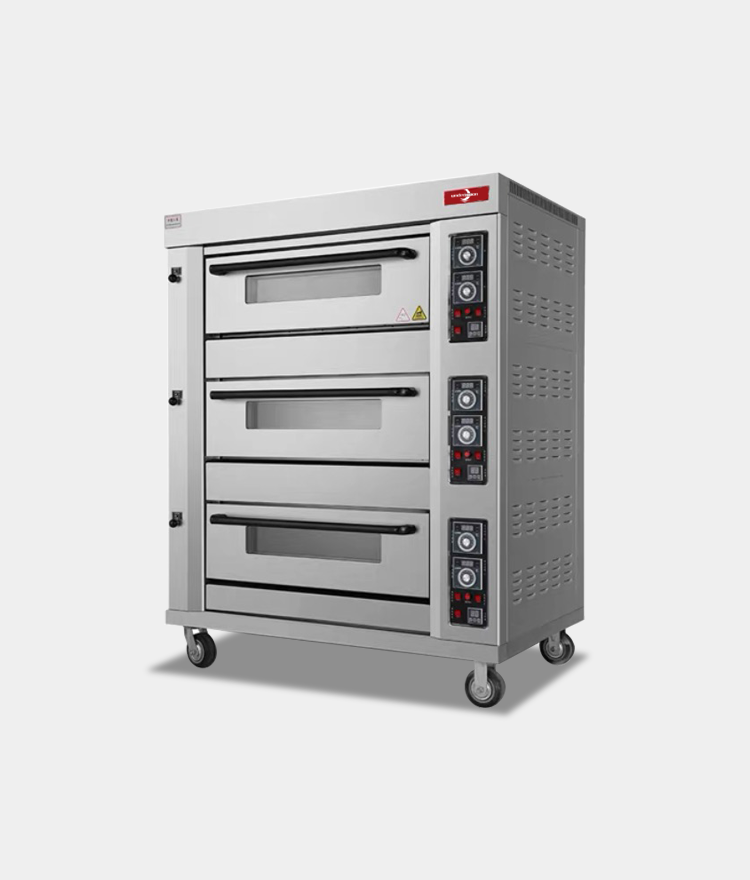
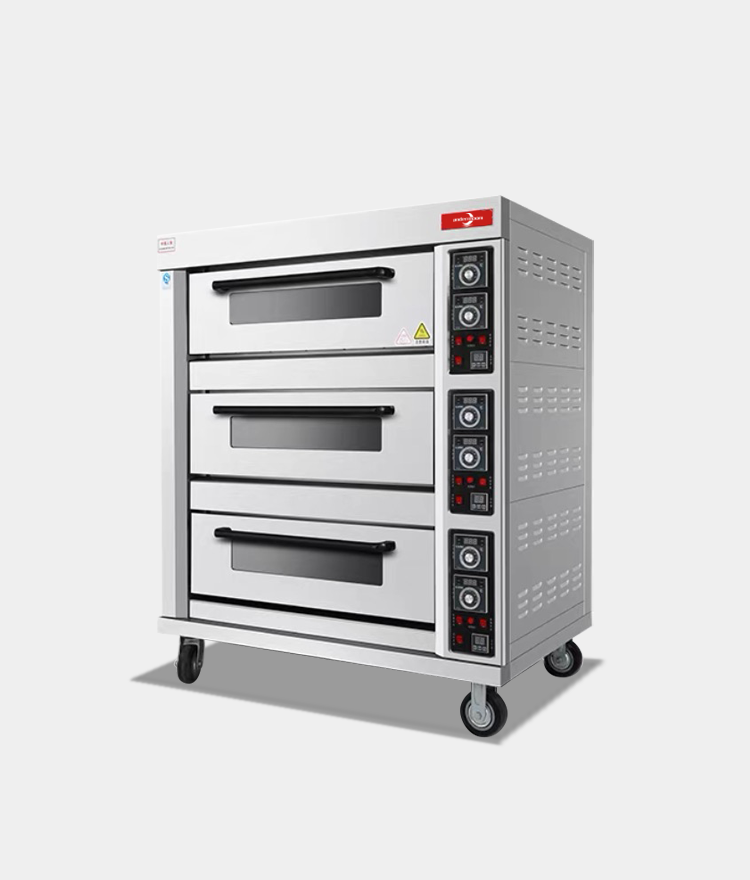
Selecting a commercial 3 Deck Heavy Duty Baking Oven is one of the most important equipment choices a bakery owner will make. A heavy-duty baking oven with 3 decks provides you with three independently regulated baking chambers, six trays of simultaneous capacity, and the structural stability to work 12-18 hours a day without performance reduction. Whether you’re baking at scale or just making pita, artisan loaves, or pastries, this guide will show you what to search for, how to assess possibilities, and how to purchase with confidence.send inquiry.
Understanding 3 Deck Heavy Duty Baking Ovens: Features and Benefits
Before you get quotes or compare prices, it's helpful to know what makes a heavy-duty deck oven different from a regular industrial unit.
What Makes It "Heavy Duty"
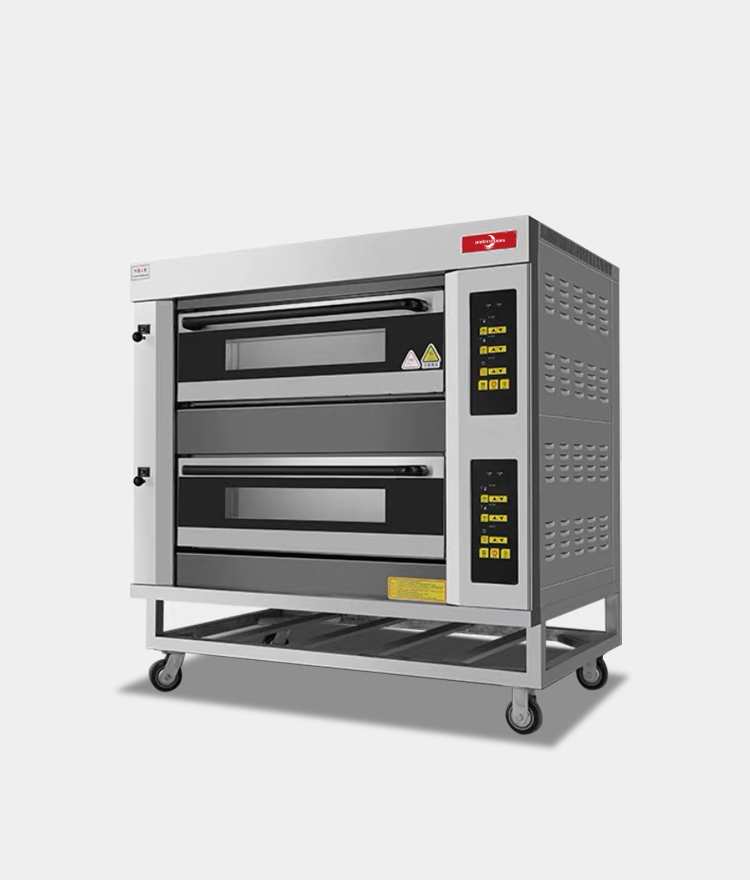
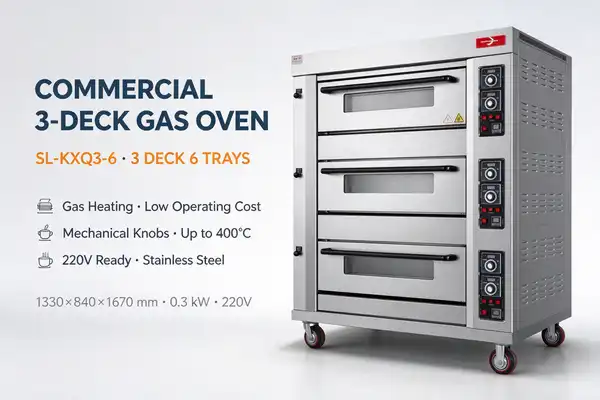
The “heavy duty” marking signifies that the chassis is composed of more rugged materials, the insulating walls are thicker, and the heating elements are designed to operate continually. Commercial ovens are typically built for everyday usage. Heavy-duty models are for work areas and major bakeries with more than one shift. For instance, the SL-KXQ3-6 is constructed of food-grade stainless steel and has thicker insulation. This preserves the heat in each chamber and reduces fuel wastage during extended manufacturing cycles.
Independent Deck Control
Each of the three decks functions independently. One deck can proof the bread at 40–60°C, another can bake the bread at 220°C, and a third may complete the color at 350°C. This independence reduces the time needed for rest between batches, and raises productivity per shift in high-volume manufacturing.
Gas Heating Efficiency
The SL-KXQ3-6 is a 0.88 kg/h gas-powered unit. “It means huge savings for every 1,000 units produced in places like the Middle East, North Africa and Southeast Asia where LPG is much cheaper than grid electricity.” Controls are simple; you only need a 220V connection for the oven, thus no extra electrical equipment is needed to set it up.
Comparing Deck Ovens with Alternative Baking Solutions
Not every oven type suits every bakery. Here is how deck ovens stack up against the alternatives that procurement teams most often consider.
Deck Ovens vs. Convection Ovens
Convection ovens employ forced air circulation to speed up the baking process. That works OK for cookies and light pastries, but causes surface drying that damages artisan breads and pita. 3 Deck Heavy Duty Baking Ovens mainly transmit heat via the deck surface plus radiant top heat to provide the crust structure and interior moisture needed in large-volume flatbread and loaf production. Deck ovens consistently provide better product quality than convection ovens for enterprises manufacturing 2,000–5,000 items a day.
Gas vs. Electric Deck Ovens
Electric deck ovens enable closer digital accuracy, but when grid power is costly or unpredictable, operating expenses are much greater. Gas-powered deck ovens heat up quicker from cold and provide steady temperatures at a cheaper cost per hour. The SL-KXQ3-6 reaches up to 400°C from ambient, spanning the complete spectrum from proofing to high-temperature coloring, without the electrical infrastructure needs of a 3-phase electric machine.
Evaluating Brands and After-Sales Support
A few established producers serve the B2B sector. Blodgett and Baxter are known for their quality in North American foodservice. Both MIWE and Polin Group are significant in the European artisan bread sector. Buyers in the Middle East and developing regions value brand less than parts availability, delivery times, and local service availability. All of these provide a direct manufacturer a clear edge over a distributor with several brands.
How to Choose the Right Deck Oven for Your Business
Once you understand the technology, selection comes down to matching oven specifications to your actual production demands.
Match Capacity to Daily Output
A 3-deck 6-tray configuration like the SL-KXQ3-6 measures 1330×840×1670mm and supports 18–24 baking cycles per day when operated at full capacity. For a factory producing 3,000 pita daily, two units running in parallel cover the volume comfortably. Measure your floor space, calculate your required daily output, and work backward to determine how many units you need before requesting a quote.
Prioritize Maintenance Accessibility
Thermocouple accuracy, deck material quality (SUS 304 vs. 430 stainless steel), and the availability of spare parts locally all affect the true cost of ownership. An oven that requires shipping components back to the manufacturer for every minor repair will cost far more over five years than its purchase price suggests. Confirm with any supplier that thermocouples, ignition components, and seals are commercially available in your region.
OEM and Customization Value
Many volume buyers need gas type adjustments (LPG vs. natural gas), modified tray dimensions, or custom control panels. A manufacturer offering OEM and ODM services can configure the oven precisely for your local utility infrastructure and product specifications. This matters especially for distributors managing multiple regional markets with different gas standards.
Maintenance, Troubleshooting, and Best Practices
If you take good care of a commercial 3 Deck Heavy Duty Baking Oven, it will last much longer than five years, and your baking costs will stay the same per unit.
Routine Maintenance Schedule
Cleaning the tray surfaces and burner ports on a daily basis prevents carbon build-up, which restricts the passage of heat. Once a week, check door gaskets to ensure heat seals are tight. Monthly checks of thermocouple connections and burner ignition components allow detection of deterioration before it results in unexpected downtime. If you have a facility that produces 3,000 items a day, one day of missed production costs a lot of money; therefore, you have to do preventive maintenance.
Common Troubleshooting Issues
Uneven baking across a deck typically means a thermocouple isn't operating well or burner ports are plugged. Gas Types: Most ignition difficulties are due to dirty pilot kits or low gas pressure at the input. Both of these difficulties are fixable in the field using commonly available tools and replacement components. This is why, before you purchase, it is more vital than most buyers initially realize to verify whether local parts are accessible.
Energy and Output Optimization
Operating all three decks simultaneously during busy periods and shutting off decks that are not being utilized during slack periods may minimize gas usage by 30–50% without impacting the quality of the product. No need to add a cold oven; just warm for 20 minutes before the first batch to keep the chamber temperature steady and the first few rounds of the day more uniform.
Where and How to Purchase a Commercial Deck Oven
Finding the correct provider is more than price comparison. These are the things that seasoned procurement managers think about before making an order.
Supplier Credentials and Certifications
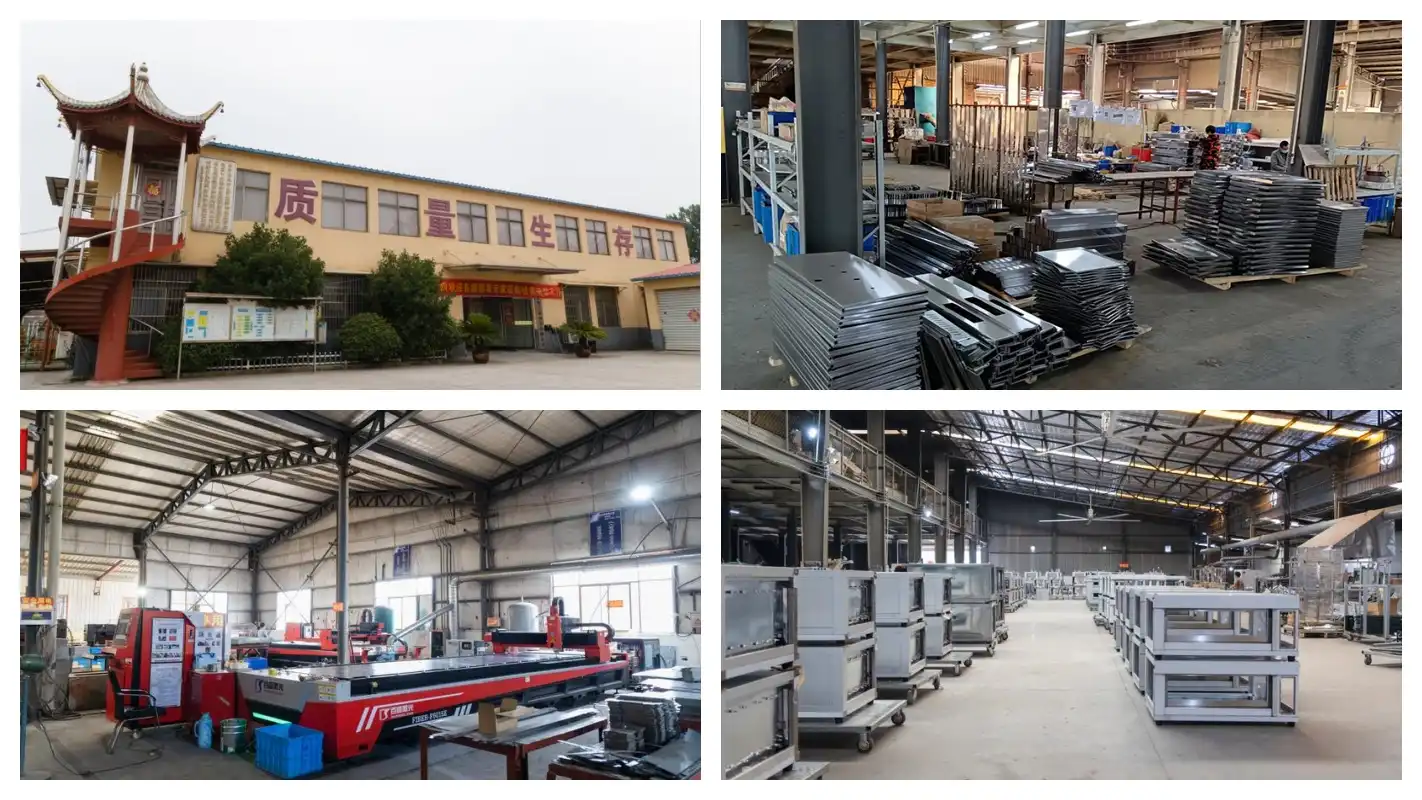
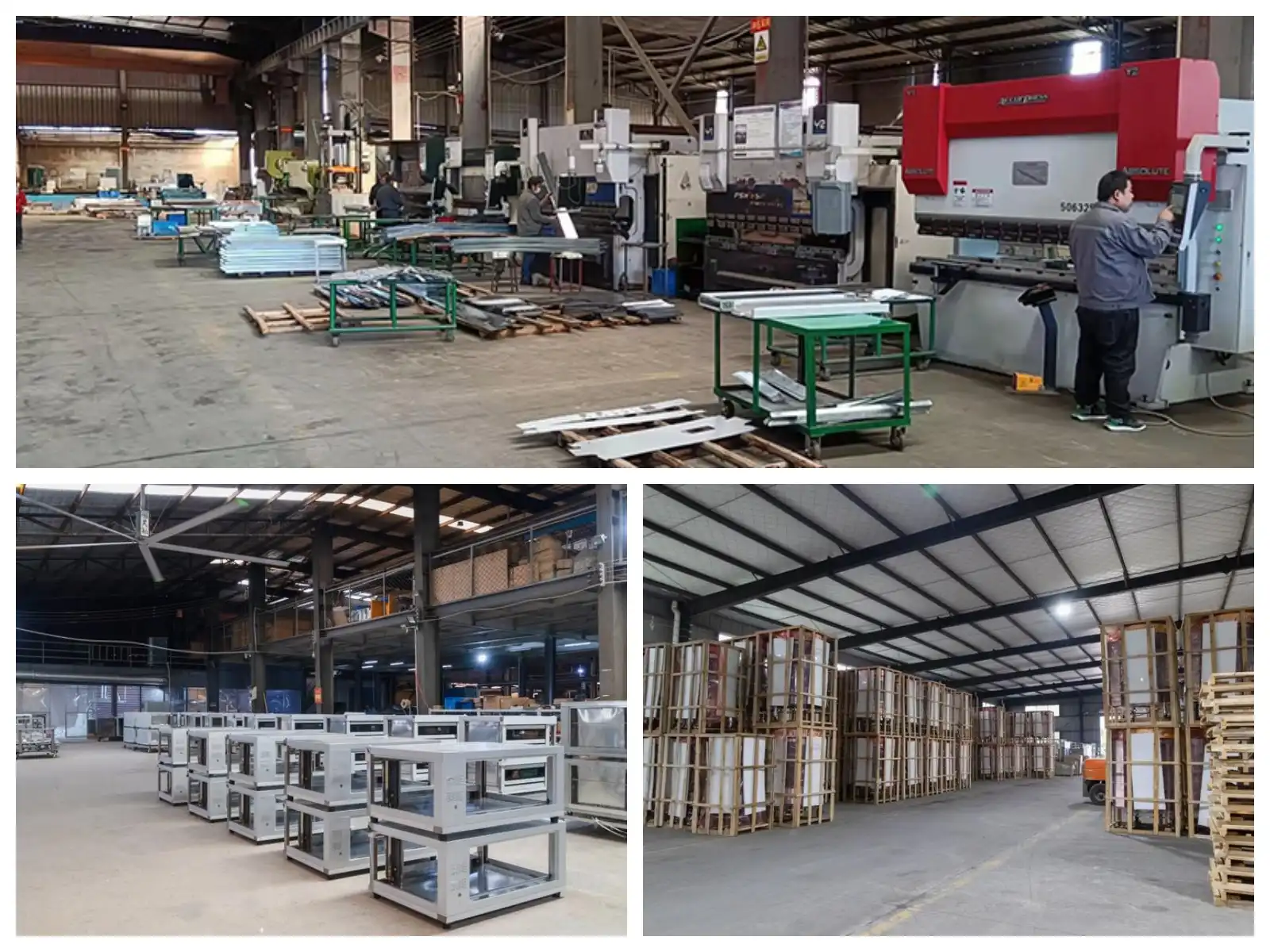
CE certification covers the major criteria for most export markets. Ask the manufacturer whether they have written records of their quality control methods, where they get their supplies from, and when they checked each unit in the factory. A supplier that has been building commercial ovens for 20 years has had production problems that newer firms have not had to cope with yet.
Pricing, Lead Times, and Container Planning
The SL-KXQ3-6 may be put in a standard crate of 6 to 12 units, depending on the packing arrangement. This is critical for importers who need to know the landing cost. The usual lead time for the first order is 8 to 12 weeks, including the time to make the product in the plant, the time to ship the goods over the ocean, and the time to commission the product locally. Orders from folks who already do business with you tend to go quicker. Make sure you have written proof of your production and shipment schedules before you make any promises to your consumers about arrival.
Starting the Inquiry Process
Call the manufacturer and tell them how much you generate every day, what kind of gas you use, what voltage you require, and if you have any tray or size preferences. A good initial inquiry reduces the back-and-forth and helps you acquire a proper price faster. For the entire product details and available alternatives, please see undermoonoven.com.
Conclusion
An industrial 3 Deck Heavy Duty Baking Oven is an investment that will pay for itself in the long term. By selecting the correct gas-fired 3-deck machine, you may reduce your hourly operating costs, handle your complete range of goods with no trouble, and meet the daily requirements of large volume production. The SL-KXQ3-6 is equipped with separate deck controls, a 400°C range, 0.88 kg/h gas use, and stainless steel construction to suit the basic demands of big bakeries. Read the requirements carefully, make sure the tools are accessible where you live and work with a firm that will stand behind their goods once they leave the factory.
FAQ
1. How many trays does a 3-deck gas oven hold per baking cycle?
The SL-KXQ3-6 holds six trays total—two per deck. Each deck operates independently, so you can load and unload one deck without interrupting baking on the others.
2. How does gas consumption compare to electric deck ovens?
The SL-KXQ3-6 consumes 0.88 kg/h of gas. In most LPG markets, this costs significantly less per hour than equivalent electric models drawing 9–15 kW. Over 12–18 hours of daily operation, the difference compounds quickly.
3. Can the oven be configured for different gas types?
Yes. The burner system can be adjusted for LPG, natural gas, or regional gas specifications. Confirm your local gas type when placing an inquiry.
4. What temperature range does this oven cover?
The oven heats from ambient temperature to 400°C, supporting proofing, standard baking, and high-temperature surface coloring in a single unit.
5. What certifications does the oven carry?
The unit holds CE certification, which satisfies compliance requirements for most commercial export markets.
Get a Quote from Undermoon — 3 Deck Heavy Duty Baking Oven Supplier
Every commercial oven that Undermoon ships comes with 20 years of experience making them. Our SL-KXQ3-6 3 Deck Heavy Duty Baking Oven is made for mass production. It uses gas efficiently, is made of stainless steel, and can be fully customized by the original equipment manufacturer (OEM). You can get a free, exact price from us if you tell us your daily output, the type of gas, and the market. You can email our team at undermooncn@gmail.comto start your question right away.
References
1. Bakery Technology & Engineering — Cauvain, S. P. & Young, L. S. (2006). Blackwell Publishing.
2. Food Equipment Facts: A Handbook for the Foodservice Industry — Scriven, C. & Stevens, J. (2012). Wiley.
3. Journal of Food Engineering — "Heat Transfer Characteristics in Deck and Convection Ovens." Vol. 89, Issue 3 (2008). Elsevier.
4. Commercial Baking: Artisan Breads and Bakery Products — Suas, M. (2009). Delmar Cengage Learning.
5. Food Service Equipment & Supplies Magazine — "Deck Oven Performance Benchmarks in High-Volume Operations." (2019). Stagnito Media.
6. International Journal of Refrigeration and Food Science — "Energy Consumption Analysis of Gas vs. Electric Commercial Ovens in Industrial Bakeries." Vol. 14 (2021). Elsevier.
Online Message
YOU MAY LIKE
High quality furniture manufacturer