Sep 29, 2026
Best Multifunctional Commercial Baking Oven for Bakeries, Cafes, and Restaurants
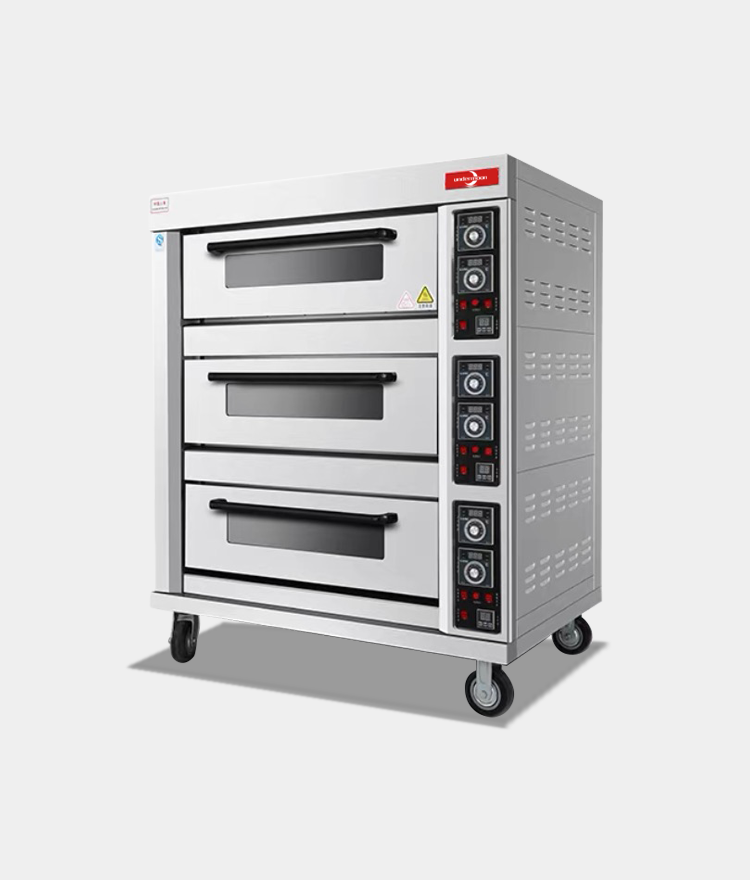
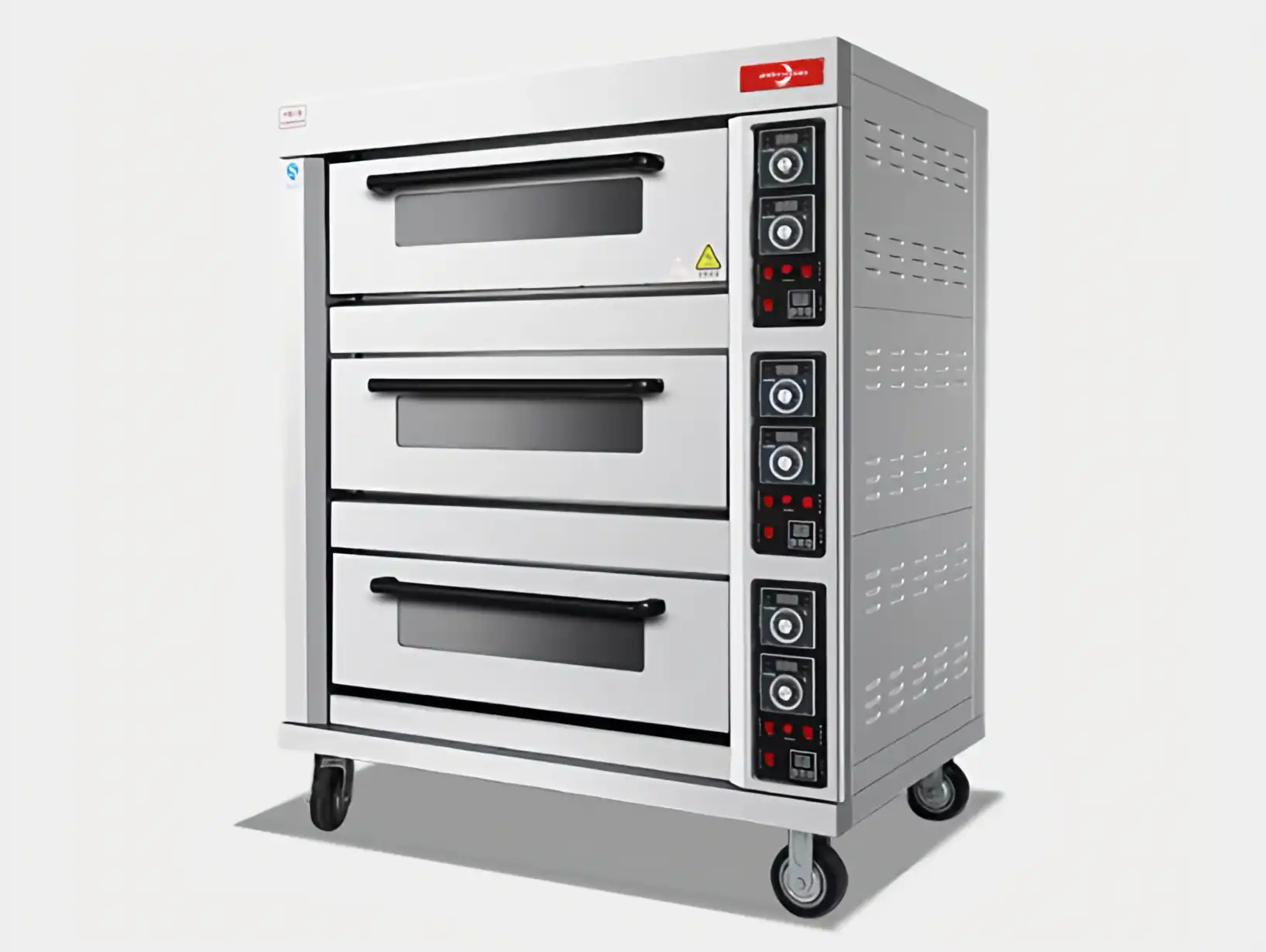
For your business to find the best multifunctional commercial baking oven, it needs more than just basic usefulness. It needs precision engineering that matches high-volume production with regular quality output. We've seen how the right industrial deck oven changes production processes after 20 years of working with bakery chains, restaurant groups, and food processing plants around the world. A really great multifunctional commercial baking oven system combines different ways of cooking into one reliable platform. It keeps its performance even when it's being used in a business setting all the time and keeps the temperature accurate within ±1°C. Our 3-deck 9-tray electric oven is a great example of this standard because it was designed for buying workers who value stable equipment over low prices.send inquiry.

Understanding Multifunctional Commercial Baking Ovens
Commercial baking equipment has changed from simple machines that could only do one thing to complex heat processing systems that can handle many tasks at once. A professional-grade multifunctional commercial baking oven combines forced convection heating, precise temperature modulation, and a high-capacity design into a single solution that fixes four major business problems: inconsistent product quality due to uneven heat distribution; over-reliance on manual labor due to lack of automation; high energy costs due to poor insulation; and limited production capacity in facilities with limited space.
Core Engineering Features That Matter
Modern multifunctional commercial baking ovens are made of SUS304 stainless steel and high-density insulation materials that keep the oven's temperature stable during long baking processes. Adjustable temperature ranges from room temperature to 400°C, mechanical or digital controls for easy use, and chamber designs that optimize airflow patterns for three-dimensional heat distribution are some of the technical features that set industrial-grade equipment apart from consumer-level options. As part of our manufacturing process, we test door gaskets and hinges for over 50,000 operating rounds to make sure they last as long as possible.
Operational Principles Driving Performance
The technology behind it is based on evenly moving heat through each separate deck, which makes sure that the baking results are the same no matter where the trays are placed. PID temperature controllers are used in modern multifunctional commercial baking ovens to keep temperatures stable within ±1°C, which is important for making handmade bread crusts and laminating fragile pastries. Thick insulation layers—often more than 100 mm in industrial models—lower energy use by preventing heat loss during constant operation. This has a direct effect on the long-term costs of running high-volume factories.
Energy Efficiency and Sustainability Considerations
More and more, procurement managers are evaluating tools based on both performance and environmental measures. Using multifunctional commercial baking ovens with triple-glazed heat-reflective glass and mineral wool insulation can cut energy use by up to 30% compared to older models. This can save businesses with multiple units money. With a 29.7kW power rating, the SL-KXD3-9 type uses energy efficiently compared to its large 9-tray capacity, giving chain restaurants the best productivity-to-consumption ratio they need to make money.
Comparing Multifunctional Commercial Baking Ovens with Conventional Ovens
It's easier for operations leaders to make data-driven choices about what to buy when they know the differences between modern multifunctional commercial baking ovens and traditional single-purpose ovens. The comparison goes beyond the price of the initial purchase and includes the total cost of ownership, the freedom of operations, and the need for long-term upkeep.
Performance Metrics and Production Efficiency
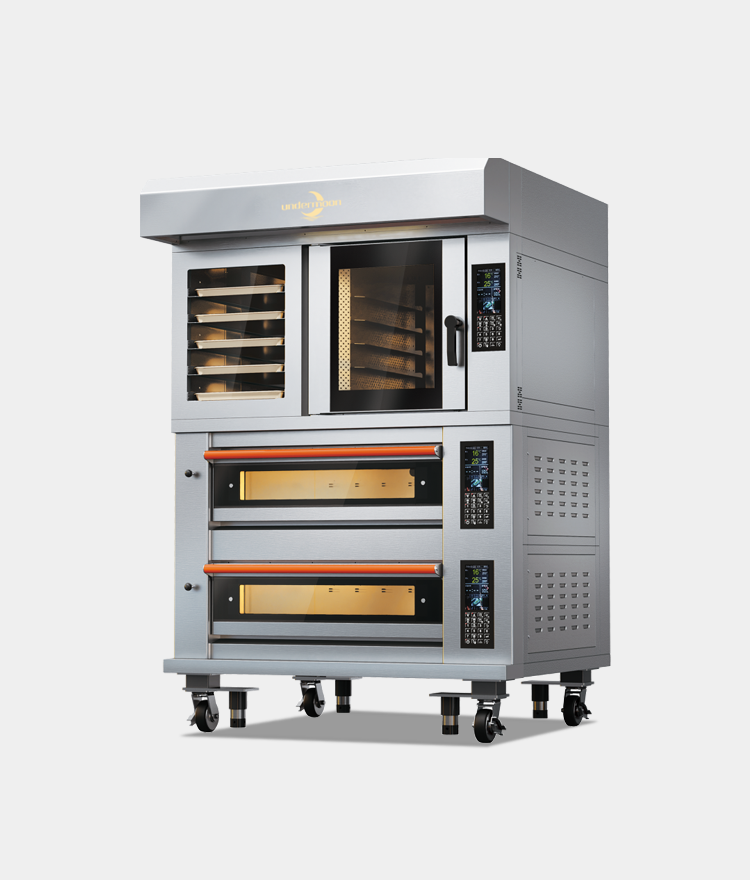
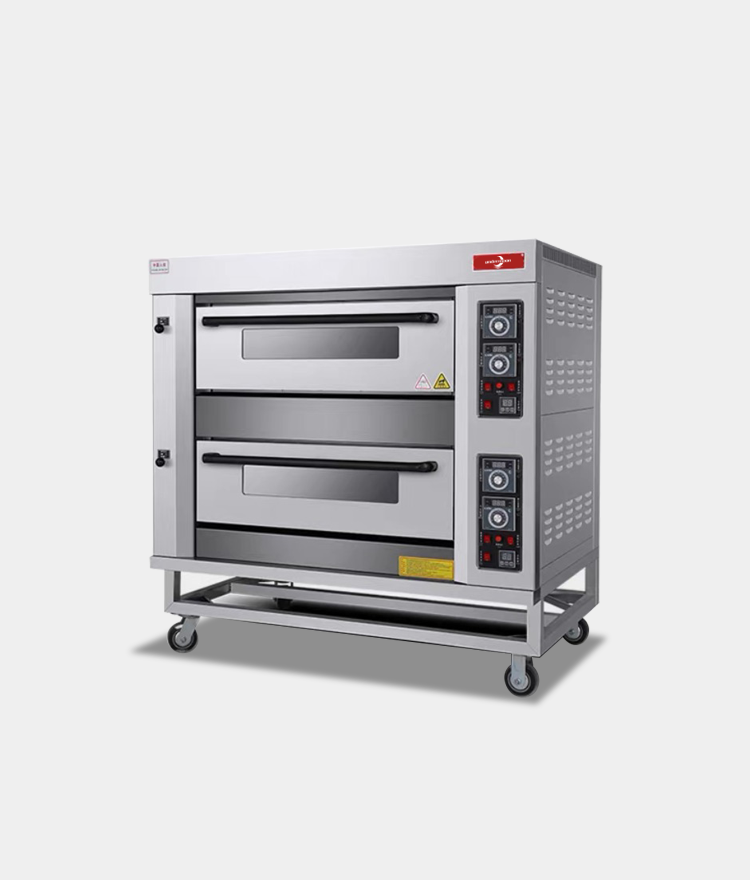
Traditional ovens with only one deck slow down production and need more than one unit to make the same amount of food as a multifunctional commercial baking oven system. Our three-deck design has three separate baking areas within a small 1640x805x1500mm space, which lets us make different goods at different temperatures at the same time. When compared to setting up three separate single-deck units, this vertical capacity design makes better use of room by about 60%. This is especially important for businesses that have to deal with high real estate costs in cities.
Electric Versus Gas Power Sources
Whether you choose an electric or gas multifunctional commercial baking oven affects both the costs of running the oven and the infrastructure needed to place it. Electric types, like our SL-KXD3-9, let you precisely control the temperature and respond more quickly, making them perfect for recipes that need to stick to strict temperature guidelines. They get rid of the problems with air that come with burning byproducts and keep the heat going even when the gas supply changes. Gas-powered options may have lower energy costs per BTU in places where natural gas prices are high, but they usually need bigger exhaust systems and more regular burner upkeep.
Total Cost of Ownership Analysis
In addition to the price of the purchase, procurement workers must also look at how often the equipment needs to be maintained, how easy it is to get replacement parts, and how long the equipment will last. When built with thickened stainless steel and industrial parts, commercial-grade ovens usually last 12 to 15 years of steady use with the right upkeep. Our factory quality control system puts every unit through nine-point thermal mapping tests and 72-hour environmental stress screening. This makes sure that every unit works the same way every time and avoids costly downtime, which is very important for businesses with tight production plans.
How to Choose the Best Multifunctional Commercial Baking Oven for Your Business
To choose the right multifunctional commercial baking oven, you need to make sure that your operational needs and the technical specifications that meet those needs are in line with each other. Using our production knowledge to serve a wide range of market groups, we help procurement teams through this evaluation process.
Capacity Assessment and Production Volume Matching
The first step in planning your production capacity is to look at your present and planned baking numbers for each type of product. Standard 600x400mm baking trays can fit in a 9-tray deck oven setup, which is big enough for medium to large bakeries that need to make 200 to 500 units per batch cycle. Chain bakeries that are opening new locations can save time and money by using the same types of equipment at all of their locations. This makes hiring staff and keeping the equipment in good shape easier.
Technical Specifications and Customization Options
A lot of the time, multifunctional commercial baking ovens need to be changed to fit local electricity standards, business processes, and brand needs. We can change the setup in a number of ways, such as by changing the voltage (220V, 380V, or 415V), using mechanical or digital control screens, or changing the number of decks from one to five. OEM and ODM customization options include logos on the control panel, chamber sizes, and specialty features like steam injection systems. This is especially helpful for wholesalers who work with a wide range of clients.
Supplier Evaluation Criteria
Partnering with makers who have production skills and quality systems that can be checked greatly lowers the risk of procurement. Check out possible providers by looking at their factory audit reports, certification portfolios that include CE, ETL, UL, NSF, and RoHS compliance, and references from well-known clients in the same or a similar market. Our 20-year history of manufacturing with standardized production facilities gives our return customers the operating reliability they value over price-focused deals with new vendors.
After-Sales Support Infrastructure
How quickly technical help responds and how easy it is to get spare parts have a direct effect on machine uptime rates. Reliable multifunctional commercial baking oven providers keep large stocks of parts and offer technical paperwork in many languages that includes clear instructions on how to fix problems. We base our after-sales support on quick response methods because we know that when equipment breaks down, bakeries lose thousands of dollars every hour in lost production income.
Types and Applications of Multifunctional Commercial Baking Ovens
In industrial baking processes, different multifunctional commercial baking oven architectures meet different production needs. Knowing about these functional groups can help you match the skills of tools to the products you sell.
Deck Oven Systems for Artisan Production
Multifunctional commercial baking ovens are great for standard baking jobs that need heat to radiate from both the top and bottom. Direct electrical heating from the stone or steel deck is great for making crusty bread loaves, pizza, and flatbreads. Our multi-deck design lets us bake at different temperatures at the same time. For example, we can make baguettes at 240°C on the upper deck while baking cookies at 180°C below. This gives us the most output freedom without having to worry about cross-contamination between batches of products.
Convection Technology for Consistent Results
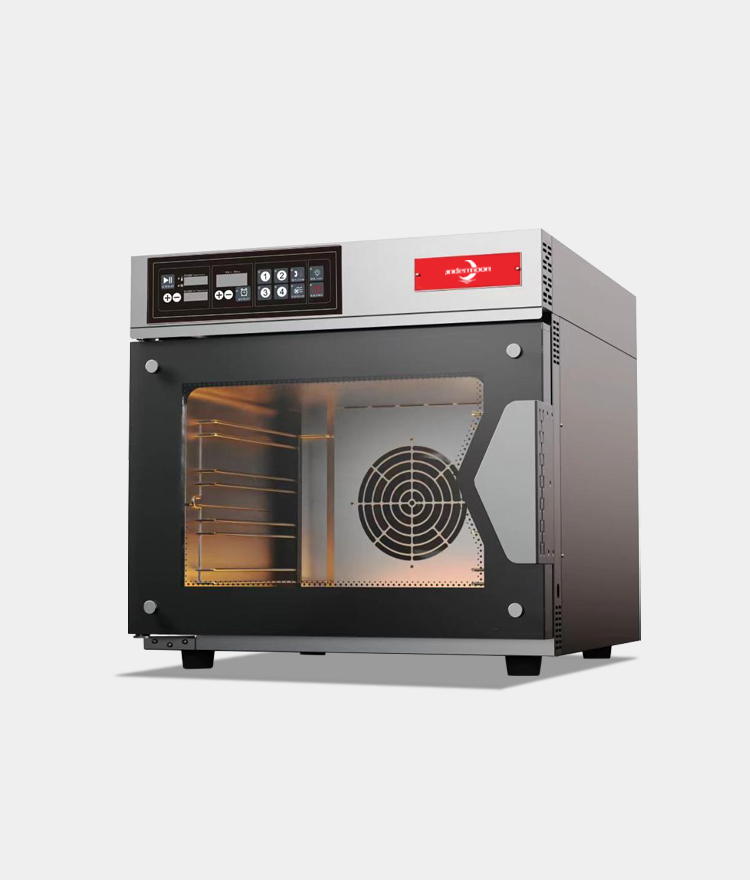
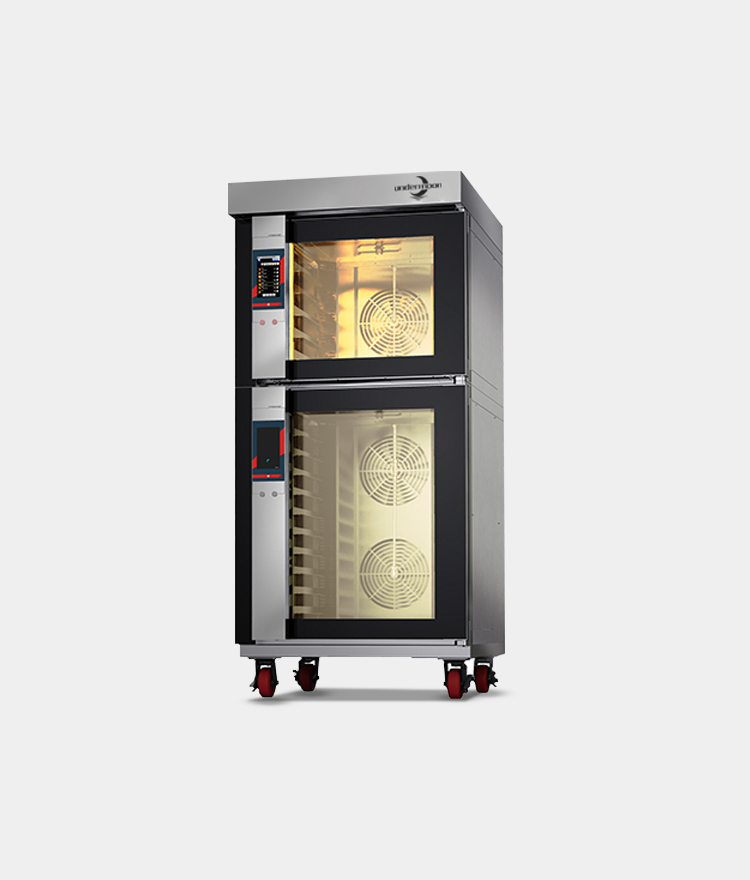
Hot air is moved around the baking room by forced-air convection devices, which make sure that all rack places are at the same temperature. This technology is especially helpful for making a lot of pastries, where brand quality standards need to be met for consistency in cooking and rising across whole batches. Commercial convection ovens have motorized fan systems that need to be inspected and balanced on a regular basis. However, modern industrial motors can usually go 5+ years without needing to be serviced if they are used normally.
Application-Specific Considerations
Bakeries that make specialty breads in the European way put a lot of value on steam injection and high thermal mass decks that look like traditional hearth ovens. Rapid temperature changes and preset recipe saving are helpful for restaurant kitchens that make a lot of different kinds of food. For central kitchens that serve many stores, the equipment needs to be rated for reliability so that it can be used every day for 16 to 20 hours. Our mechanical control interface is easy to use, which cuts down on training time while still keeping the accuracy needed for regular business production.
Maintenance Protocols for Longevity
When compared to reactive repair methods, preventive maintenance plans greatly increase the life of equipment. Every day, routine tasks include wiping down the inside of the doors and checking the stability of the gaskets. Every week, chores include using calibrated thermometers to check the consistency of temperatures and making sure that heating elements work. Deep cleaning of fan units and greasing of mechanical parts should be done once a month according to the manufacturer's instructions. These routine care steps keep the multifunctional commercial baking oven performance stable over its entire useful life, avoiding expensive fixes.
Undermoon: Your Trusted Multifunctional Commercial Baking Oven Manufacturer
Undermoon is a specialized multifunctional commercial baking oven manufacturer with 20 years of experience in the field. They mix excellent engineering with a real understanding of what commercial bakeries need. Our factory has strict quality control systems that check every step of the process, from choosing the core parts to checking the finished product. This makes sure that every oven meets the standards for stability and durability that are needed in high-intensity business settings.
As a company, we make a wide range of electric and gas multifunctional commercial baking ovens, such as deck ovens, hot air circulation systems, and special pizza ovens. There are a lot of different types of business-baking uses for this range, from small cafes to large food-preparation plants. Our technical team has made it possible to customize a wide range of things, such as power requirements, gas type changes, control panel layouts, and changes to the capacity of the system. These changes can be made to meet the needs of different regions and operators around the world.
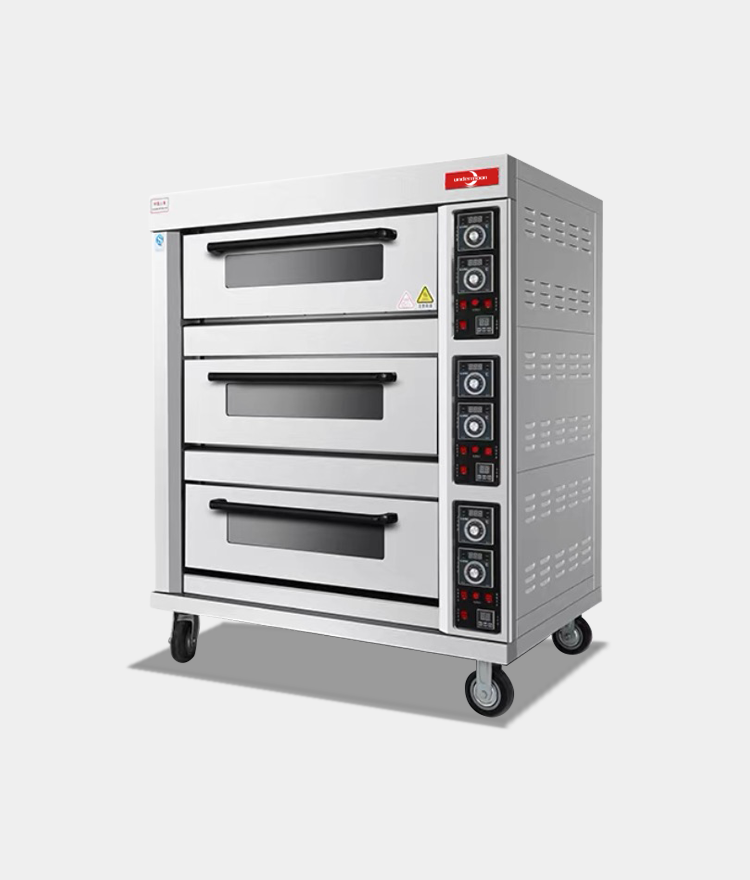
Our engineering philosophy is shown by the SL-KXD3-9 model: providing maximum output within optimized physical areas. This 3-deck, 9-tray electric configuration gives each deck its own temperature control, a simple design that cuts down on failure points, and a high-quality build that can withstand years of heavy industrial use. The 1640 x 805 x 1500 mm dimensions are normal for industrial kitchen layouts, and the 29.7kW power requirement strikes a good mix between performance and sensible demands on the electrical infrastructure.
Aside from being able to make things, we base our business relationships on long-term partnership principles instead of simple sales methods. Our customization services include OEM and private label programs for wholesalers who want to build their brand, as well as flexible container loading configurations that help foreign buyers get the best shipping deals. We keep a lot of technical information and extra parts on hand so that we can support tools for as long as they work.
When procurement professionals work with Undermoon, they can use 20 years of manufacturing knowledge, stable production management systems, and quality assurance methods that greatly lower the risk of equipment failure. Our clients include bakery chains, restaurant groups, and food processing plants on several continents. These businesses chose us because we are a trustworthy manufacturer, not because we offered the lowest prices.
Conclusion
To choose the best multifunctional commercial baking oven, you need to weigh the current output needs against long-term practical factors such as the total cost of ownership, the equipment's durability, and the supplier's dependability. There are a lot of choices on the market, but telling the difference between consumer-grade tools and industrial equipment designed to run continuously for business is what separates smart buying from costly mistakes. Precision in temperature, quality of building, energy efficiency, and the ability to be customized are the main factors used to predict how well tools will work over 10 or more years of use. Work with makers who can show that they can produce what you need, have a wide range of certifications, and have a support system that will keep your equipment safe for as long as it lasts.
FAQ
What is the typical lifespan of a commercial multifunctional baking oven?
If you follow the care instructions, multifunctional commercial baking ovens made of thickened stainless steel and high-quality parts should last for 12 to 15 years. The amount of use, regular upkeep, and the quality of the original build all have a big impact on how long an item lasts. High-volume bakeries that are open 16 hours or more a day should repair parts every 8 to 10 years, while moderate-use businesses may be able to get by with tools lasting longer than 15 years. Reactive repair methods don't have as much of an effect on life as preventive maintenance plans do.
How does energy efficiency affect long-term operating costs?
The amount of energy used is one of the biggest ongoing costs for business bakeries. Multifunctional commercial baking ovens with better insulation and more efficient heating parts can cut energy costs by 25–35% compared to models that aren't well insulated. For large businesses, this can mean saving thousands of dollars a year. When looking at tools, don't just look at the buying price; also think about how much energy it will use over the next 10 years. A slightly more expensive oven with better insulation usually gives you a better return on investment (ROI) in 3 to 4 years through lower energy costs.
Are multifunctional commercial ovens suitable for small cafes or only large bakeries?
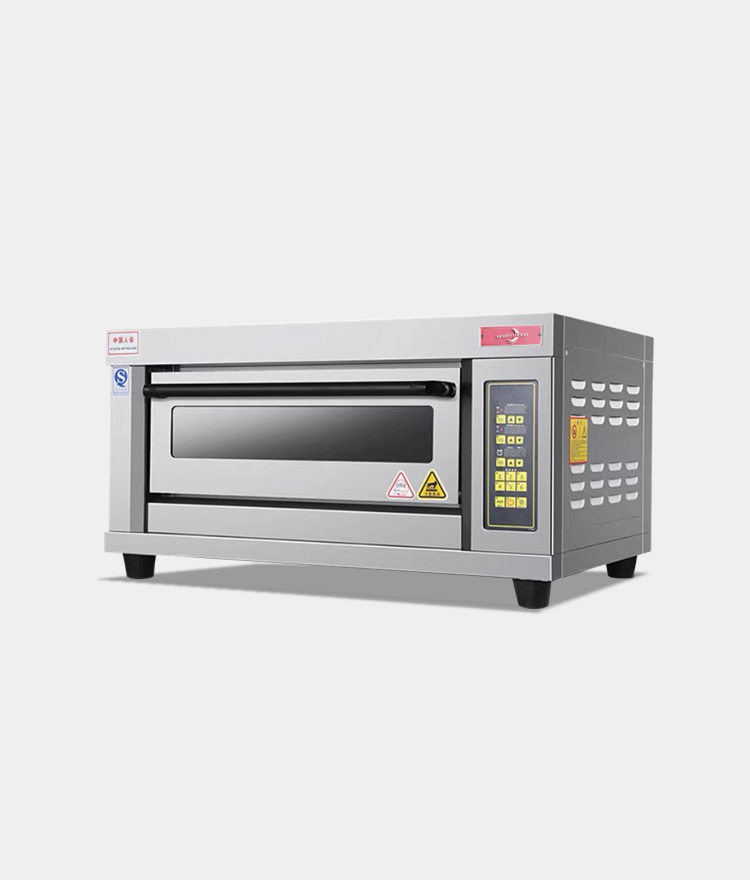
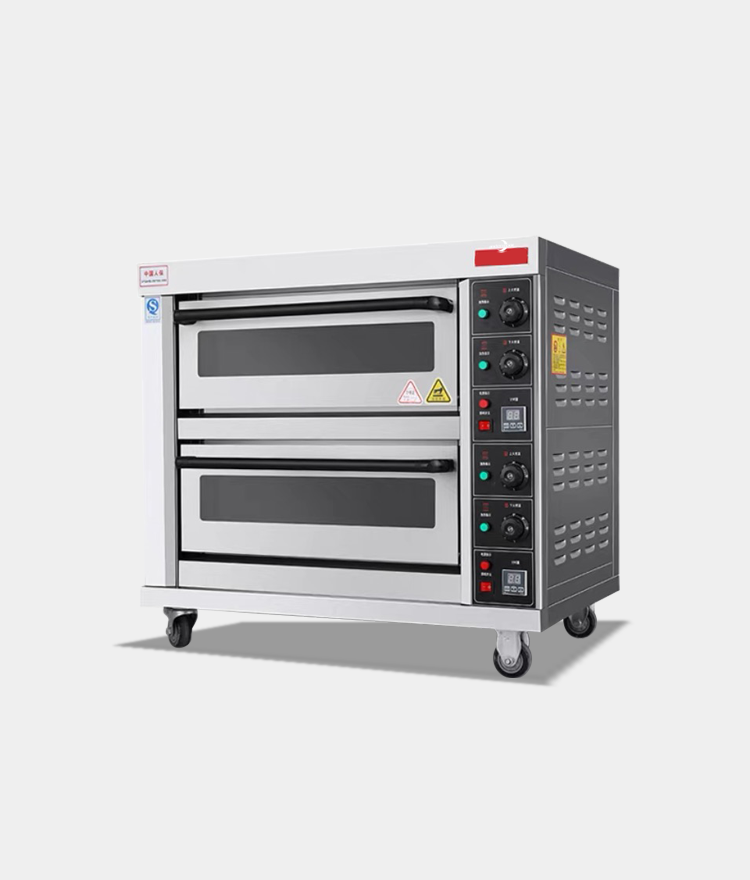
Modern multifunctional commercial baking ovens work well for businesses of all kinds because the deck configurations can be changed. Single- or double-deck types work well for small bakeries and coffee shops, while 3–5-deck systems are better for medium- to large businesses. Flexibility in production is the main benefit. Smaller businesses can run different goods at different temperatures at the same time, making the most of the room they have in the kitchen. Equipment purchases should be in line with expected production volumes, taking into account the company's growth over the next three to five years.
Partner with Undermoon for Your Commercial Baking Equipment Needs
Undermoon is ready to help you buy tools because they have 20 years of experience making things for the industrial baking industry around the world. We are a dedicated multifunctional commercial baking oven seller, and we offer full customization services, cheap pricing for big orders, and technical support that lasts as long as your equipment is in use. Our SL-KXD3-9 3-deck system and full line of products can be used for a wide range of baking tasks, from making small batches of handmade bread to making a lot of pastries.
Please email our technical team at undermooncn@gmail.com to talk about your unique production needs, capacity needs, and customization requests. We give thorough specs, plans for loading containers for foreign shipments, and OEM partnership possibilities for wholesalers who want to grow their market position. Undermoon gives your business the industrial stability and product performance it needs, whether you're in charge of buying supplies for a central kitchen, running a chain of growing bakeries, or selling commercial kitchen equipment. Get in touch with us right away to find out how our multifunctional commercial baking oven solutions can help you run your business more smoothly and make sure your products are always the same.
References
1. Commercial Baking Equipment Standards and Best Practices, National Restaurant Association Educational Foundation, 2022.
2. Energy Efficiency Guidelines for Commercial Foodservice Equipment, ENERGY STAR Program Requirements for Commercial Ovens, 2023.
3. Food Equipment Certification Standards: CE, UL, NSF Compliance Requirements for Commercial Kitchens; International Association of Plumbing and Mechanical Officials, 2021.
4. Thermal Performance Testing Protocols for Commercial Baking Ovens, American Society for Testing and Materials International, 2023.
5. Total Cost of Ownership Analysis for Commercial Kitchen Equipment Procurement, Foodservice Equipment and Supplies Magazine, 2022.
6. Maintenance and Longevity Best Practices for Industrial Baking Systems, Commercial Food Equipment Service Association Technical Manual, 2023.
Online Message
YOU MAY LIKE
High quality furniture manufacturer