Oct 13, 2026
Gas vs Electric Deck Oven for Professional Bakery: Baker's Guide
Picking between gas and electric deck ovens is still a big deal for buying managers and bakery owners who want to make a lot of bread. In areas where natural gas costs are still reasonable, a three-deck gas oven for professional bakery settings has distinct benefits in terms of heat output and operating cost. On the other hand, electric deck ovens offer unmatched accuracy and are easy to integrate into current cooking systems. Knowing the pros and cons of these two heating methods in terms of technology and money helps people make choices about which tools to buy based on production goals, energy budgets, and long-term business plans. This guide breaks down key performance indicators, the truth about care, and the best ways to buy things so that you can make choices that are backed by data.send inquiry.
Understanding Gas and Electric Deck Ovens: Core Differences
Operational Mechanisms and Heat Management
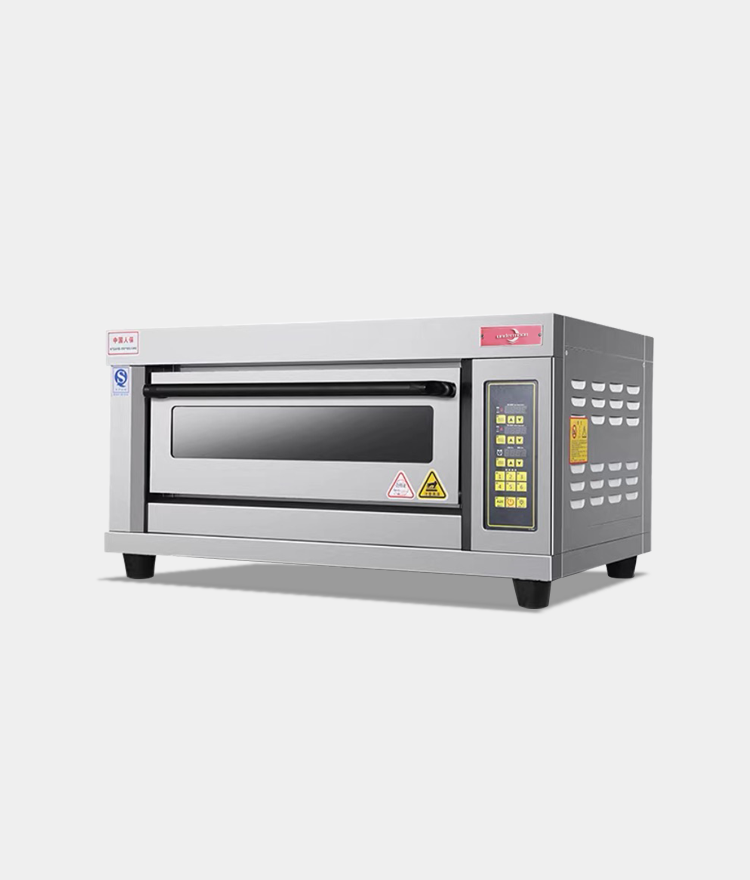
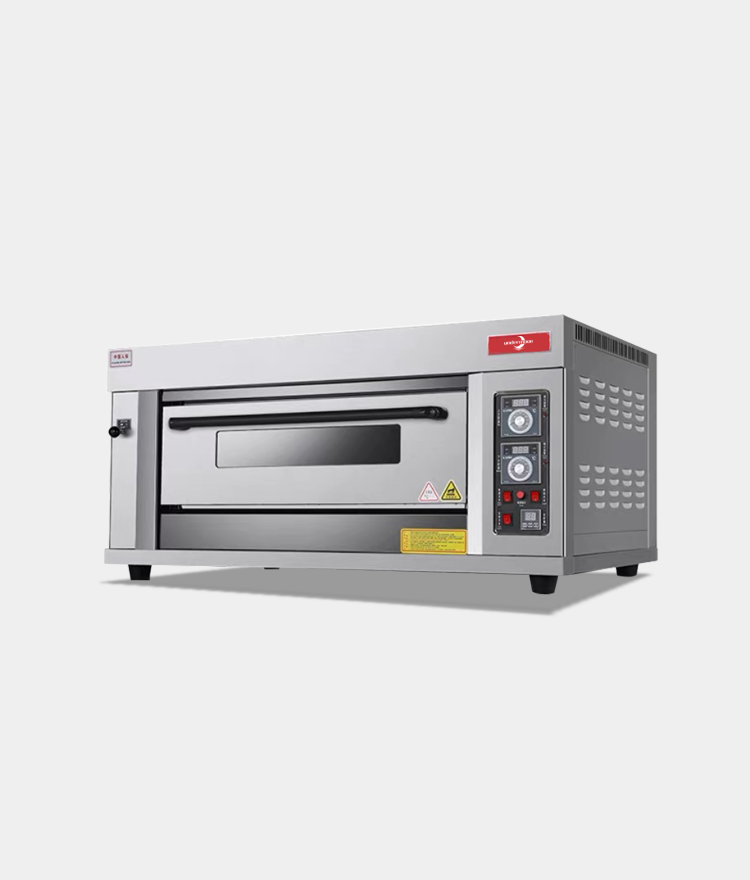
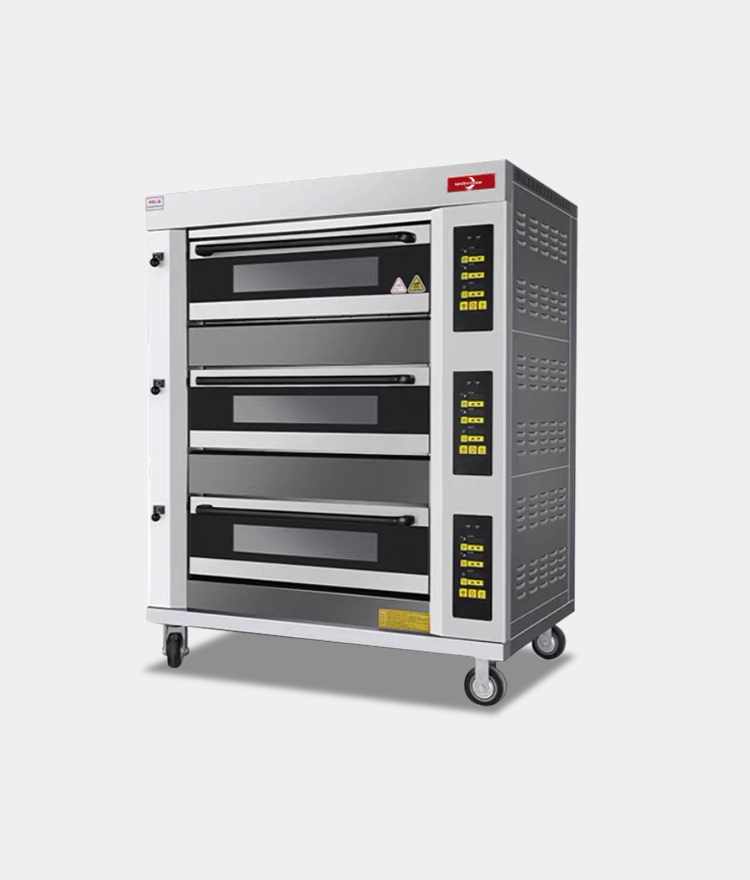
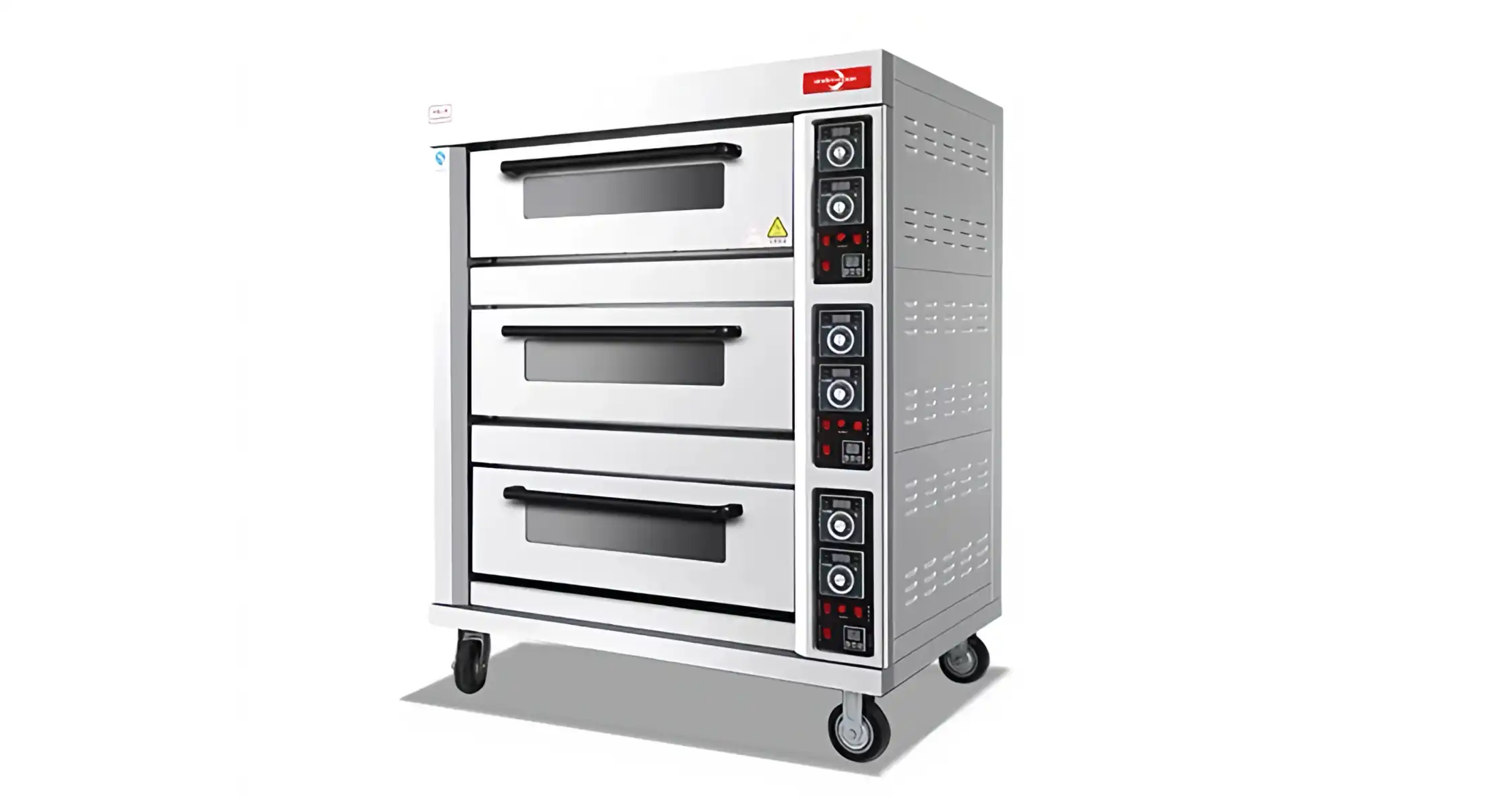
Gas-powered ovens use heaters that burn natural gas or LPG to make very hot radiation that gets deep into the dough. Professional bakers love this method for making the "oven spring" and browned crusts that they're looking for. The three-deck gas oven for professional bakery operations usually has separate top and bottom burners on each deck, allowing the production of different goods at different temperatures at the same time. On the other hand, electric ovens use heating elements that are either tube or plate-shaped and are controlled by electronic timers. These elements provide even, stable heat that keeps the temperature from changing too much when the door is opened.
From working in chain restaurants, I can say that gas ovens get to the right temperature much faster than electric ones. Often, they reach 200°C in less than 12 minutes, while electric ovens take 18–20 minutes. This quick recovery is very helpful during busy production shifts when batches need to be made right after each other with little break. Electric ovens, on the other hand, let you finetune the temperature and have computer control systems that make it easier to make sure that recipes are the same everywhere.
Baking Capacity and Throughput Variations
Deck ovens that use both types of fuel can usually fit standard 400x600mm trays, and three-deck ovens can hold a total of six trays. The real difference is in how fast the heat is recovered and how that affects the hourly output. Gas ovens keep the temperature inside the oven stable even when the doors are opened and closed a lot. This makes them perfect for high-traffic places like bakeries inside supermarkets. Electric types have better temperature stability across all six trays, so you don't have to turn the trays over during baking as often, and the results are more consistent.
Energy Consumption and Efficiency Considerations
The cost of energy has a direct effect on your bottom line. In most U.S. markets, natural gas costs 40–50% less per BTU than electricity. This means that gas grills are more cost-effective for long-term use. A comparable 19.8kW electric unit costs $2.00–$2.50 per hour at standard business energy rates, while a three-deck gas oven for professional bakery use uses 60,000 BTU/hour and costs approximately $0.60–$0.80 per hour. However, electric ovens have better thermal efficiency rates (85–90% vs. 60–70% for gas), which means that more of the energy bought is directly turned into baking heat.
Key Performance and Maintenance Factors
Baking Quality: Flavor, Crust, and Texture Consistency
Gas stoves make a slightly moister baking environment because they release water mist when they burn fuel. This is good for crusty breads like sourdough cakes and baguettes. Artisanal bakers like how the strong radiant heat makes the top caramelize better and gives the bread a rich flavor profile. Electric ovens distribute heat very evenly, so there are no hot spots and every tray, whether it's on the top deck or the bottom, gets the same amount of burning and rising. For centralized production units that serve many retail sites, this level of consistency can't be compromised.
Maintenance Challenges and Best Practices
Gas ovens need more frequent maintenance. Burner orifices get carbon layers that change the color of the flame and the amount of heat they put out. Every six months, they need to be cleaned by a professional. Other parts that need to be maintained are the ignition system, the solenoid valves, and the gas pressure controllers. Electric ovens make this equation easier to understand because the heating parts don't usually break in the first eight years, and the control boards only need to be recalibrated every so often.
I suggest doing thermal mapping tests every three months, checking nine spots on each deck to make sure there is no temperature difference greater than ±2°C. This will help the tools last as long as possible. Every year, gas units should have their pressure tested at 1.5× the normal working pressure to make sure the manifold is still in good shape. On the other hand, electric models need to have their electrical connections checked to make sure there are no power drops that affect how well the heating element works.
Safety Features and Compliance Certifications
These days, three-deck gas ovens for professional bakeries have flame-out safety systems that stop the gas flow immediately if the pilot lights go out, as well as over-temperature cut-offs that happen at set levels. Getting certificates from CE, ETL, UL, and NSF makes sure that the equipment meets high safety standards for business use. Even though electric ovens are safer, they still need to have ground-fault safety and wires that can handle 400°C of continuous use.
Practical Comparison for Procurement Decisions
Cost-Benefit Analysis: Initial Investment vs. Operating Expenses
Because their burners and safety systems are more complicated, gas deck ovens usually cost 10–15% more up front than their electric counterparts. A professional three-deck gas oven for a professional bakery costs between $8,500 and $12,000. An electric model costs between $7,500 and $10,500, based on the features of the control panel. For example, if you run a gas oven for eight hours a day for five years, you'll save between $15,000 and $20,000 on energy costs compared to an electric oven in places where gas prices are low.
To find the total cost of ownership, you need to look at how often upkeep is done and how easy it is to get replacement parts. Gas ovens need service more often and cost $300 to $500 per session. Electric ovens, on the other hand, don't need much maintenance other than replacing the thermostat every so often. International buyers also care about delivery times and how quickly containers can be loaded. Electric ovens ship more compactly and don't need any special gas connection rules.
Durability Considerations and Service Life
Both types of fuel will work well for 10 to 15 years if they are properly maintained. The 304-grade stainless steel used for both the inside and the outside prevents rust and daily temperature changes. The heating tubes in gas ovens last 8–10 years before they need to be replaced. In high-intensity baking settings, electric elements often last longer than 12 years. Double-layer insulation with high-density rock wool (minimum 100mm thickness) keeps the outside cool to the touch and 95% thermally efficient, protecting equipment nearby and lowering the need for HVAC.
Essential Oven Features and Control Systems
Procurement managers should make sure that each deck has its own independent top-and-bottom heat control. This way, croissants can be baked at 175°C on one deck, and hearth breads can be baked at 250°C on another. In high-traffic kitchens, mechanical knobs are easy to use and last a long time. However, digital clocks and PID microcomputers make reproducing recipes more accurate. Voltage adaptation (380V/220V), steam input modules, and stone deck surfaces are some of the ways that equipment can be customized to fit the needs of different product lines.
Regulatory and Environmental Factors
In North American markets, energy economy and pollution standards are becoming more and more important. Gas ovens have to follow EPA rules that limit NOx emissions, while electric models are more in line with green goals in cities that are switching to renewable energy grids. European exports must still have CE and RoHS approvals, which make sure that dangerous substances are followed and that products can be recycled when they're no longer useful.
Buying Guide for Three-Deck Gas Ovens in Professional Bakeries
Sourcing Accredited Suppliers and Manufacturers
To find trustworthy makers, you need to look closely at their production skills, quality control systems, and experience exporting. Standardized production bases with ISO9001 certification are kept up by established suppliers, who make sure that every unit goes through a strict plant check before it is shipped. Look for companies that offer OEM/ODM customization, such as changing the power, the way the panels look, and the amount of space they can hold, so that they can meet local electricity standards and your brand's needs.
When looking at possible business partners, get recommendations from current clients who work with similar types of businesses, like chain bakers, food processing plants, or hotel groups. Instead of depending only on what the seller says, check certifications directly through the databases of certification bodies. For buyers from other countries, how quickly a container can be loaded is important. Skilled makers know how to pack items so that they fit as many as possible into a 40-foot container, which lowers the cost of sending each item.
Key Buying Considerations for Bulk Procurement
Professional three-deck gas ovens for professional bakeriesvary a lot depending on how complicated the specifications are. Starting at $8,500 FOB, standard models come with mechanical controls. Units with digital screens, steam engines, and stone deck surfaces cost $13,000 to $15,000. The warranty should cover the main parts (burners, heating elements, and control systems) for at least one year, and expert help should be available around the clock.
Choices for installation services have a big effect on working readiness. Professional makers offer thorough installation guides, video support from a distance, and commissioning on-site for big orders. To avoid expensive repairs, be clear about the gas pressure needs (2800–3000 Pa for LPG and 2000 Pa for natural gas) and the electricity needs (single-phase 220V for lights and controls) during the first meetings.
Customization Capabilities and Production Scaling
Various output needs can be met by customization that is easy to change. In addition to changing the voltage and gas type, makers can change the size of the trays, add rotisserie extensions, or build in settings that can be programmed. Stone deck surfaces improve the quality of handmade bread, and steam injection methods make it possible to make crusty loaves in the European way. With these changes, bakers can increase production without having to buy new core equipment as their product lines grow.
Conclusion
Choosing between gas and electric deck ovens depends on what you need to do in your business. Gas models are great for high-volume settings where power costs have a big effect on profit margins because they save energy costs, recover heat quickly, and can handle craft baking profiles. Electric ovens are the most accurate way to control the temperature; they are easier to maintain, and they are in line with green efforts. Whether you choose gas or electric power, the three-deck gas oven for professional bakery layout makes the best use of vertical room and delivers a lot of output. To do good buying, you need to look at the total cost of ownership, how well the product meets regulations, how customizable it is, and how reliable the seller is. When you work with experienced makers that offer strong quality control, full certifications, and quick technical support, you can get equipment that ensures stable production quality and long-term profits.
FAQ
What gas pressure specifications does a professional three-deck gas oven require?
Professional three-deck gas ovens for professional bakery units usually work at 2800–3000 Pa for LPG connections or around 2000 Pa for natural gas connections. These pressure settings make sure that the burner works well and that the blue flame burning stays steady. Check that the local gas source meets the manufacturer's standards during installation. If the pressure isn't right, the gas won't burn completely, the flames will turn yellow, and the heater won't work as well.
Can electric deck ovens match the baking quality of gas models?
Electric ovens are better at keeping the temperature even and consistent, which makes them perfect for baking tiny sweets and layered cakes that need precise temperature control. Gas ovens produce slightly moister conditions and strong direct heat that is perfect for making crusty breads. Either technology is better in and of itself; the best choice relies on your product line and the taste profiles you want.
How often should gas burners undergo professional servicing?
Professionals should check gas burners every six months to clean carbon deposits out of the holes, make sure the ignite probe works, and make sure the solenoid valve is solid. Operations with a lot of activity may need repair every three months. Electric heating elements don't need much maintenance in the first eight years, but every year, thermal mapping tests make sure that the temperatures are correct on all floors.
What certifications should I prioritize when importing deck ovens?
For European markets, you need CE recognition. In North America, ETL, UL, and NSF approvals make delivery easier. ISO9001 approval means that the quality control methods in a manufacturing company are strong. RoHS compliance makes sure that limits on dangerous substances are followed, which makes clearing customs easier and helps people keep their promises to be environmentally responsible.
Why Choose Undermoon for Your Deck Oven Needs
With 20 years of experience making business baking tools, Undermoon is a dependable three-deck gas oven for professional bakery manufacturers. Our standard production base makes sure that every unit, from the SL-KXD3-6 model with its six-tray capacity to special designs, meets the highest quality standards. This is done by carefully choosing the parts, managing the production process, and following strict rules for inspecting the finished product. Because of this dedication to making the best products, the machines can keep working at an industrial level in places like chain bakeries, central kitchens, and food processing plants, which are very demanding.
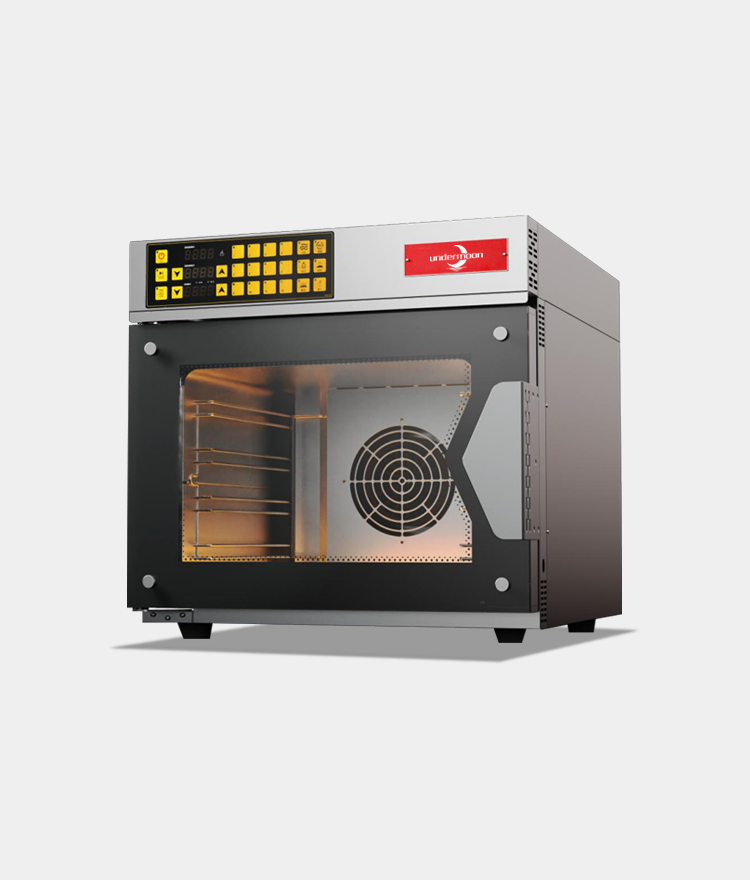
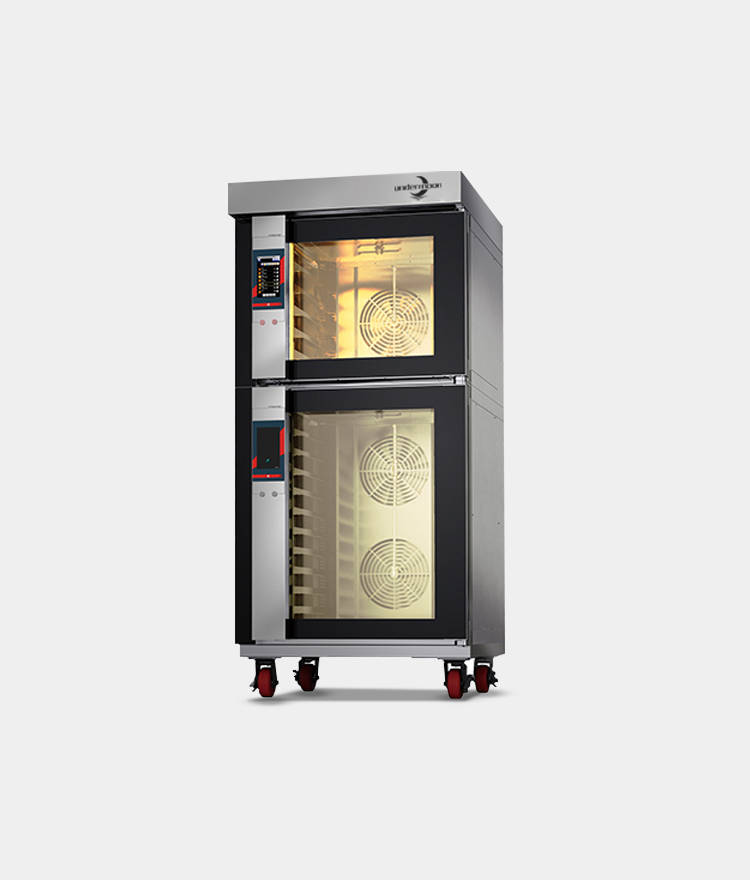
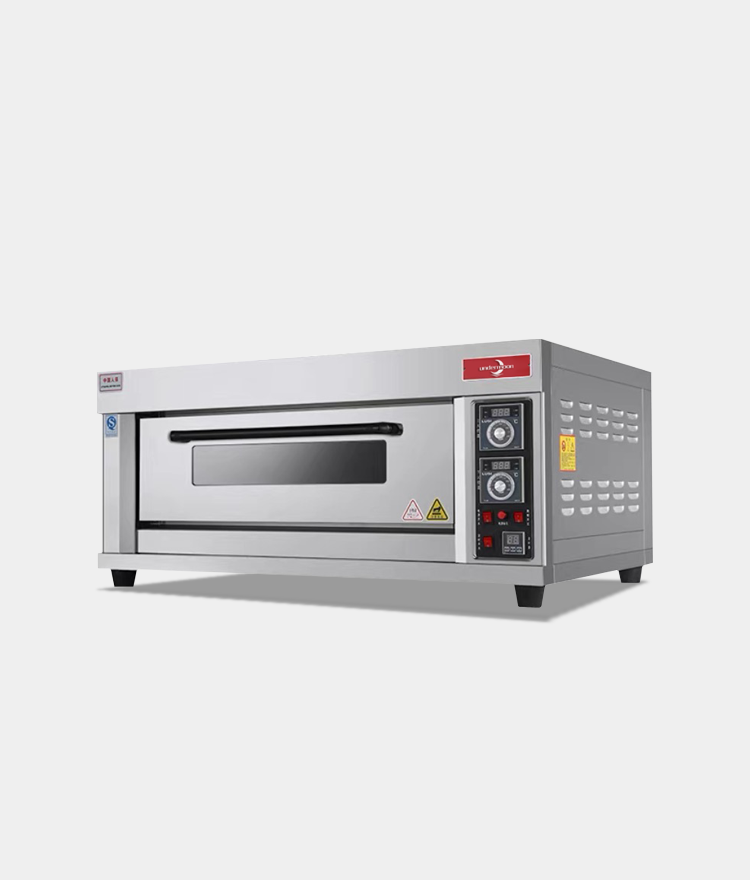
We sell gas and electric deck ovens, hot air circulation systems, and types made just for pizza. All of our products are CE and ISO 9001 certified. The 304 stainless steel construction and double-layer insulation make it durable and energy-efficient. Features like separate heating for the top and bottom and accurate temperature control (from room temperature to 400°C, within ±5°C) make sure that all production batches produce the same amount of food. Undermoon is a receptive partner for wholesalers and importers looking for private label support because its OEM/ODM services can change voltage, gas types, panel designs, and capacity specs to meet the needs of different regions.
Our mature technical accumulation helps clients all over the world get not only tools but also complete solutions, such as access to spare parts, quick contact, and support after installation. Get in touch with undermooncn@gmail.com to talk about your unique production needs and find out how our affordable commercial oven tools can help you run your business more smoothly.
References
1. Smith, J. & Anderson, K. (2022). Commercial Baking Equipment: Performance Analysis and Procurement Strategies. Culinary Technology Press.
2. National Restaurant Association. (2023). Energy Efficiency Standards for Commercial Kitchen Equipment. NRA Educational Foundation.
3. Baker, M. (2021). Deck Oven Technology: Comparative Study of Gas and Electric Systems. Journal of Food Service Engineering, Volume 14, Issue 3.
4. European Committee for Standardization. (2023). Safety Requirements for Commercial Gas Appliances in Food Service. CEN Technical Report.
5. Williams, R. (2022). Total Cost of Ownership Models for Bakery Equipment Procurement. International Journal of Hospitality Management, Volume 28.
6. Professional Bakers Association. (2023). Best Practices for Maintenance and Operation of Commercial Deck Ovens. PBA Industry Guidelines.
Online Message