Sep 11, 2026
How to Choose a double deck electric oven stainless steel?
Choosing a double deck electric oven stainless steel involves evaluating capacity, temperature control, energy efficiency, and build quality to match your commercial baking demands. Successful procurement requires balancing FOB pricing competitiveness, mechanical durability, stable delivery schedules, and voltage compatibility with your local electrical infrastructure. For regional distributors serving Southeast Asian, Middle Eastern, and African markets, prioritizing equipment with simple mechanical controls, wheeled mobility, and minimal maintenance requirements ensures you deliver value to end-users while protecting your profit margins against currency fluctuations and long shipping cycles.send inquiry

Understanding the Importance of Choosing the Right Double-Deck Electric Oven in Stainless Steel
Choosing the right industrial baking tools has a direct effect on how well your business runs and how happy your customers are. If you choose the right double-deck electric oven in stainless steel, you can make the most of your cooking space by stacking the baking rooms vertically. This lets you make different things at different temperatures at the same time. This set-up works well for distributors who are trying to reach small to medium-sized restaurants that are tight on room but still need to make a lot of bread.
Stainless steel construction has real benefits that go beyond how it looks. The substance doesn't rust when exposed to flour dust, sugar leftovers, and cleaning agents that are common in bakeries. When you're running a business with small profit margins, this means that the equipment will last longer and cost less to replace over its lifetime. Food-grade stainless steel surfaces also make cleaning easier, so your clients can meet local health department standards without having to use special cleaning products.
It's always hard for procurement professionals to find the right balance between short-term costs and long-term dependability. When equipment breaks down during busy production times, you lose money for your clients and hurt your reputation as a reliable supplier. Units that run on normal 220V power don't need expensive electrical changes, which makes installation easier for your customers. Mechanical control systems with timers are easy to use and don't need any technical training. This means that fewer service calls and spare parts are needed.
Why Material Quality Matters for Your Investment
The grade of stainless steel affects how well it works and how long it lasts. Food-grade versions have certain amounts of chromium and nickel that stop rusting even in Southeast Asia's high-humidity hot conditions. To keep heat from escaping and to avoid contamination, welded seams must stay strong even after being stretched and contracted many times. Asking for material certifications from suppliers when you're looking at them makes sure you get equipment that meets the international food safety standards your customers expect.
Addressing Common Procurement Obstacles
Distributors often have to meet minimum order quantities that put a strain on their cash flow. You can test the market's demand without taking on too much inventory risk with flexible MOQ arrangements. Shipping lead times of 30 to 45 days require accurate demand forecasts and methods for keeping extra stock on hand. Building relationships with manufacturers who offer L/C or DP payment terms saves your cash flow during long shipping times and builds trust with the provider for future business.
Core Criteria for Choosing a Double Deck Electric Oven Stainless Steel
Technical specs should be compared to the needs of your target market to avoid costly mistakes. The following factors have a direct effect on how satisfied customers are and how often they buy from you again.
Capacity Aligned with Business Scale
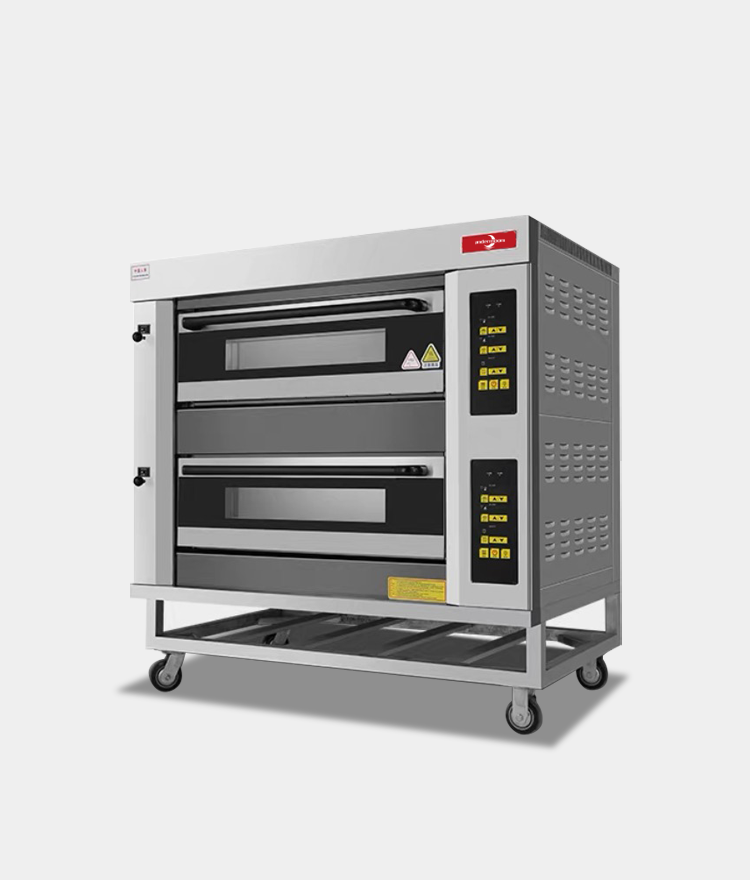
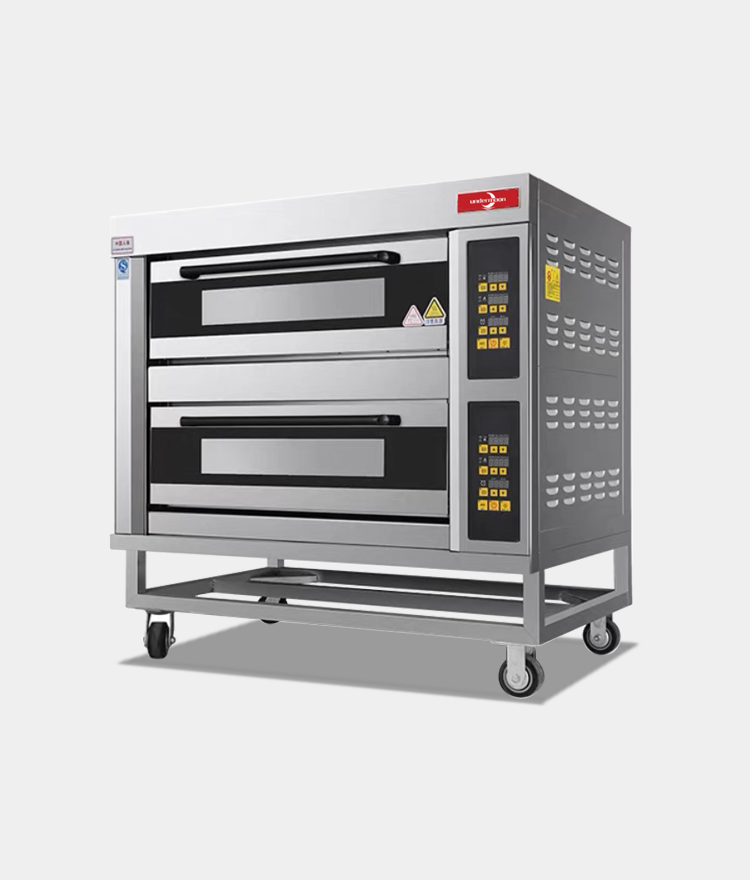
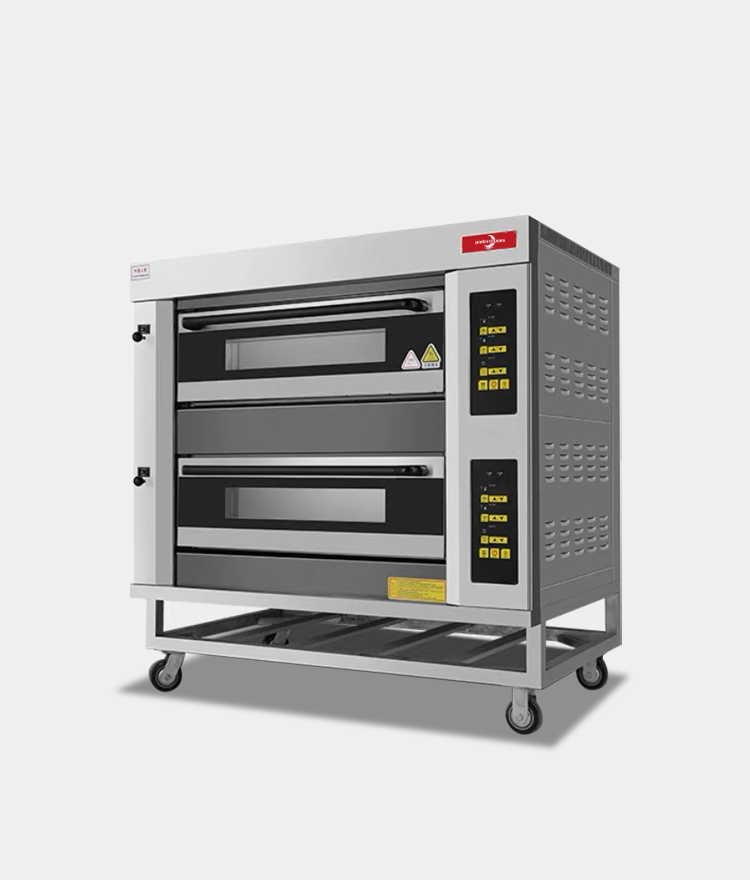
Different numbers of trays can fit on each deck of a commercial oven. A double deck electric oven stainless steel setup with one tray on each deck works well for new bakeries and patisseries that make 50 to 100 things every day. This capacity strikes a good balance between higher productivity and low entry costs, making it appealing to business owners who don't have a lot of money. The small outside measurements of about 920x605x855 mm make it easy to fit through standard doorways and lift up into second-floor spots that are popular in urban retail spaces.
With separate controls for each deck, bakers can make croissants, which need a lot of heat at first, in the upper room while baking tiny macarons below at lower temperatures. This makes the tools more useful, which makes the investment worth it for clients on a budget. Standard tray sizes that work with current bakeware mean that you don't have to pay extra for extras when you set up.
Temperature Range and Energy Consumption
For commercial baking, heat needs to be managed very carefully. Quality units can get as hot as 300°C, which is hot enough for pizza bases and artisan bread crusts. Using electronic or mechanical temperatures with a ±5°C range makes sure that the quality of each batch of goods is the same, which cuts down on waste from goods that are underbaked or burned.
Operating costs are directly linked to how much power is used. A grade of 6.4 kW strikes a mix between heating speed and electricity costs. Units that use too much current require expensive upgrades to the electrical infrastructure, which can be a sales objection. Insulation that works well keeps heat in between baking cycles, which cuts down on preheat times in the morning when bakeries are busy with a lot of orders.
User-Friendly Controls and Safety Features
Mechanical knob controls with built-in timers are popular in places where kitchen staff don't all know how to use technology well. Operators can change the temperature and length of time without having to use digital options. This cuts down on training time and mistakes. Staff are notified audibly when baking steps are over, which keeps products from overcooking while they are doing other things.
Safety features protect both people and things. If timers don't work right, automatic shutdown abilities keep things from getting too hot. Heat-resistant door locks and windows made of strengthened glass let you keep an eye on things without worrying about getting burned. In kitchens where water and electricity are present, proper grounding systems that follow international electrical codes protect people from getting shocked.
Maintenance Requirements and Cleaning Efficiency
Standard commercial degreasers can be used to clean the stainless steel exteriors, so they look professional even after being used every day. Removable crumb trays catch the mess so it's easy to get rid of, and they keep smoke from coming out during high-temperature operations. Accessible heating parts let the unit be inspected on a regular basis without taking it all apart, which cuts down on service downtime.
Maintaining the integrity of the door seal keeps the temperature stable and saves energy. Good seals don't break down after thousands of opening and closing rounds. When seals wear out, new parts are easy to find and install, so machine downtime is kept to a minimum. This is especially important for distributors who don't have local service networks.
Comparing Double-Deck Electric Ovens in Stainless Steel with Other Options
Knowing about different kinds of equipment helps you position your products well and confidently answer customer concerns.
Electric versus Gas-Powered Units
With electric stoves, you don't have to put up a gas line, so you can sell your products in places that don't have natural gas infrastructure. Consistent electrical heating spreads the temperature more evenly than open flame systems, which makes the consistency of the baking better. Electric models don't make any waste products when they burn, so the air in the kitchen stays cleaner and the costs for ventilation are lower.
In places where natural gas prices are supported, gas units usually have lower hourly running costs. But changing fuel prices make it hard for bakery owners to plan their budgets. Electric tools make energy costs more regular, which makes budgeting easier. In cities with strict fire codes, electric types are better because they are easier to install and don't need as many permits.
Stainless Steel versus Alternative Materials
Aluminum ovens are cheaper at first, but they dent easily when they are being moved or set up, which makes maintenance a pain. Aluminum oxidizes when it comes in contact with acidic dough ingredients, so it needs special coverings that wear off after a few washes. The double deck electric oven stainless steel stays structurally sound and looks good even after years of business use, which protects your image for making durable equipment.
Painted steel tanks chip and rust after the protective coats wear off. This is especially likely to happen near the coast where salt air is present. Because stainless steel doesn't rust, these problems don't exist. This makes it the best choice for distributors who work with island nations and port towns across your regions.
Double Deck versus Single Chamber Configurations
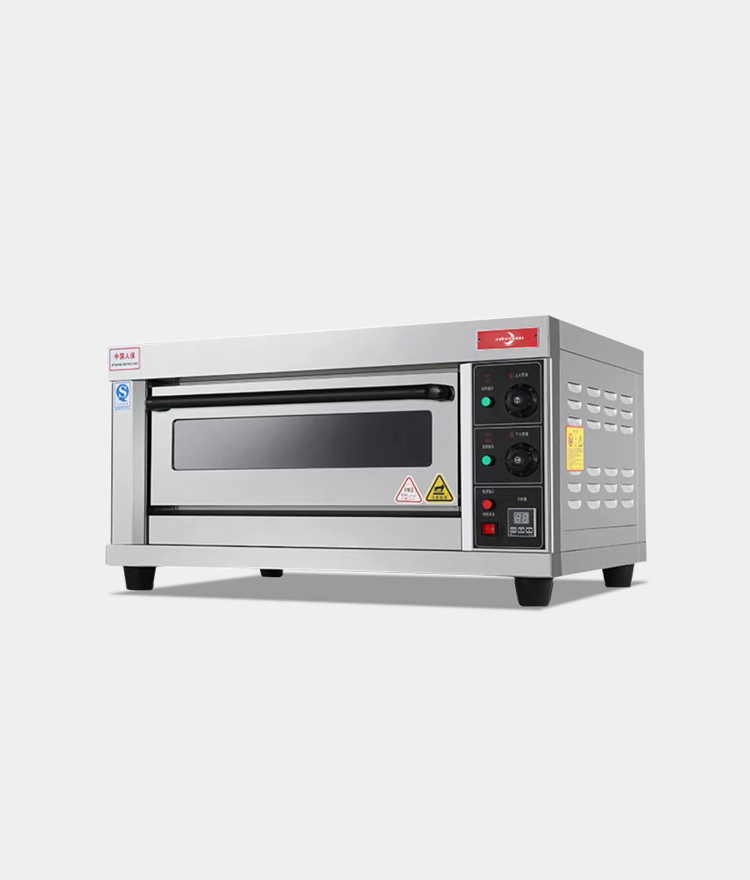
Single-deck units take up less overhead room, but they can't make as much. Bakeries that are growing quickly outgrow single-chamber equipment, which forces them to buy new equipment too soon. Two-deck models put off this obsolescence, which increases the customer lifetime value and lowers the number of complaints about equipment that is too small.
When you look at the upfront price difference between configurations, it's usually only 40–60%, not 100%. This means that two-deck units are more cost-effective per baking chamber. People who are good with money and compare the total cost of ownership instead of just looking at the initial investment like this value proposition.
Evaluating Brands, Suppliers, and Warranty Options
Choosing the right supplier affects the whole business connection, from the first order to years of help after the sale. Partner problems and unhappy customers can be avoided by carefully screening potential partners.
Identifying Reputable Manufacturers
Manufacturers that have been around for decades and have a history of quality products show that they are dedicated to the industry. Companies that have been around since 2004 have been through economic downturns and gained technical knowledge that shows in better products. Production sites that have quality certifications follow written procedures that lower the number of defects and make sure that all double-deck electric oven stainless steels are the same.
Companies that make both electric and gas equipment show that they are technically flexible and have a better understanding of what commercial bakeries need. This range shows that they are actively studying what the market wants instead of just making generic items without knowing how to use them. Customization options for voltage levels, control panel languages, and room sizes show that the production system is flexible enough to meet the special needs of your market.
Verification Methods for Supplier Claims
Asking for factory audit records or third-party inspection certificates proves that the plant can make the goods. Video walks that show quality control stations and production lines are open and honest, which boosts trust. Customer reference lists let you talk directly with current distributors about how reliable their deliveries are, how often they make mistakes, and how quickly they handle warranty claims.
Before committing to a container order, you can place sample orders to check the quality of the build and make sure the packing is right. Sending test units to your warehouse shows you where damage might have happened in the logistics chain. This lets you ask for better ways to pack or load containers before sending them in bulk.
Understanding Warranty Terms and Support Infrastructure
Full guarantees that cover heating elements, thermostats, and structural parts for 12 to 24 months protect your investment during the important first few months of ownership, when production flaws are most likely to show up. When customers make claims, there aren't any arguments when there is clear proof of what normal wear and tear and covered failures are.
Having access to new parts makes it possible to fix things quickly when they break. Long-term customer relationships are strengthened when manufacturers keep parts available for 5 to 7 years after a model is no longer made. With detailed service guides that include wiring diagrams and troubleshooting flowcharts, local techs can fix problems without having to call for help from another country.

Practical Steps to Procure Your Double Deck Electric Oven Stainless Steel
Strategic procurement helps you meet customer delivery expectations while also increasing your profits. Using systematic review methods lowers the chance of losing money and stopping operations.
Price Benchmarking and Negotiation Strategies
By getting quotes from several manufacturers, you can find out what the market prices are. FOB prices for good double deck electric oven stainless steel units usually fall within set ranges that take into account the cost of materials and a fair profit margin for manufacturing. If a quote is much lower than the market average, you should look into the quality of the parts or any hidden costs.
Annual purchasing agreements lock in good prices and show commitment, which suppliers reward by giving you priority scheduling for production. Combining orders for different products raises the total amount bought, giving you more power to negotiate better payment terms. When there are seasonal sales around big trade shows or the end of a factory's fiscal year, you might be able to get 5–10% off your order.
Logistics Planning and Import Considerations
Optimizing containers lowers the cost of sending each unit. Standard 20-foot containers can hold certain amounts of goods depending on the size of the equipment and the packaging. Freight costs are lower when ovens are shipped with other goods that go well with them, like dough makers or proofers. Customs delays that make delivery times longer can be avoided by working with experienced freight forwarders who know the ports where your goods are going.
If you know the import taxes, VAT rates, and licensing needs of your markets, you can avoid having unexpected costs cut into your profits. In some countries, equipment has to go thru certain tests or labels before it can be sold officially. If you confirm these requirements during negotiations, you can include the costs of compliance in your price instead of finding out about them at customs clearance.
Building Long-Term Supplier Relationships
Suppliers will be more likely to keep your preferred models in stock if you place regular orders, which lets you get urgent orders faster. Giving manufacturers estimates of how many items will be sold helps them plan production runs that are good for everyone. When you pay your providers on time and as promised, they will trust you to be flexible when you need to in a hurry or make small changes to the specifications.
A partnership mentality is fostered by regular communication that goes beyond business-related conversations. Sharing comments from the market about features that customers want or complaints that come up helps companies make better goods. When things go wrong, like when there aren't enough materials or shipments get backed up, suppliers who see you as a valued channel partner instead of a transactional customer will help you more.
Conclusion
To choose the right business baking tools, you have to weigh the technical specs against what the market needs and your budget. Double deck electric oven stainless steels made of stainless steel work reliably for small- to medium-sized businesses in a range of temperatures and levels of activity. Mechanical controls make things simpler, and operating each deck separately gives you the most output options. Mobility features and standard power support help you reach a wider audience by making installation easier. You can protect your investment and become a trusted source for tools in your area by carefully evaluating suppliers, planning your purchases strategically, and making sure the guarantee terms are clear.
FAQ
What maintenance schedule preserves oven performance?
Cleaning the stainless steel surfaces and taking out the crumb tray every day keeps buildup from getting in the way of heat distribution. By checking the door seals once a week, you can find early signs of wear before they stop working as well. Using oven thermometers to check the accuracy of the temperature once a month catches calibration drift. The life of equipment is increased by having a professional check the electrical lines and heater elements once a year. Following this plan will keep performance at its best and reduce the number of unexpected breakdowns.
How long do most commercial electric ovens last?
If you keep up with it, a good double-deck electric stainless steel oven can handle 7–10 years of daily business use. Corrosion, which shortens the life of things in damp places, doesn't happen with stainless steel. When compared to digital systems, mechanical controls have fewer computer parts that break. Replacing the heating element every 5 to 6 years makes it last longer and costs less. Build quality is directly related to longevity, which means that a higher original investment is worth it because the total cost of ownership each year is cheaper.
Can these ovens keep up with high-volume production all the time?
By spreading out the baking processes between rooms, independent deck heating makes it possible to run the machine continuously. The 6.4KW power level makes it easy to get the temperature back to normal between runs. When the door is opened, the room stays warm because of good soundproofing. These tools work well in bakeries that make 200 to 300 things every day. Going beyond the planned limit speeds up wear on parts and raises the risk of failure. Matching the oven's capacity to the amount of work that will actually be done guarantees reliable long-term performance.
Partner with Undermoon for Your Commercial Baking Equipment Needs
Undermoon is an expert at giving distributors in Southeast Asia, the Middle East, and Africa reliable business kitchen options. Our double-deck electric oven stainless steel types are the result of 20 years of experience making ovens and the features that your clients want. We know how hard it is for regional wholesalers to find flexible MOQs, stable delivery schedules, and FOB prices that are competitive. Our mechanical control ovens don't need a lot of complicated maintenance and always give your customers the baked goods they expect. As a seasoned double-deck electric oven stainless steel manufacturer, we provide customization options for voltage specifications, mobility features, and capacity configurations that meet a variety of market demands. Email our team at undermooncn@gmail.com to talk about how our equipment options and open terms for buying can help your business grow. You can look at our whole line of products at jslg888.aixdb.cn and ask for full specifications that are specific to your area.
References
1. Johnson, M. (2023). Commercial Bakery Equipment Selection: A Distributor's Guide. International Foodservice Publishing.
2. Chen, L. & Rodriguez, P. (2024). Stainless Steel in Food Processing: Material Science and Practical Applications. Industrial Materials Press.
3. Southeast Asian Foodservice Equipment Association. (2023). Regional Market Analysis: Baking Equipment Demand Trends 2023-2025. SAFEA Industry Report.
4. Williams, T. (2022). Energy Efficiency in Commercial Ovens: Comparative Analysis of Electric and Gas Systems. Culinary Equipment Research Journal, 18(3), 145-162.
5. Global Bakery Equipment Standards Committee. (2024). Safety and Performance Standards for Multi-Deck Commercial Ovens. GBESC Technical Publication.
6. Anderson, K. & Patel, R. (2023). Supply Chain Strategies for Food Equipment Distributors in Emerging Markets. International Trade and Logistics Review, 12(4), 78-94.
Online Message
YOU MAY LIKE
High quality furniture manufacturer