Oct 20, 2026
How to Choose the Best Single Deck Commercial Bread Baking Oven?
It is important to carefully consider the precise temperature, volume, energy efficiency, and long-term dependability of a single deck commercial bread baking oven when choosing the right one. This detailed guide walks you through technical details, the reliability of the provider, and the customization options so you can make smart choices that fit your bakery's production goals and budget.send inquiry.
Understanding Single Deck Commercial Bread Baking Ovens
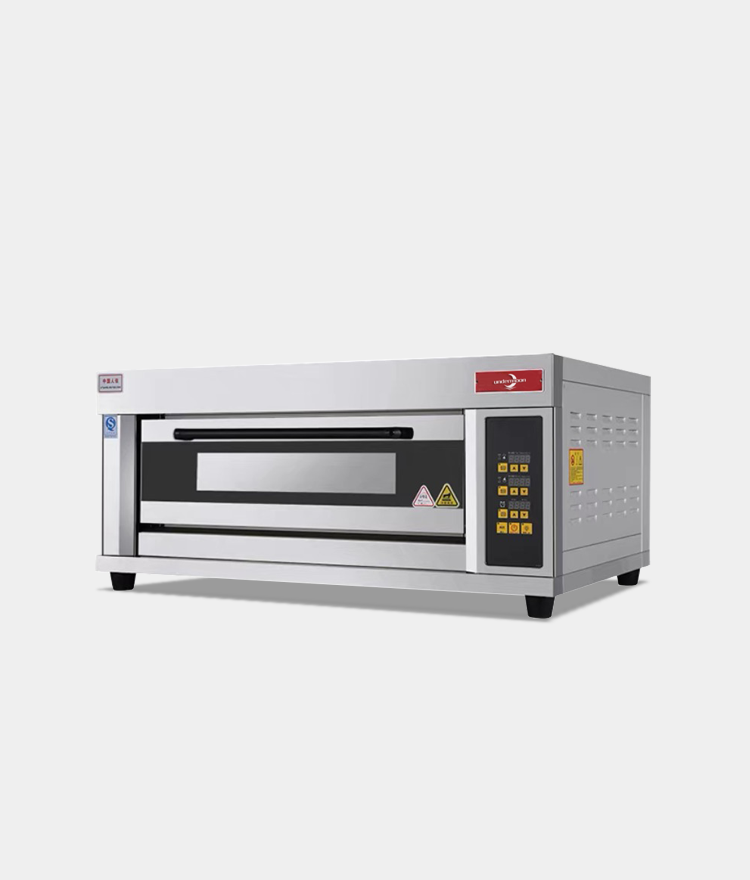
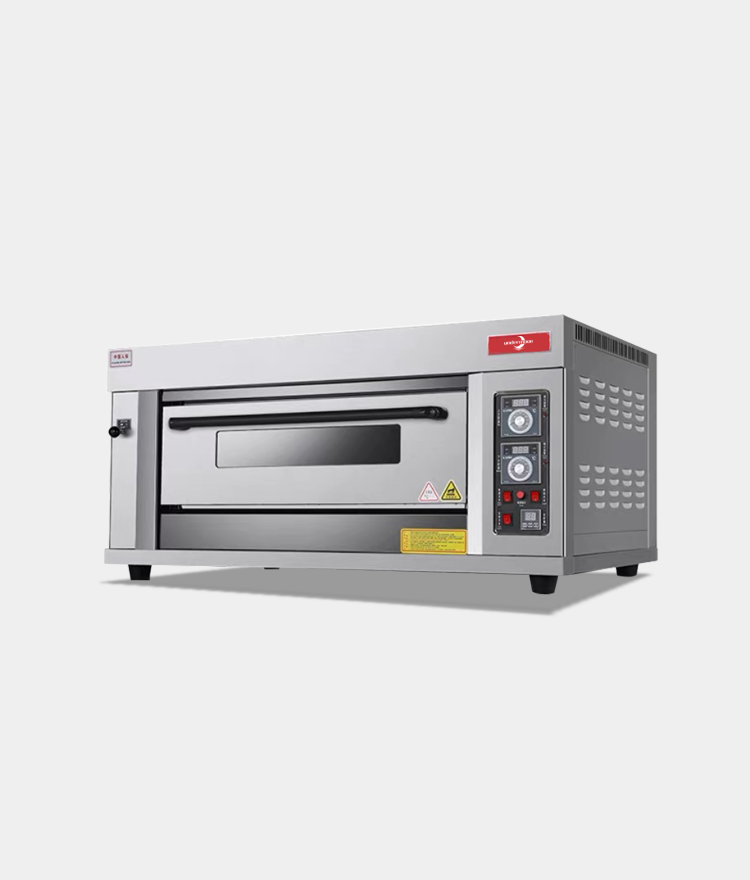
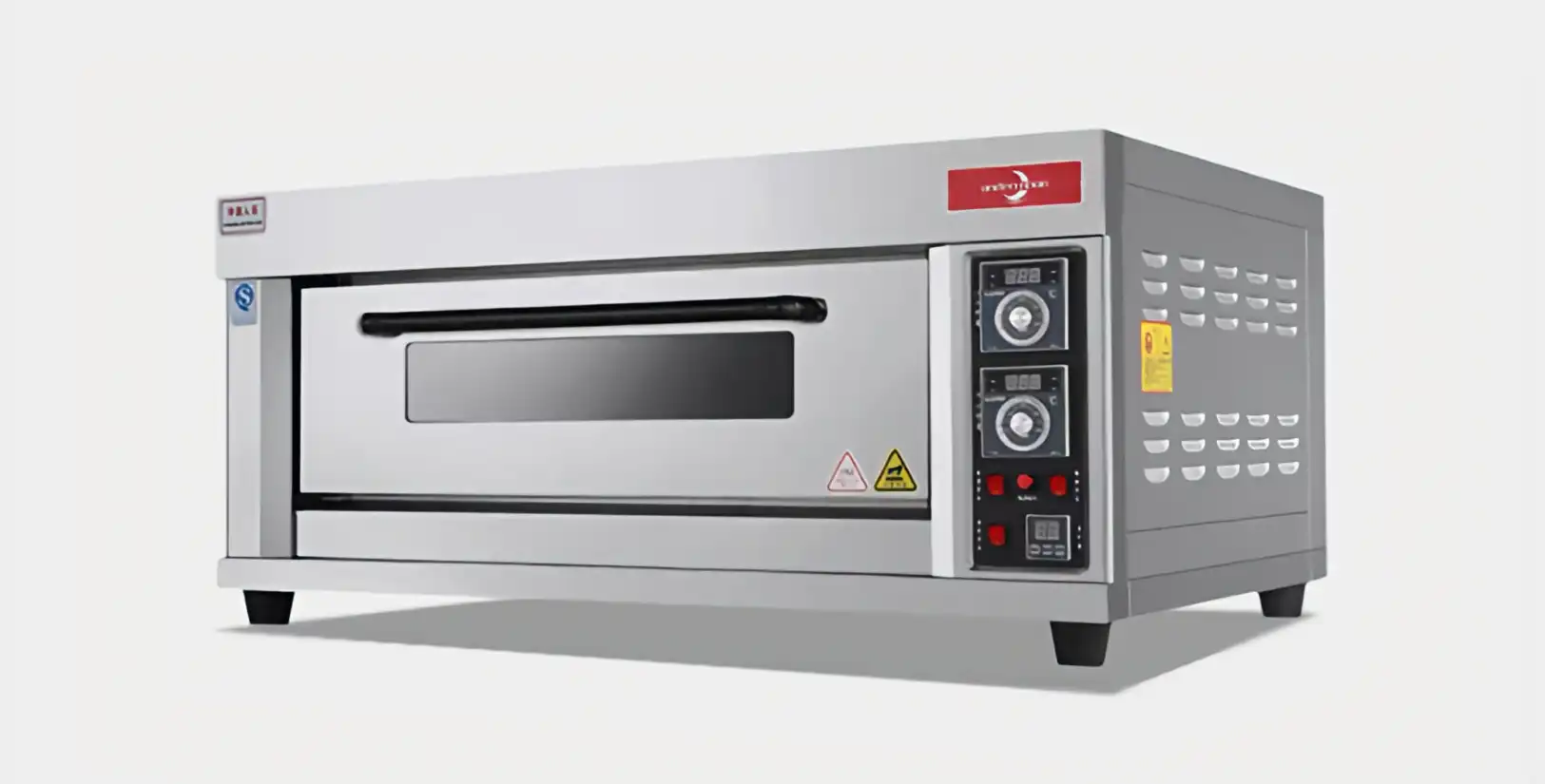
Single-deck commercial bread baking ovens have a single baking chamber that is intended to provide focused heat and uniform baking results. Upper and lower heating parts that are separate from each other are usually built into the design.
Design Architecture and Operating Principles
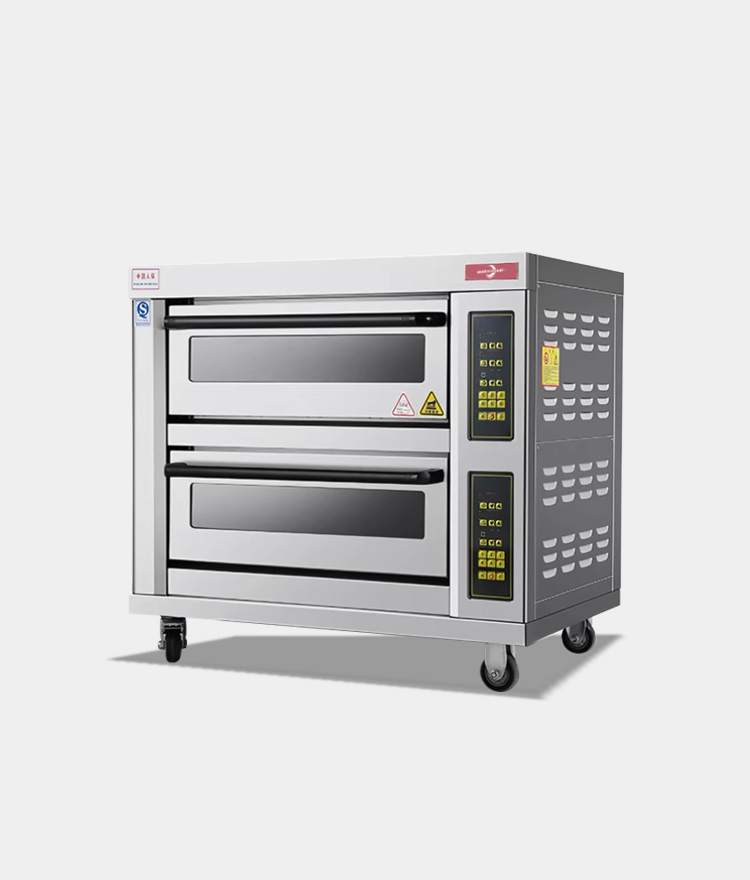
A single deck commercial bread baking oven is built around a single baking room that can usually fit between two and four trays, depending on its size. Models like the SL-KXD1-2 have a small 1220×805×560mm size, which means they can fit in kitchens with limited room while still being able to produce a good amount of food. The arrangement of the separate heating elements allows for three-dimensional balanced heating, which makes sure that heat spreads properly throughout the room instead of building up in certain areas.
Radiant heat movement and absorption from the deck surface are what make these ovens work. This way of heating works especially well for handmade breads, baguettes with a crust, and sourdough loaves that need to release wetness slowly and develop a crust. The mechanical or digital control screens let workers change temperatures up to 400°C, which supports a wide range of baking tasks, from baking delicate cakes to pizzas at high temperatures.
Distinguishing Characteristics and Ideal Applications
Single deck commercial bread baking ovens are different because they are focused and simple. They aren't as complicated as spinning rack systems or forced air movement, which means they have fewer moving parts that might need to be fixed. This simple design means lower starting costs and lower long-term upkeep costs, which are very important for bakeries that are trying to make ends meet.
Single deck commercial bread baking ovens work best in places that make specialty bread, like craft bakeries, hotel breakfast businesses, and small-batch industrial baking. Chain bakeries often put these units in satellite sites where they can't put other equipment because of room issues. They are used by food preparation plants to try new products and make small batches of special items. Kitchen engineering workers like that their standard sizes and simple installation needs make planning and carrying out projects easier.
Key Factors to Consider When Choosing a Single Deck Commercial Bread Oven
In order to choose the right baking tools, you need to carefully compare the technical specs to your individual needs. Accurate temperature control has a direct effect on how consistent the result is. Mechanical controls make models easy to use and last a long time, while digital screens let you set recipes and keep an eye on things. For different kinds of bread, being able to change the upper and lower heating parts separately is important. The bottom heat is needed to make the crust, and the top heat controls the browning in a single deck commercial bread baking oven.
Baking Capacity and Production Throughput
Before you can figure out your capacity, you need to know how much you make every day and what kinds of things you make. Depending on the size of the pan and the type of bread, a 1-deck 2-tray setup can usually hold 8 to 12 loaves at a time. Bakeries that make 100 to 200 loaves a day find that this capacity is enough when switching between batches during production hours. The small size (1220 mm wide) of the footprint makes it possible to place in tight areas without limiting access for loading and unloading.
The rate of production is affected by how long it takes to heat up, bake, and recover the chamber between batches. Good single deck commercial bread baking ovens heat up in 15 to 20 minutes and stay at that temperature even when the doors are open for loading. This is because the heat insulation has been strengthened. This heat efficiency cuts down on wasted energy and keeps baking conditions stable over long production runs.
Energy Consumption and Operating Economics
Over the life of an oven, energy costs make up a big part of its operating costs. Electric types, like the 6.6KW SL-KXD1-2, can precisely control the temperature and run quietly, making them perfect for cities with stable power lines. The amount of power used is directly related to the quality of the insulation. Insulation layers that are thicker keep heat in and use 15-20% less electricity than options that aren't as well insulated.
Voltage choices should be thought about when judging energy economy. The ability to work with both 220V and 380V voltages gives installers more options for installing it in a variety of building electrical systems. This adaptability is especially helpful for foreign buyers and businesses with multiple locations that want to standardize their tools across a wide range of markets. Gas-powered options work best in places where gas infrastructure is already in place or where gas prices are much lower than electricity prices.
Durability, Construction Quality, and Maintenance Requirements
Building materials affect how long something lasts and how often it needs to be maintained. Premium stainless steel bodies don't rust, can be cleaned every day with professional cleaners, and keep their good looks for years of use. The thickness of the material is important—gauge measures below 18 mean the building is thinner, less durable, and more likely to warp after being heated and cooled many times.
Total cost of ownership is affected by how easy it is to do maintenance. Well-designed ovens have panels that can be taken off to service the heating elements, wire lines that are easy to get to, and standard replacement parts. Before finishing purchases, procurement teams should check to see if extra parts are available and how long it will take to get them. Manufacturers with well-developed production management systems keep an inventory of parts and provide expert paperwork. This cuts down on downtime when repairs need to be made.
Comparing Single Deck Ovens to Other Commercial Baking Options
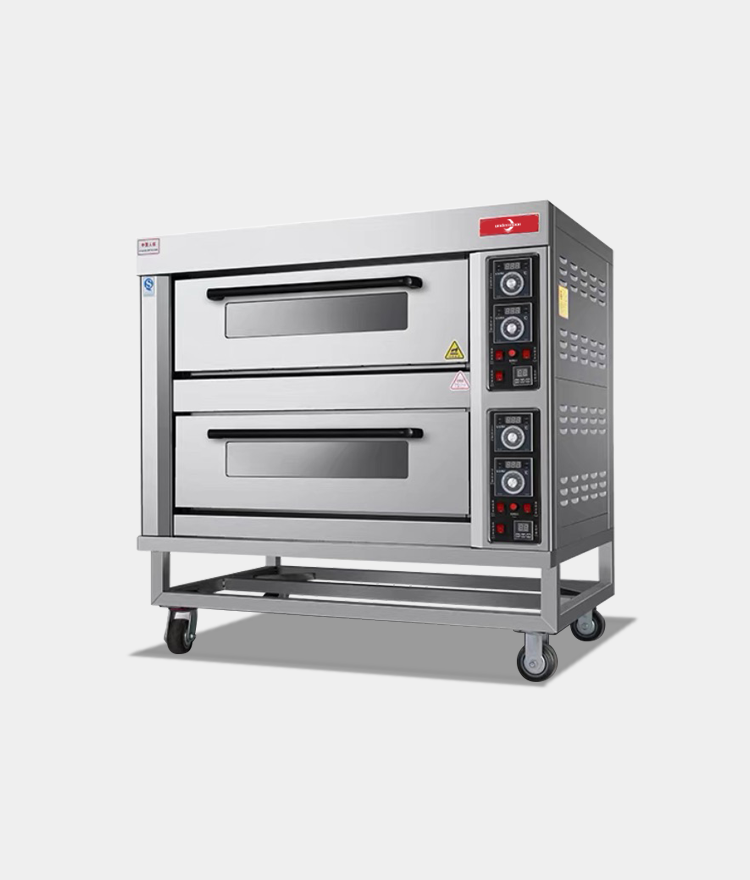
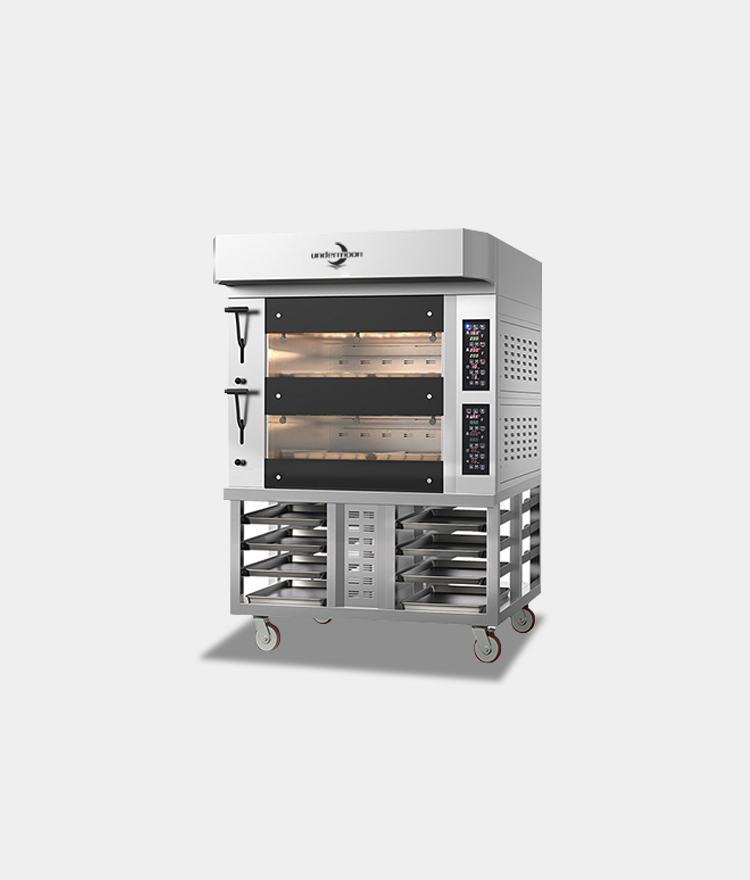
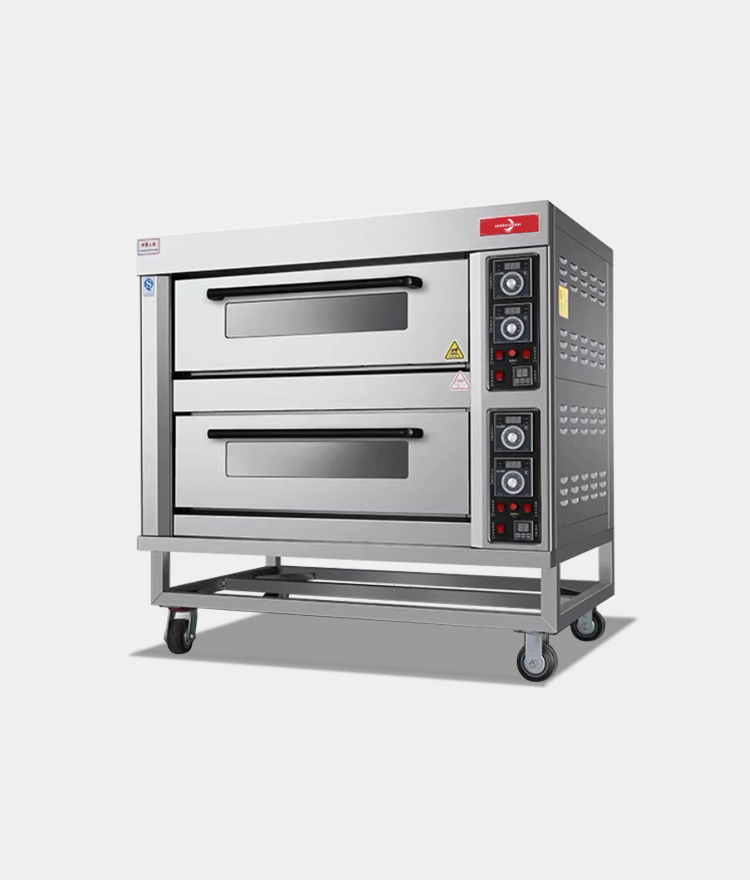
Knowing where single deck commercial bread baking ovens fit in the bigger picture of tools helps procurement teams make smart decisions that are in line with how things work in the real world. Multi-deck ovens make the most of vertical room and production capacity within a small footprint. This makes them perfect for high-volume businesses that make more than 500 loaves every day. But they make operations more difficult because workers have to keep an eye on more than one room at the same time, and if heating systems don't have complex controls, temperatures can change between decks.
Single Deck Versus Multi-Deck Configuration Trade-offs
Single deck commercial bread baking ovens work best for making unique breads that need to be closely watched and have their recipes changed often. The specialized room lets bakers focus on perfecting single batches instead of having to keep track of several decks that are all at different temperatures. The easier operation means less training is needed, which is very important for places that have a lot of staff change or hire part-time workers.
Single deck commercial bread baking ovens are easier to load and unload because they are easier to get to. This also cuts down on the injuries that come from repeatedly reaching high or low deck places in multi-level designs. This practical benefit helps keep the workplace safe and running smoothly, especially during long production shifts.
Electric Versus Gas Fuel Source Considerations
Whether to use gas or electricity depends on the availability of facilities, the cost of utilities in the area, and the tastes of the business. Digital or mechanical thermostats in electric ovens let you precisely control the temperature, so the products are always the same during production processes. They get rid of the waste products of burning, which makes airflow easier and keeps baking areas cleaner. When there is enough electricity already, the initial construction costs stay lower.
Gas ovens are useful in places that can get natural gas or propane and where the price of gas is low. When paired with manual settings, they usually heat up faster and can keep running even when the power goes out. But they need the right air systems to get rid of the burning gases, which makes installation more difficult and costs more. Instead of just looking at the price of buying equipment, procurement teams should figure out the total cost of ownership over five to seven years. This includes expected energy costs and usage trends.
Convection Versus Deck Oven Baking Characteristics
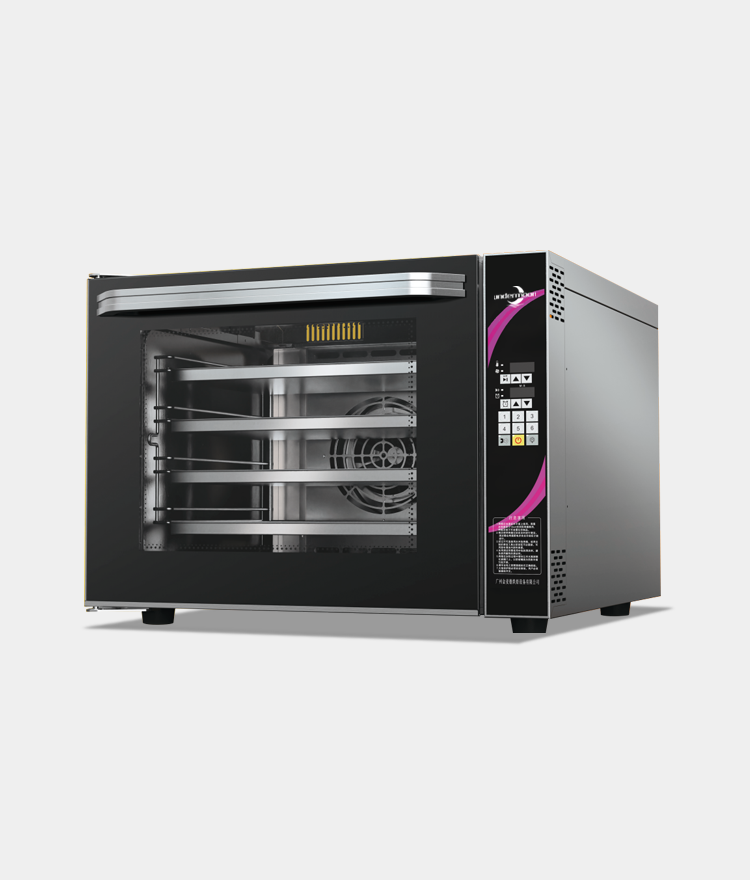
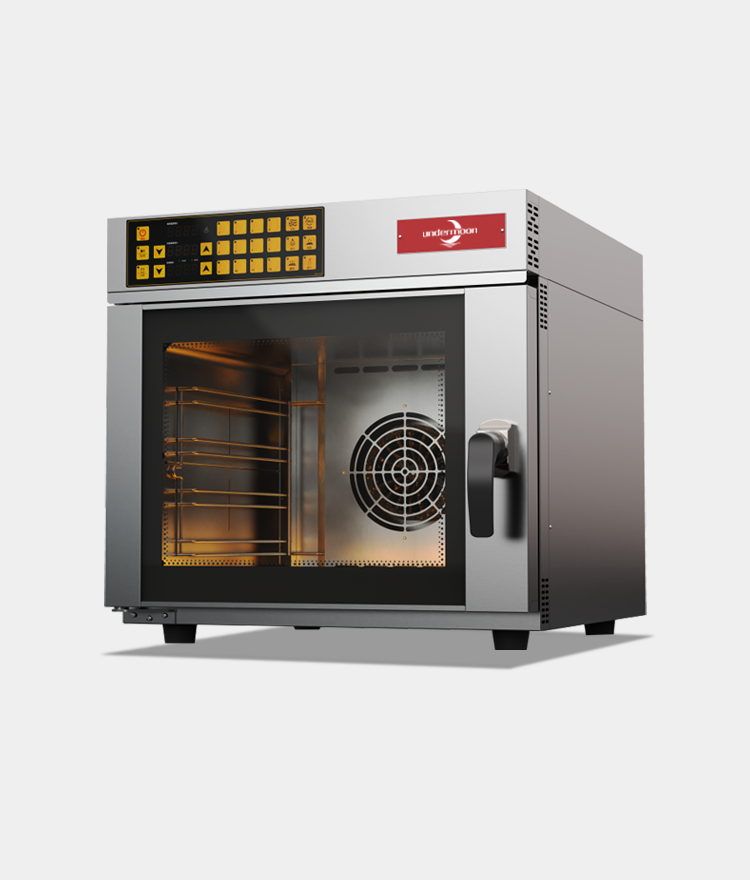
For faster baking times and a wider range of uses for pastries, cookies, and some types of bread, convection ovens use forced air movement to move heat quickly. The moving air keeps the temperature even inside the room, which can handle different amounts of products. Moving air, on the other hand, can dry out bread surfaces too quickly, stopping the crust from developing properly, which is what makes handmade breads unique.
Deck ovens give off radiant heat that makes baking on a stone fire feel like it's happening. This way of heating lets you control the release of wetness, which is important for making thick, crispy crusts on sourdough and European-style breads. The steady, still air makes it possible for steam pumping devices to work well, which improves the crust's properties even more. Bakeries that want to make traditional bread are okay with slightly longer baking times like deck oven technology because the end product is better.
Top Brands, Suppliers, and Procurement Tips for Single Deck Bread Ovens
Choosing reliable makers and distributors of single deck commercial bread baking ovens affects the standard of equipment support after the sale and the business's long-term success. Well-known companies do research and development to keep making their heating systems, control systems, and parts last longer and work better. These businesses spend money on quality control methods that include picking the right parts, managing the production process, and checking the finished product. These steps directly lead to lower failure rates and longer machine life.
Evaluating Manufacturer Credentials and Capabilities
Procurement professionals should look at a possible supplier's manufacturing knowledge, output scale, and quality certifications when evaluating them. Companies that have been making industrial baking tools for 20 years or more have shown that they are good at heat engineering, choosing materials, and helping customers. Their well-developed production management systems make sure that the quality of their output stays the same across all production runs. This keeps batch-to-batch differences to a minimum, which could hurt the performance of their equipment.
Compliance with market and safety standards can be seen in certification files. CE certification proves that the product meets the standards of the European market, while ETL, UL, and NSF marks prove that the product meets the safety and sanitation standards of North America. RoHS recognition shows care for the earth by controlling banned hazardous substances. These licenses give you peace of mind that the tools you're using meet strict international standards. This keeps your business safe from the risks of not following the rules.
Customization Capabilities and OEM/ODM Services
Chain operations and private label buyers can benefit from manufacturers who offer open customization services. Options for customization should include power settings that meet local electricity standards, language and interface choices for the control panel, and changes to the capacity that meet specific production needs. Companies that can do OEM/ODM customization can change product specs, branding elements, and packaging to help you reach your goals for operating standards and market positioning.
Customization goes beyond just changing how things look. Changes in gas types, special insulation packages for very cold or very hot environments, and built-in steam pumping systems are all examples of technical modifications that show how skilled the engineers and manufacturers are. With these customization options, procurement teams can choose equipment that perfectly fits working settings instead of having to settle for standard configurations that might not work well or need expensive changes.
Sourcing Channels and Supplier Verification
When compared to multiple distribution methods, buying directly from the plant often saves money and improves communication. By working directly with makers, you can visit their factories to look at how they make things, how they check for quality, and how they get their parts. These evaluations give buyers trust in the supplier's skills and find any possible red flags before they agree to a purchase.
For foreign purchases, check the seller's experience exporting and how quickly they can load containers. Exporters with a lot of experience know what paperwork is needed, how to ship things, and how to keep things from getting damaged by packing and protecting them properly. Because they are familiar with foreign standards and customs procedures, they can speed up delivery times and avoid problems with shipments that could cause equipment to arrive late and cause installation delays.
Making the Final Decision: Matching Bakery Needs with Oven Features
It's necessary to do a thorough study of production scale, product portfolio, and growth paths in order to make sure that single deck commercial bread baking oven specs are in line with practical facts. Small bakers that make 50 to 150 loaves a day find that these units are the right size for them, so they don't have to deal with the extra space and higher costs of running bigger machines. Medium-sized businesses like being able to put several single deck commercial bread baking ovens in different production areas, each one devoted to a different type of bread or recipe.
Calculating Return on Investment and Total Cost of Ownership
Besides the purchase price, investment analysis looks at things like building costs, energy use, upkeep needs, and expected lifespan. When used in a business setting, good single deck commercial bread baking ovens usually last between 8 and 12 years with regular upkeep. When you divide the total cost of ownership by the estimated amount of production, you get the cost per unit of the equipment. These costs can then be compared to the price of the product and the profit margin.
Using less energy has a direct effect on ongoing costs. An oven that uses 6.6KW and runs for six hours a day uses about 40KWh of energy, which can cost anywhere from $400 to $600 a month based on the electricity rates in your area. Models with better insulation and more efficient heating elements cut this use by 15-20%, saving $800 to $1,500 a year. This pays for the higher initial purchase prices within two to three years.
Learning from Industry Implementation Examples
A regional bakery company that is starting to make artisan bread recently put single deck commercial bread baking ovens in seven of its sites. The small footprint made it possible to place in prep areas that were already there, saving money on costly upgrades. Standards made it easier to train staff; when bakers moved from one place to another, they didn't have to learn how to use the tools all over again. The 0.3‰ failure rate meant that there was little downtime during the 18 months of running. All seven units only needed two repair calls.
A group of hotels that wanted to add breakfast service picked single deck commercial bread baking ovens because they are easy to use and always work well. The kitchen staff quickly learned how to use the automatic controls and were able to make reliable croissants, muffins, and bread rolls. Because the upper and lower heating parts were separate, different goods could be baked at the same time, making the most of the equipment during peak breakfast hours.
Conclusion
When looking for the best single deck commercial bread baking oven, you need to weigh technical specs, the reliability of the provider, and the needs of your business. Good equipment has accurate temperature control, strong construction made of stainless steel, good insulation, and separate heating parts. Instead of just looking at the purchase price, it's important to look at the total cost of ownership, which includes things like how much energy they use, how often they need to be maintained, and how long they're expected to last. Manufacturers with a good reputation show their dedication by getting multiple certifications, letting you make changes, and offering quick expert help. You can be sure that the baking equipment you buy will give you consistent results, be easy to use, and give you a good return on your investment over many years of business use if you carefully compare your production rate, product types, and growth plans to the different types of equipment that are available.
FAQ
What maintenance schedule should I follow for single deck commercial ovens?
Regular repair keeps single deck commercial bread baking ovens running well and makes them last longer. As part of daily tasks, you may need to wipe down the inside of things and check the door locks for damage. As part of weekly care, the inside is thoroughly cleaned, and the state of the heating elements is checked. Once a month, certified thermometers should be used to check the accuracy of the control and look for wear or rust in the electrical connections. Professional maintenance done once a year by experienced experts protects the heating element's integrity, the controls' accuracy, and the insulation's effectiveness. Manufacturers usually include detailed repair schedules in operation guides. Following these rules keeps parts from breaking down too soon and keeps the energy economy at its best.
Can single deck ovens handle varying production volumes?
Single deck commercial bread baking ovens can handle changing production needs by switching between batches instead of running all the time. If you plan your shift well, a two-tray setup that bakes 10 to 12 loaves per turn can make 100 to 150 loaves in 8 hours. This size is good for bakers that don't need a lot of bread every day or that put quality over quantity. When a facility's volume grows a lot, it may need multi-deck setups or more single-deck units instead of pushing its current equipment past its planned capacity, which can affect the quality of the product and speed up the wear and tear on its parts.
What operational lifespan can I expect from quality single deck ovens?
Single deck commercial bread baking ovens that are well-made and used in businesses usually last between 8 and 12 years if they are properly maintained. Important factors that affect lifespan are the quality of the building, how often it is used, how often it is maintained, and the conditions of the surroundings. Ovens made of high-quality stainless steel and heating parts with the right ratings last 40 to 60 percent longer than cheaper options. Operations that stick to cleaning plans and take care of small problems right away keep damage from getting worse, which shortens the life of equipment. The very low failure rate of 0.3‰ in quality models shows strong engineering and careful choice of parts that can withstand long-term use in business.
Partner with Undermoon for Your Commercial Baking Equipment Needs
Undermoon has 20 years of experience making single deck commercial bread baking ovens, which they can use to help you make your choice. Our equipment, like the SL-KXD1-2, gives procurement managers the exact temperature control, energy efficiency, and dependability they need. As a seasoned single deck commercial bread baking oven manufacturer, we have strict quality control systems that cover every step of the production process, from choosing the parts to doing the final factory inspection. This way, we can make sure that the ovens always work at a level that meets the high standards of commercial baking.
Our full range of customization services can change power settings, control interfaces, and capacity specs to fit your exact needs. For distributors and chain companies that want private label solutions, we offer OEM/ODM relationships. Our equipment is certified by CE, ETL, UL, NSF, and RoHS, which means it meets the standards of foreign markets.
Email our technical team at undermooncn@gmail.com to talk about your unique production needs, get full specs, or set up a time to see how the equipment works. For single deck commercial bread baking ovens for sale, we offer quick technical support, reasonable prices, and reliable export experience that makes buying things from other countries easier. You can see all of our products at jslg888.aixdb.cn.
References
1. Modernist Bread Team. "Commercial Baking Equipment: Design, Function, and Selection Criteria. "Modernist Cuisine Publishing, 2022.
2. American Society of Baking Engineers. "Thermal Efficiency Standards for Commercial Deck Ovens." ASBE Technical Manual Series, 2021.
3. National Restaurant Association. "Commercial Kitchen Equipment Procurement Guide for Food Service Operations." NRA Educational Foundation, 2023.
4. Bakery Production and Marketing Journal. "Comparative Analysis of Single Deck versus Multi-Deck Oven Configurations in Commercial Applications." Volume 48, Issue 3, 2022.
5. International Association of Culinary Professionals. "Energy Consumption Patterns in Commercial Baking Equipment: A Five-Year Study." IACP Research Division, 2023.
6. Food Equipment Manufacturers Association. "Quality Standards and Certification Requirements for Commercial Baking Ovens in International Markets." FEMA Technical Publication 2022-07.
Online Message