Sep 28, 2026
How to Clean and Maintain Your Single Deck Commercial Electric Oven 1 Tray
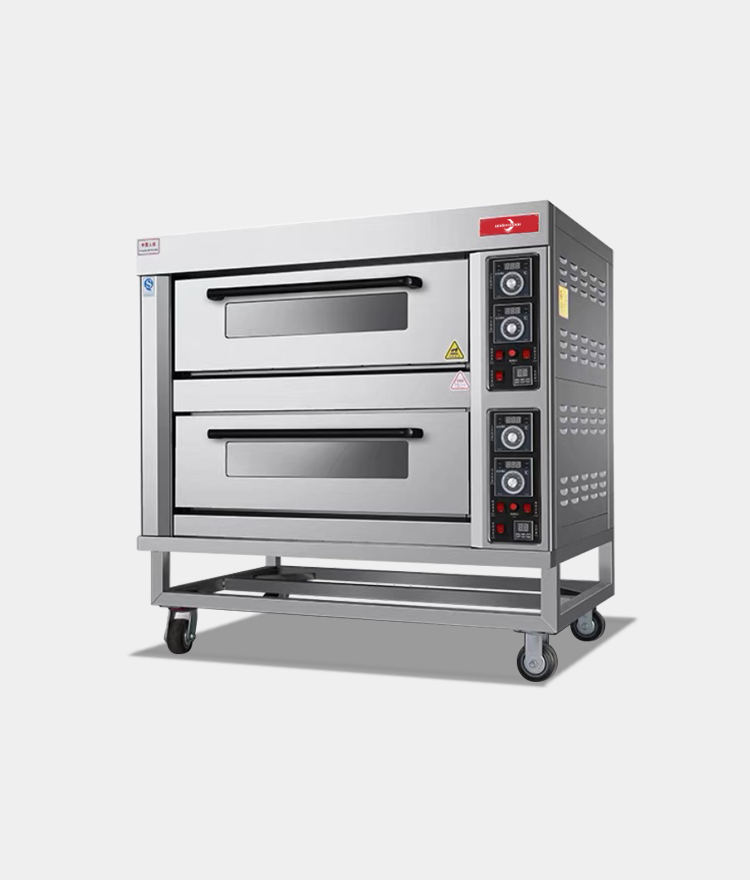
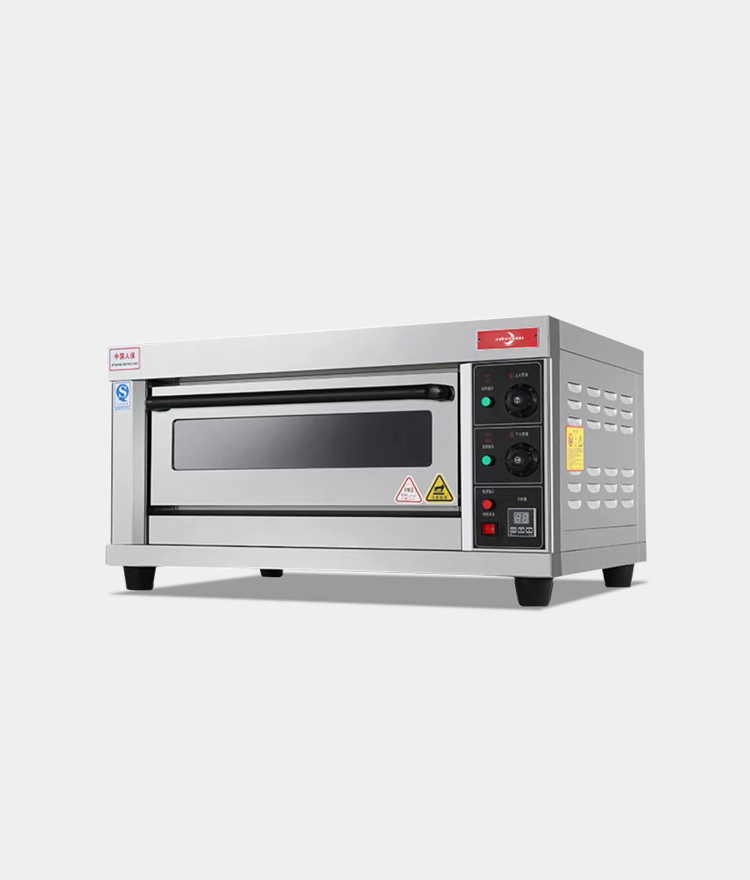
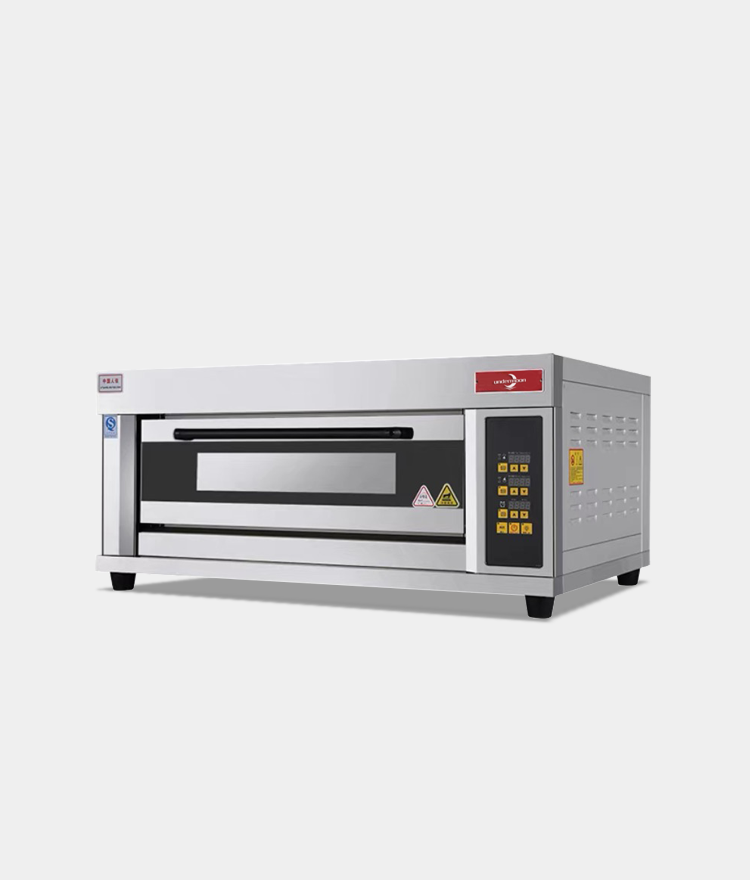
Proper cleaning and maintenance of your single deck commercial electric oven 1 tray directly impacts product consistency, equipment longevity, and operational costs. This compact unit, typically measuring 920×605×490mm and powered by 3.2kW at 220V, requires specific care protocols to maintain its independent upper and lower heating elements, preserve the stainless steel construction, and ensure the mechanical knob controls function reliably. Regular upkeep prevents grease accumulation that hampers heat distribution, reduces energy waste, and protects your investment while meeting health code compliance standards expected in coffee chains and bakery operations.send inquiry.
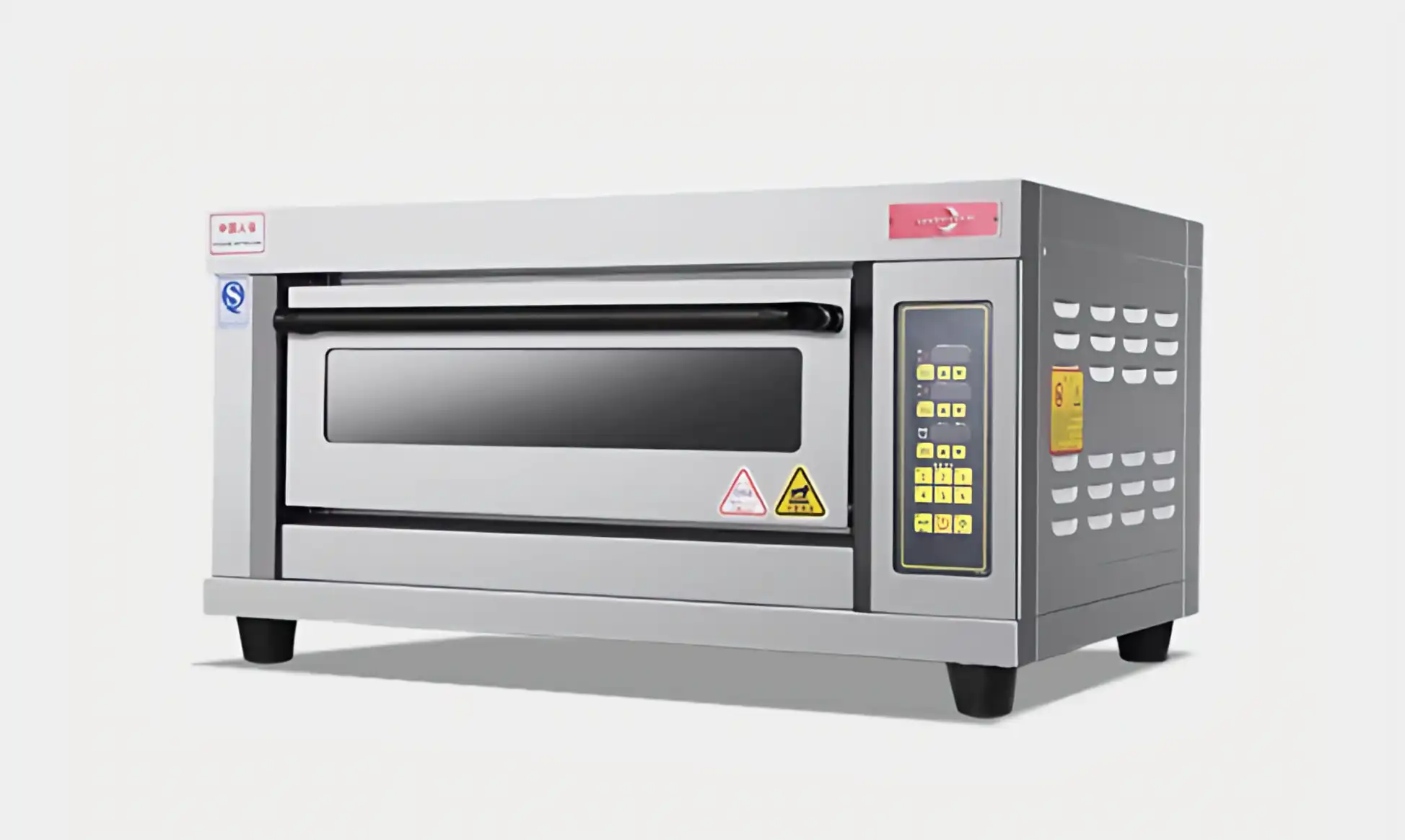
Understanding the Cleaning and Maintenance Needs of Your Single Deck Commercial Electric Oven 1 Tray
In places with a lot of change, commercial electric deck ovens have to work in tough circumstances. Sticky buildups like croissant butter residue, pizza cheese splatter, and bread steam droplets make baking less effective. When grease builds up on the oven's heating elements or chamber walls, it makes it harder to reach the right temperature. This leads to uneven browning and longer baking times, which slows down service during busy times.
Why Regular Maintenance Matters for Coffee Shop Operations
When coffee chains add light food items to their menus, they face new difficulties. Even though your baristas aren't trained pastry cooks, they need to be able to make croissants and small cakes consistently all day. When an oven isn't taken care of properly, the results are uncertain, which makes staff and customers unhappy. When the unit has to work harder to keep the temperature stable because the insulation is dirty, energy bills go up. When equipment breaks down during the busy breakfast hour, businesses lose money and their reputation takes a hit.
Common Performance Issues From Neglected Cleaning
Temperature changes happen when residue keeps air from moving or covers thermostats. When acidic chemicals from baking get on door locks, they break down faster. Under layers of carbonized material, heating elements break down too soon. These failures usually happen without notice, necessitating calls to emergency services that slow down operations in multiple locations and make it harder to plan supplies across your chain.
Protecting Your Procurement Investment
When operations directors buy equipment for companies with 50 to 200 employees, they need to make sure that the investment will pay off. Total cost of ownership is directly affected by how maintenance is done. Ovens that are well taken care of don't need major repairs for years, but ovens that aren't taken care of need parts replaced every 18 months. Damage from poor cleaning is often not covered by warranties. This is why organized care is so important to protect your capital investment and avoid unexpected replacement costs during periods of rapid growth.
Step-by-Step Cleaning Process for Single Deck Commercial Electric Oven 1 Tray
Setting clear cleaning methods makes sure that even staff who aren't experts can take care of tools correctly. single deck commercial electric oven 1 trays make this process easier than complex multi-deck systems because they have a small footprint and mechanical controls.
Safety Preparations Before Cleaning
Before you clean, you should always turn off the power fully. When water touches live parts of the 220V system, it can cause electrocution. After turning off the power, let the room cool down to below 50°C. This usually takes 45 minutes. Take out all of the trays and racks to fully reach the inside areas. This cooling time also keeps stainless steel surfaces from getting thermal shock, which can cause them to warp when temperatures change quickly.
Essential Cleaning Tools and Agents
Instead of making do, commercial kitchens benefit from using specialized supplies. Soft sponges that don't scratch protect stainless steel finishes. Alkaline degreasers that are safe for food work better than dish soap at getting rid of baked-on grime. Soft-bristle brushes can get into cracks around heating sources without hurting delicate parts. Microfiber cloths clean without leaving streaks. Don't use steel wool or rough scouring tools on metal because they break protection coatings and make holes for rust to enter.
Daily, Weekly, and Monthly Cleaning Schedules
At the end of the day, daily tasks take 10 minutes. Wipe down the inside walls and glass door while they are still a little warm to make getting rid of residue easier. Get rid of the crumbs that have gathered on the room floor. This stops smoke from forming during the preheating period the next day. For a deep clean once a week, you need to take the racks out and soak them in a degreaser solution. You should also carefully scrub the areas around the heating element and clean the door gaskets with mild detergent. Every month, maintenance tasks include checking and cleaning the back ventilation panel, making sure the doors are lined up correctly, and using an oven temperature to make sure the thermostat is working correctly. This tiered method strikes a good balance between thoroughness and speed, letting baristas do regular care without special training while pointing out problems that need technical help.
Proper Technique for Heating Element Care
The upper and lower heating tubes are separate and need to be handled carefully. Do not spray cleaning solution directly on things that are hot or warm. Instead, use cleaner on a wet cloth and wipe down the parts only after they are completely cool. Building up residue on heated tubes makes them less effective and leads to uneven baking. Check tubes once a month for rust or sinking signs that they need to be replaced before they break completely while they're in use.
Maintenance Tips to Optimize the Performance and Longevity of Your Single Deck Commercial Electric Oven 1 Tray
In addition to cleaning, regular maintenance stops problems before they happen and raises the useful life of tools from five years to over ten years.
Regular Component Inspections
In single deck commercial electric oven 1 tray business settings, door hinges are always under a lot of stress. If you hear squeaking or looseness once a month, that means you need to lubricate it. The metal knobs should be able to turn freely and not get stuck. Jerky movement is a sign of internal wear that needs to be fixed by a professional. Door seals need to stay in contact with the outside of the door all the way around. Gaps let heat escape, which loses energy and makes the temperature of the room uneven. To keep things running smoothly, replace old seals right away.
Temperature Calibration and Accuracy
Accurate temperature control is what makes professional results different from those of beginner bakers. Every three months, use a certified oven thermometer put at tray level to check the oven's accuracy. Set the mechanical knob to 180°C and wait 30 minutes for the temperature to level off. Check the reading on the thermometer against the temperature that was set. If the temperature difference is more than ±5°C, a trained expert must recalibrate the thermostat. This easy test finds drift before it ruins whole batches of cakes or makes it hard for staff to figure out why results aren't being consistent.
Troubleshooting Common Operational Issues
Uneven browning is usually a sign of a broken door seal or an uneven heating element, not a broken thermostat. Insulation decay or power source problems could be the cause of longer preheat times. If your circuit breakers trip, you have an electrical problem that needs to be looked at right away by a professional. By teaching store managers to spot these patterns, you can tell the difference between cases that need quick fixes and those that need technical help. This cuts down on service calls that aren't necessary and finds major problems early.
When to Request Professional Service
If you smell electricity, see sparks, or see error messages, you need to shut down the system right away and have an expert look it over. Professional checks done once a year by recognized service providers find wear patterns before they cause problems. Technicians use special diagnostic tools that regular cooking staff can't get their hands on to check the insulation resistance, the heating element draw, and the stability of the control panel. Along with daily operator care, this professional oversight makes up full maintenance coverage.
Choosing the Right Cleaning and Maintenance Solutions for Your Business Needs
Choosing the right cleaning methods and service partners can affect both short-term costs and the long-term dependability of equipment.
Comparing Cleaning Approaches
Most of the time, single-tray ovens only need to be cleaned by hand with commercial degreasers. The small interior makes it easy to get to everything without any special tools. Chemical oven cleaners make deep cleaning faster, but you have to be careful which ones you use so you don't damage the stainless steel or hot elements. Always make sure that the product works with the manufacturer's instructions. Mechanical control models don't usually have self-cleaning features, which keeps the cost of purchase low but requires more maintenance work.
Selecting Service Providers and Genuine Parts
OEM-authorized repair networks know how to fix single deck commercial electric oven 1 tray equipment and have original new parts on hand. Third-party parts might fit physically, but they haven't been tested for performance, which could mean that the guarantee isn't valid. When buying tools, make sure you know how long it will take for help to arrive and what parts are available in the areas where you do business. When a chain has stores in more than one city, it needs suppliers that can provide consistent support across the country, not just localized service that leaves some stores unsupported.
Warranty Considerations and Compliance
Using the wrong cleaning products or making changes without permission can usually void manufacturer warranties. Keep service records and write down all repair actions to show that you're following the warranty terms. When problems with the tools happen during the coverage times, this paperwork comes in handy. Some sellers offer extended warranty packages that include regular professional maintenance visits. This turns the unpredictable cost of repairs into set costs that are easy to budget for when planning for multiple units.
Integrating Cleaning and Maintenance into Your Procurement Strategy
Operations directors who are ahead of the curve think about the equipment's lifetime maintenance needs when they buy it, not after the fact.
Evaluating Suppliers Beyond Initial Price
Even tho the specs are the same, the durability of equipment from different manufacturers varies a lot. For example, suppliers who have been making things for 20 years, like known industrial oven experts, have a long history of reliability. Ask for customer references from businesses that work in a similar way, like coffee chains that have bakeries attached instead of separate bakeries. Find out how long normal parts last and how much new parts cost to get a good idea of how much the whole thing will cost to own.
Negotiating Comprehensive Service Agreements
When you buy in bulk, you can get better rates on servicing contracts. When preparing more than one place, try to get deals that include installation, training for staff, and regular maintenance visits. Some sellers offer financing plans that include the cost of the tools and ongoing service, which makes budgeting easier. Make it clear what the response time guaranties are and what backup equipment is available for situations of rapid expansion where delays affect opening times.
Customization Options That Simplify Maintenance
Standard 220V setup means that electrical changes don't have to be made when a place is being built out or when equipment is being moved. Voltage options that can be changed work with plans for international growth. Compared to digital interfaces, mechanical knob controls have fewer places where things can go wrong, making long-term maintenance easier. Having everything made of stainless steel makes cleaning easier than having patterns made of different materials that need different care instructions. These choices about specifications have a direct effect on the work that everyone in your growing chain has to do.
Conclusion
Your single deck commercial electric oven 1 tray small commercial oven can be a headache, but if you clean and maintain it regularly, it can become a reliable source of income. Wipes are used every day, deep cleaning is done once a week, and checks are done once a month to stop performance loss that makes baristas and customers unhappy. Temperature calibration and component inspections find problems early, so they don't happen in the middle of the morning rush. Using qualified service providers and original replacement parts saves your guarantee and makes sure that your multi-location operations will be reliable for a long time. When maintenance planning is part of the buying process, it helps choose long-lasting, easy-to-fix pieces of equipment that support long-term chain growth instead of adding to the ongoing work of operations.
FAQ
How often should I perform deep cleaning on my commercial electric deck oven?
How often you deep clean depends on how often you use it. Coffee places that make 20 to 30 cakes every day should do a deep clean once a week, taking out all the racks and cleaning the inside of the machines very well. Operations with more work may need to be checked on twice a week. A professional check once a month goes along with the operator's cleaning and finds problems that would not be seen during regular care.
Does improper cleaning void my equipment warranty?
Most makers don't cover damage caused by cleaning products or methods that aren't approved. Using rough materials that scratch surfaces or chemical cleaners that eat away at parts usually breaks the warranty. Always use the products and refer to the repair instructions that came with the equipment. Write down your cleaning methods and products so that you can show that you followed the instructions if a guarantee claim comes up.
What early warning signs indicate I need professional service?
If the temperature changes even after cleaning, if it makes strange noises while it's running, or if you can see that the heating element has changed color, you should get it checked out by a professional. When electrical smells or switches trip, the system must be shut down right away and checked by a professional before it can be used again.
Partner With Undermoon for Reliable Commercial Baking Solutions
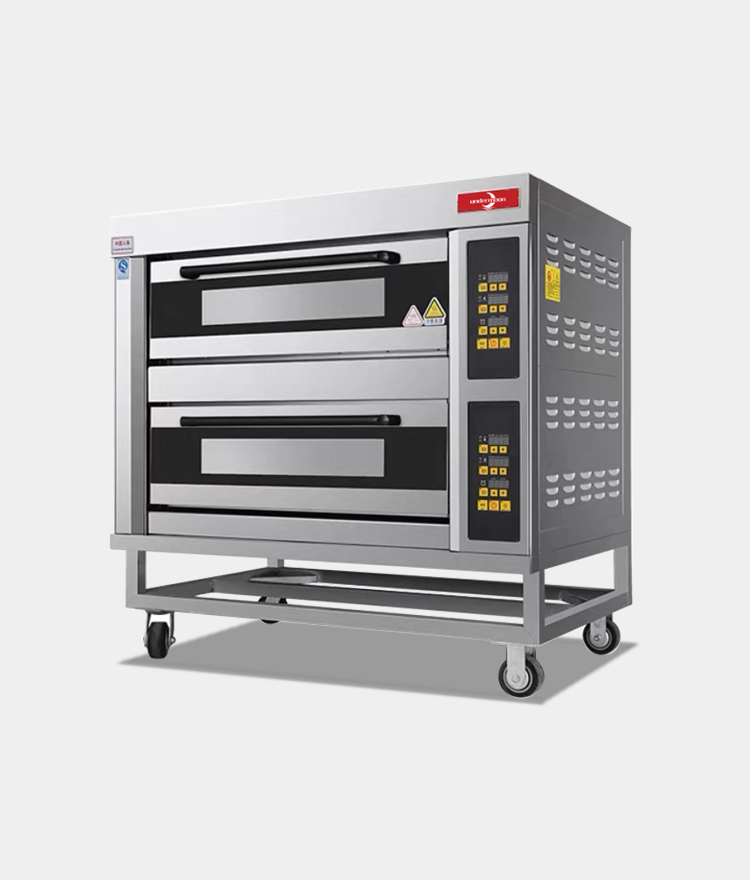
Undermoon has been making commercial ovens for 20 years and works with coffee chains and light bakeries all over the world. Our credentials as a supplier of single deck commercial electric oven 1 tray include stringent quality checks, real component sourcing, and full after-sales support for businesses with multiple locations. The 920x605x490 mm size is small enough to fit in coffee shops with limited space, but it can bake professionally thanks to its separate heating settings and 400°C temperature capability. We can change the voltage settings, plug types, and tray dimensions to fit your exact operational needs. Our OEM/ODM services also support programs for branded equipment. Email our technical team at undermooncn@gmail.com to talk about the specs of the equipment, the best way to buy it in bulk, and maintenance support packages that are made to fit your expansion schedule. You can look at our full line of products at jslg888.aixdb.cn and get detailed specs for your upcoming location buildouts.
References
1. Chen, M. (2021). Commercial Kitchen Equipment Maintenance: Best Practices for Foodservice Operations. Hospitality Press.
2. International Foodservice Manufacturers Association. (2022). Energy Efficiency Standards for Commercial Cooking Equipment. IFMA Technical Report Series.
3. Johnson, R., & Park, S. (2020). Preventive Maintenance Protocols for Electric Deck Ovens in High-Volume Bakeries. Journal of Culinary Equipment Technology, 15(3), 78-92.
4. National Restaurant Association. (2023). Equipment Care Guidelines for Chain Restaurant Operations. NRA Educational Foundation.
5. Thompson, L. (2022). Total Cost of Ownership Analysis for Commercial Baking Equipment. Foodservice Equipment Journal, 28(2), 45-58.
6. Williams, K. (2021). Thermal Performance and Maintenance of Single-Deck Commercial Ovens. Professional Baker's Quarterly, 19(4), 112-125.
Online Message
YOU MAY LIKE
High quality furniture manufacturer