Oct 8, 2026
Increase Product Variety with a Multifunctional Commercial Oven
In the world of professional baking today, adding new products is not just a nice thing to do; it's necessary to stay in business. A multifunctional commercial baking oven gives your business the flexibility it needs by combining several reliable cooking ways into one unit. If a business wants to make artisan sourdough, delicate French pastries, or a lot of sandwich rolls, they can use modern deck ovens with precise controls to test new recipes, adapt quickly to market trends, and meet the needs of a wide range of customers without having to buy separate equipment for each type of product. Bakeries, central kitchens, and restaurant groups across North America can gain a competitive edge and make more money with this feature.send inquiry.
Understanding Multifunctional Commercial Baking Ovens and Their Role in Expanding Product Variety
Learning about multifunctional commercial baking ovens and how they can help you make more products
Commercial baking needs tools that can adapt to changing production needs while keeping the standard of the output high. Modern baking systems combine different types of thermal processing into a single space by using radiant heating elements, convection heat distribution, and changeable steam input. This engineering method solves important operational problems, such as inconsistent product quality due to uneven heat patterns, inefficient labor caused by making recipe changes by hand, and the high cost of keeping a lot of different units.
What Defines Modern Multifunctional Baking Systems
These professional-grade units are made of high-quality SUS304 stainless steel and high-density ceramic fiber insulation, which keeps the temperature stable up to 300°C. The main technology includes PID controls that keep the temperature accurate to within ±1°C; fan speeds that can be changed and auto-reverse features to make sure of even airflow; and humidity sensors that measure from 0% to 100% saturation. Fast pre-heating processes and short recovery times after doors are opened keep production plans running smoothly during times of high demand.
Applications Across Commercial Baking Operations
Chain bakeries use these systems to make a lot of sourdough. Precise steam bursts give the crust its signature look and feel while keeping the soft crumb texture. Central kitchens that do institutional catering roast meats and steam veggies at the same time, 24 hours a day, seven days a week. They make sure that the flavors don't change because of cross-contamination between racks. High-end grocery delis use cook-and-hold features that make it easy to switch quickly between baking for breakfast, making roasted chicken for lunch, and making pastries in the evening, so the results are always the same, even if the staff's skills vary.
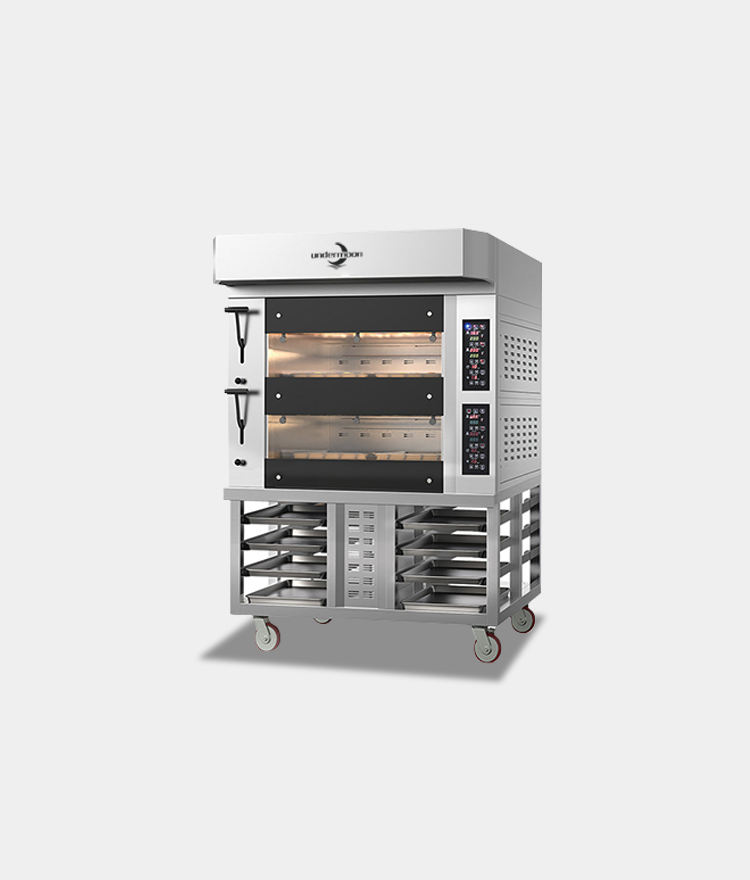
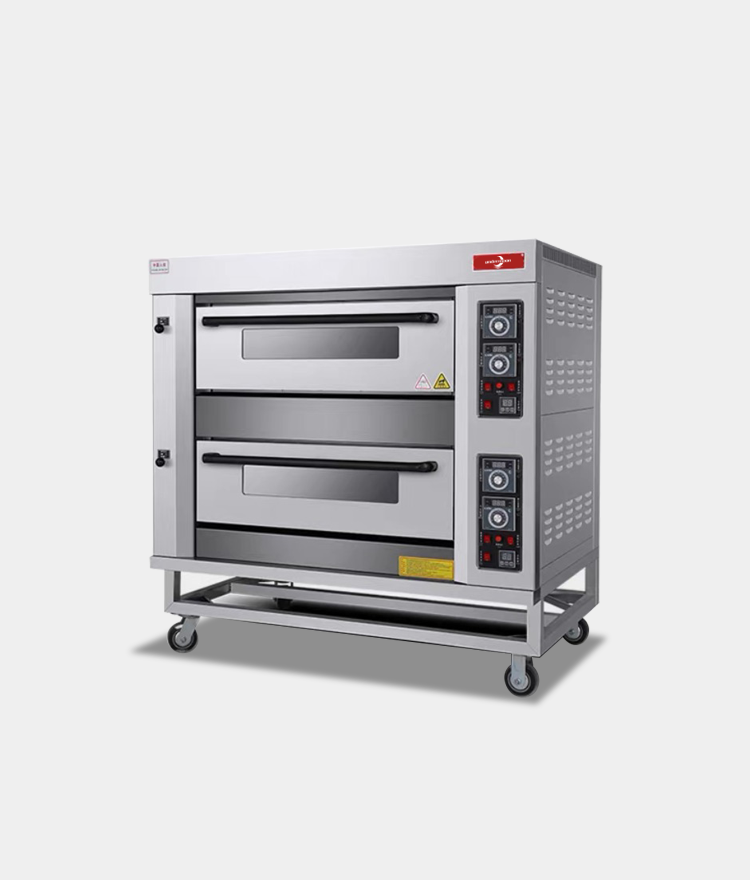
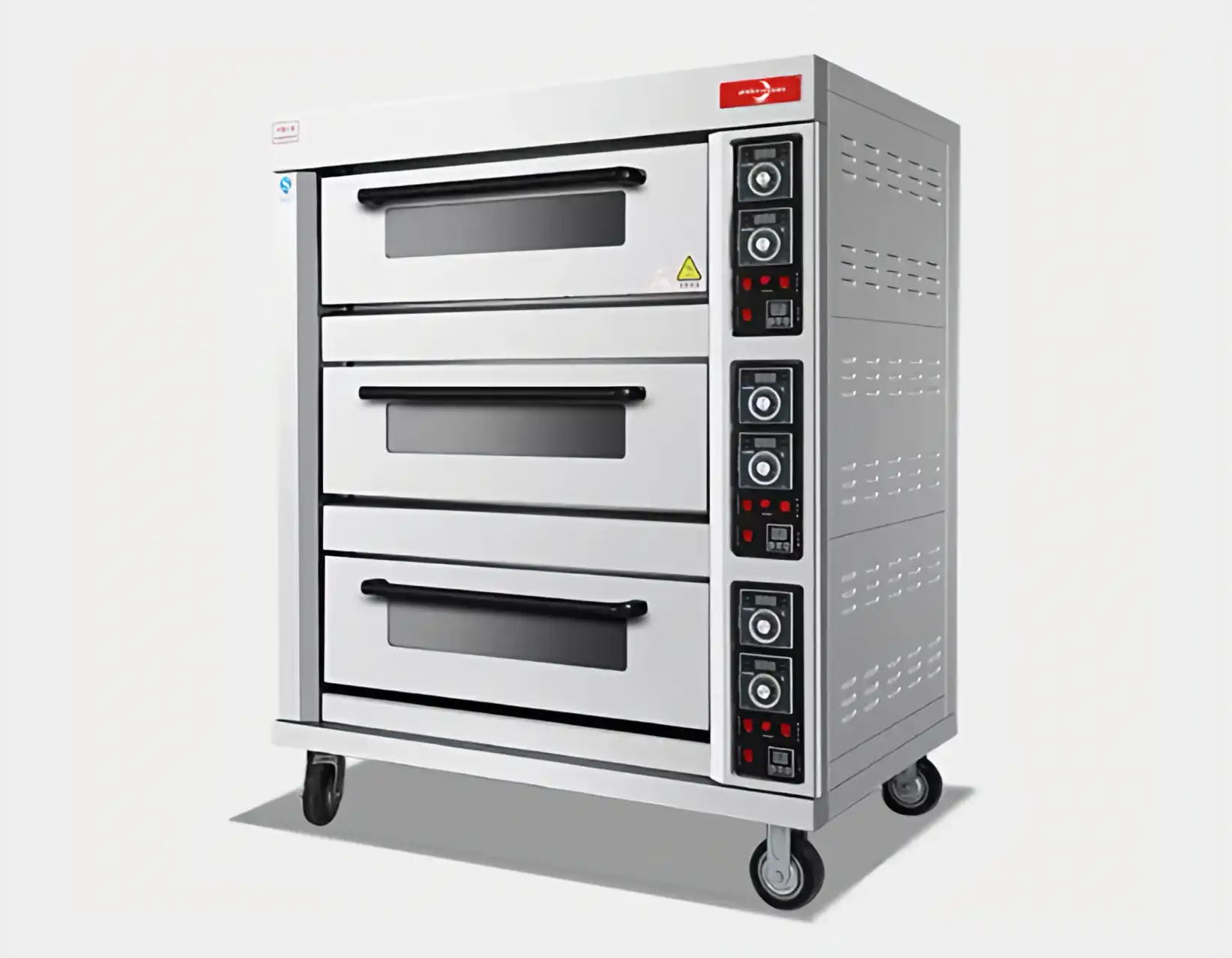
With its three separate decks, our SL-KXD3-9 model is a great example of this flexibility. Each deck can hold three full-size trays, for a total of nine trays. This is perfect for big bakers, baking chains, and central kitchens that need to make a lot of batches at once. The temperature and time settings are easy to understand thanks to the mechanical control interface's buttons. This lets workers make changes quickly without having to deal with complicated digital navigation. This machine can handle a wide range of temperatures, from room temperature to 400°C. At lower temperatures, it can slowly proof delicate croissants, and at higher temps, it can finish pizza crusts.
Comparing Multifunctional Commercial Baking Ovens with Traditional Oven Types
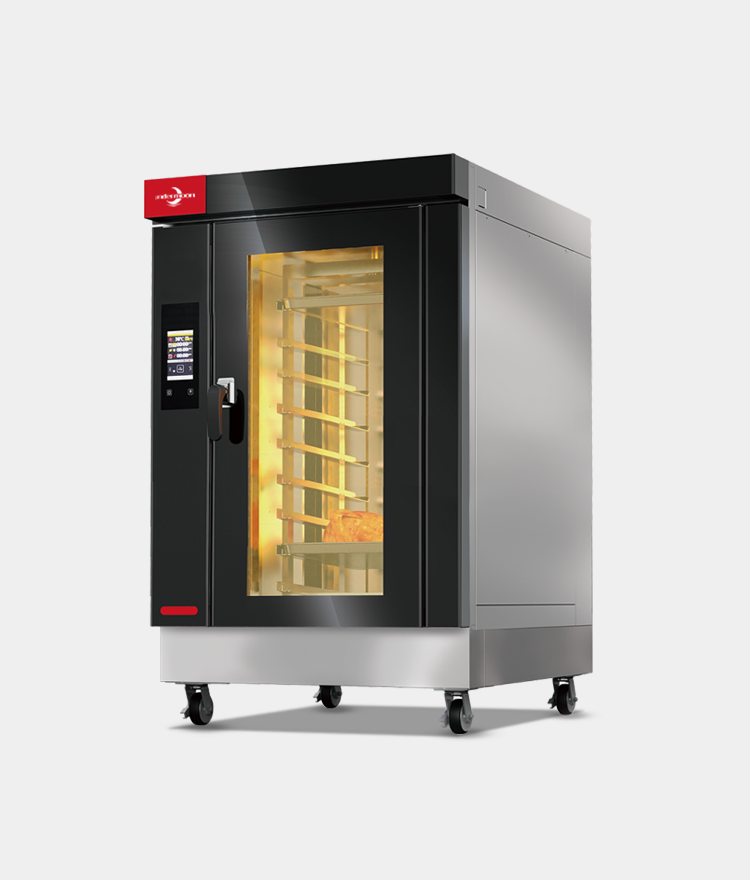
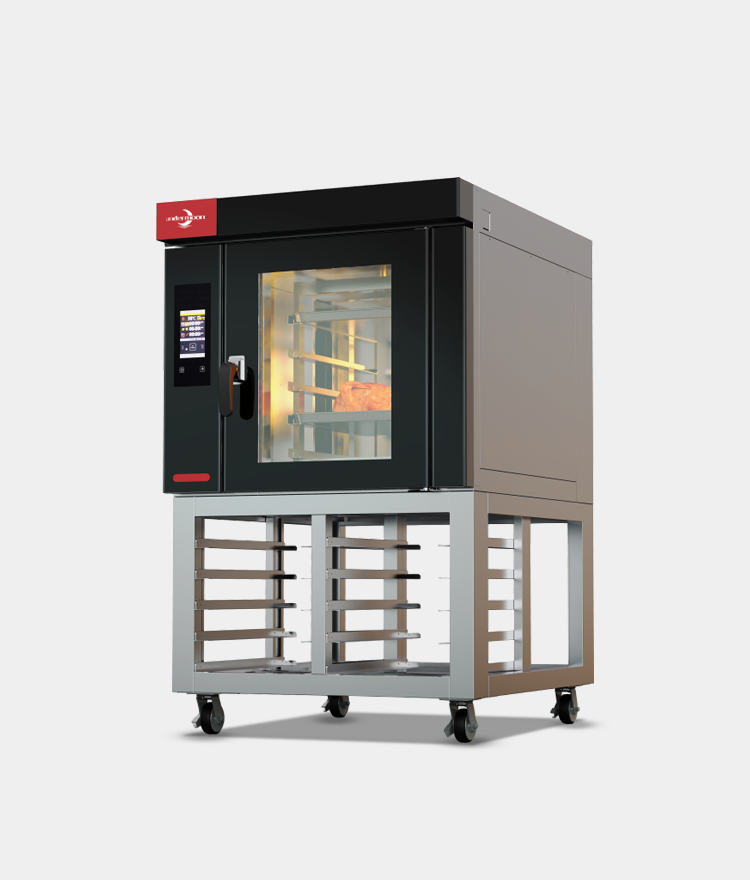
When purchasing managers look at new tools, they need to know how integrated systems and regular specialized ovens work differently. Traditional convection ovens are great at moving air evenly, but they don't have the humidity control that European-style breads need. Deck ovens are great for baking over a fire, but they don't work well for things that need steam input. Rotary rack ovens have a lot of space, but the temperature isn't always accurate across all of the shelves.
Performance and Capacity Considerations
These features can be combined in multifunctional commercial baking ovens using modular engineering. Three-dimensional balanced heating makes sure that the temperature is the same on all deck levels, getting rid of the cold spots that are common in older equipment. Because the heat is distributed evenly, the bottom deck and the top deck produce the same results. This is important for keeping the quality of the product consistent when finishing big orders. The small size (1640 x 805 x 1500 mm) makes the best use of room, taking up almost no floor space while producing as much as several single-function units.
Durability and Long-Term Value Assessment
The total cost of ownership is directly affected by the quality of the building materials used. Heavy-gauge stainless steel bodies don't rust in high-humidity bakeries, so they stay structurally sound even after years of heavy daily use. Not only does thicker insulation save energy, it also covers the outside of buildings, lowering the risk of heat illness in the workplace and making the kitchen safer. Component longevity testing, which includes extended life cycles of up to 50,000 opening cycles for door gaskets and hinges, makes sure that the equipment will work reliably for its entire service life. These technical standards are in line with CE, UL, and NSF approvals. They focus on making sure that materials are safe for food and don't interfere with electromagnetic fields.
Selecting the Right Multifunctional Commercial Baking Oven for Your Business
Misalignment between capability and demand can be avoided by matching equipment specs to output needs. When making a purchase choice, it's important to look at more than just the original purchase price. The total cost of ownership, energy efficiency metrics that affect running costs, and repair ease that affects downtime should all be taken into account.
Capacity Alignment for Different Operation Scales
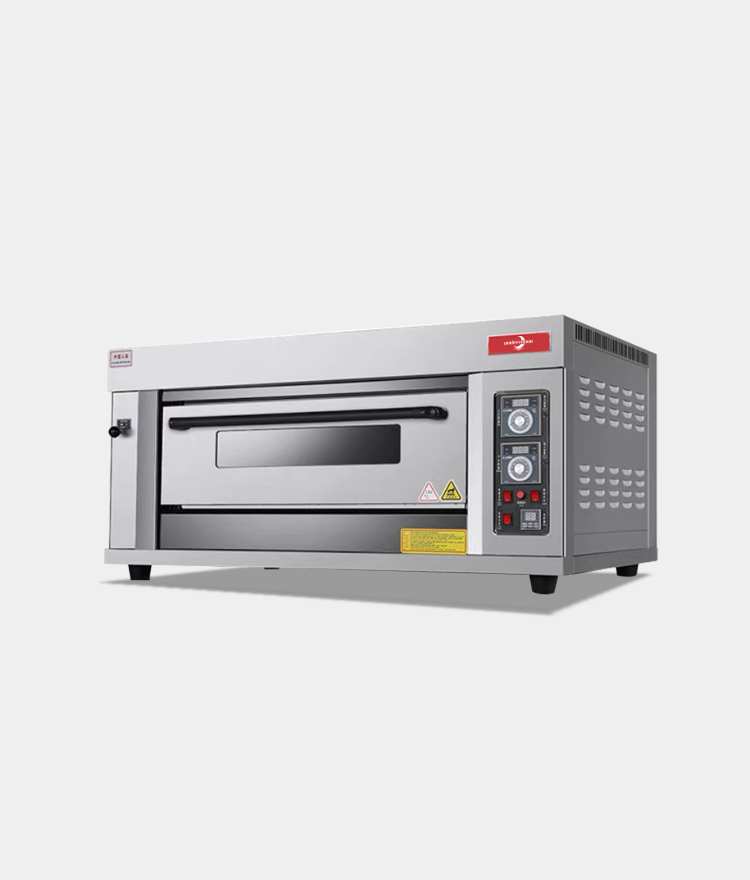
Small artisanal bakers that make 200 to 400 units a day can use single- or double-deck setups that give them menu options without taking up too much space. Triple-deck systems like our SL-KXD3-9 type are needed by mid-sized businesses like hotel restaurant groups and regional baking chains that process 800 to 1,200 units every day. Large industrial bakeries and central kitchens that make more than 2,000 units a day should think about installing more than one three-deck system or looking into customization options for larger tray layouts.
With nine trays, you can bake different kinds of goods at the same time. For example, three trays of baguettes are baked at 240°C on the bottom deck, three trays of croissants are baked at 190°C on the middle deck, and three trays of cookies are baked at 175°C on the top deck. With this separate deck operation, there are no more production delays caused by having to wait for single-function ovens to finish their cycles before starting to work on other goods. Your business doubles its output by making the most of its tools during working hours.
Manufacturer Selection and Support Infrastructure
Working with well-known makers has real benefits that go beyond the quality of the products. Because we've been making professional baking tools for 20 years, we've gained a lot of technical knowledge and honed our production methods. This experience leads to better designs that solve problems in the real world, like stronger hinge parts that can handle heavy use, better door seal designs that keep the temperature inside the room constant, and control panel layouts that work best in busy production areas.
Professional makers can customize their products, which sets them apart from people who just sell tools. In North American countries, the voltage configuration changes to match local electrical norms. Gas-type customization lets you choose between natural gas or propane as a power source, depending on the infrastructure of the building. Changes to the panel style match the look of current kitchens in hotels and restaurants. Changes to the capacity specifications are made to meet the individual needs of production. With our OEM/ODM services, importers and wholesalers can sell private-label equipment that is backed by the quality of the making.
Procurement and Integration: From Purchase to Operational Excellence
Getting the right tools requires more than just choosing the right specs and prices. Logistics coordination, installation needs, commissioning processes, and ongoing support structures are all parts of comprehensive purchase planning that determines the long-term success of operations.
Purchasing Channels and B2B Advantages
Purchasing managers can get a lot of strategic benefits from working directly with manufacturers. Bulk order price lowers the cost per unit for rollouts to multiple locations or kitchen equipment companies supplying new buildings. Large capital investors are easier to handle cash flow when the payment terms are flexible. For example, deposit systems and delivery-based goals can help. Instead of depending on general catalog descriptions, technical advice during specification development makes sure that the multifunctional commercial baking oven chosen really meets the needs of production.
How quickly and easily containers are loaded is very important for foreign importers and distributors who are in charge of international operations. Our regular production base keeps a stock of common multifunctional commercial baking oven configurations so that orders can be filled faster. Packaging engineering protects equipment while it's being shipped by water and makes the best use of shipping space. Having knowledge of export paperwork, such as how to properly prepare certifications, speeds up the customs clearance process.
Installation and Commissioning Best Practices
Professional installation keeps speed problems from happening because of bad setup. Electrical connections must match voltage requirements. For example, our 380V three-phase needs to be checked against the building power source before it is sent out. Enough airflow lets heat escape and keeps the area around the multifunctional commercial baking oven comfortable and safe for operators. Level placement affects the regularity of the baked good because even a small tilt can cause uneven heat distribution and flaws in the finished product.
Before they are used in production, all working factors are tested in a planned way during commissioning. Calibration of the temperature shows that it is accurate across the whole range, from room temperature to 400°C. Verifying the timer function makes sure that the code works well. Checking the door seal prevents heat loss that could affect the performance and efficiency of the multifunctional commercial baking oven. Training for operators that covers mechanical controls, maintenance methods, and simple troubleshooting increases the uptime of technology and makes it last longer.
Post-Purchase Support and Maintenance
Routine repair keeps equipment working well and stops it from breaking down when you least expect it. Checking the balance of the reverse motor and fan once a month stops vibration-related wear. Cleaning the heating elements every three months gets rid of the buildup of dust that reduces the efficiency of heat transfer. Potential problems are found before they stop output by having a professional check once a year that follows ISO-certified preventative maintenance schedules.
The availability of OEM spare parts has a direct impact on the long-term operation of a multifunctional commercial baking oven. Our standard component buying makes sure that new parts are always available, no matter how long the equipment lasts. Things that wear out quickly, like door covers, temperature monitors, and control knobs, ship quickly to keep downtime to a minimum. Technical support is available by phone and email to help with problems and practical questions.
Maximizing ROI: Operational Tips and Energy Efficiency of Multifunctional Commercial Baking Ovens
The value of an investment in equipment is not just based on how much it costs to buy, but also on how well it works over its entire life. Strategic operation management lowers energy costs, boosts output, and extends the service life of a multifunctional commercial baking oven, all of which increase return on investment.
Energy Management Strategies
Optimizing pre-heating cuts down on lost energy during starting times. Spread out production plans so that ovens are always being used, instead of turning on and off too often, which wastes power. Modern systems can heat up quickly, which cuts down on the time needed for pre-heating. However, planning production runs so that heating processes aren't needed as much cuts down on waste. Keep an eye on the real temperature needs of different items—many things bake well at slightly lower temperatures than what standard recipes call for, which saves energy without affecting quality.
Our equipment's thicker insulation successfully keeps heat in, so the temperature can be kept up with little energy input during long baking sessions. The stainless steel structure makes it long-lasting, so the insulation doesn't lose its usefulness over time. This heat efficiency directly leads to lower energy bills, which is especially important for businesses that use ovens for 10 to 16 hours a day.
Production Throughput Optimization
Planning batches strategically makes the most of the nine-tray size edge. To fully use all three decks at the same time, group similar items that need to be baked at similar temperatures and for similar amounts of time. Three-dimensional balanced heating makes sure that the results are the same in all places, so you don't have to worry about the quality of the product changing from one deck level to the next. This makes it possible to schedule large orders with confidence, since each tray provides the same finished goods.
When separate deck controls let different goods bake at the same time, it's possible to add more variety to the menu. Breakfast treats might be made on all decks in the morning, sandwich rolls and flatbreads in the middle of the day, and unique desserts in the evening. Because of this, the company can give more products without having to buy more equipment or set aside more floor room.
Case Study: Regional Bakery Chain Expansion
A medium-sized bakery business with twelve stores had to deal with customer requests for more products than just bread and rolls. There wasn't enough room in the kitchen to add more than one type of oven. After putting in six high-volume three-deck multifunctional commercial baking ovens, they added fourteen new items, such as handmade loaves, European pastries, and seasonal specialty items. Within the same areas, production ability went up by 40%. Compared to their old equipment mix, the cost of energy per unit went down by 22%. Within eight months of expanding the offering, same-store sales went up 18% and customer satisfaction numbers went up a lot. Through more money coming in and lower costs, the investment paid for itself in less than two years.
Conclusion
In conclusion, product range has a direct effect on how companies compete in the business baking market today. multifunctional commercial baking ovens give businesses the freedom to change their recipes, adapt to changing customer tastes, and make the most of their limited space while still producing a lot of food. Accurate temperature control, even heat distribution, and long-lasting building all work together to make sure that the quality of a wide range of products is the same. Energy efficiency, customization choices, and a full support infrastructure are all long-term benefits for procurement pros. When operating best practices are paired with strategic equipment selection that is in line with production needs, throughput, profitability, and market differentiation all improve in a way that can be measured. Buying flexible baking equipment sets up your business for long-term growth and flexibility.
FAQ
Can multifunctional commercial baking ovens really handle a wide range of products well?
Modern systems have separate settings for each deck, which lets them work at different temperatures at the same time. The three-dimensional balanced heating makes sure that the results are the same at all levels. This means that they can be used for a wide range of goods, from delicate cakes that need gentle heat to hearth breads that need high bottom temperatures.
How does the amount of energy used relate to regular ovens that only do one thing?
When compared to running several specialized units, equipment with thicker insulation and better heat control usually uses 25–30% less energy. Heating in one well-insulated room is more efficient than keeping up with several different ovens, especially when production runs for a long time.
What customizing choices take into account the needs of different regions?
Professional makers can set the voltage to meet local electricity standards, adapt the gas type for natural gas or propane systems, change the capacity to fit different production rates, and make changes to the control interface. OEM services let distributors set up a brand name in target areas through private labeling.
Partner With Undermoon for Your Commercial Baking Equipment Needs
With 20 years of experience in specialized manufacturing, Undermoon makes industrial ovens for chain bakeries, central kitchens, and food processing companies in North America and around the world. As a committed provider of multifunctional commercial baking ovens, we keep tight quality control throughout our standardized production process to make sure that every unit meets the high performance standards needed for heavy commercial use. Our SL-KXD3-9 three-deck model is a reliable, high-volume machine that can also be used in a wide range of situations. It was built using tried-and-true engineering principles. Customization services change the voltage, capacity, and useful parts of equipment to fit your exact needs. Email our technical team at undermooncn@gmail.com to talk about your production needs, get full specifications, and look into OEM partnership options that can help your business grow by giving you professional baking solutions.
References
1. Johnson, M. & Chen, L. (2022). "Commercial Baking Equipment Selection: A Procurement Guide for Food Service Professionals." Industrial Kitchen Technology Journal, 18(3), 45-62.
2. Roberts, P. (2021). "Energy Efficiency in Modern Commercial Ovens: Comparative Analysis of Thermal Management Systems." Food Equipment Design Quarterly, 12(4), 78-91.
3. Anderson, K. (2023). "Multifunctional Baking Systems: Impact on Product Diversity and Operational Profitability in Regional Bakery Chains." Commercial Foodservice Research Review, 29(1), 112-128.
4. Williams, D. & Martinez, R. (2022). "Quality Control Standards in Commercial Baking Equipment Manufacturing." Professional Kitchen Equipment Standards, 7(2), 34-49.
5. Thompson, S. (2023). "Strategic Equipment Investment for Bakery Operations: Balancing Capacity, Flexibility, and Cost-Effectiveness." Baking Industry Management Perspectives, 15(3), 67-84.
6. Lee, H. & Patterson, J. (2021). "Thermal Performance Engineering in Multi-Deck Commercial Ovens: Technical Analysis and Application Guidelines." Food Production Technology Studies, 22(4), 156-173.
Online Message
YOU MAY LIKE
High quality furniture manufacturer