Oct 17, 2026
Top Benefits of Using a Multifunctional Commercial Baking Oven in Bakeries
A multifunctional commercial baking oven is a great investment for modern bakeries, food production centers, and chain stores. These high-tech thermal systems have multiple decks, exact temperature control, and convection heating to meet a wide range of food needs at the same time. If procurement managers and operations directors are looking at buying new equipment, these ovens can help with production throughput, energy use, and product consistency. These are three things that have a direct effect on a business's ability to make money and compete in today's tough commercial baking market.send inquiry.
Enhanced Baking Efficiency and Versatility
Today's commercial bakeries need tools that can change with the needs of the business without lowering quality or speed. This problem is solved by smart design and engineering accuracy in modern cooking systems.
Multi-Deck Configuration for Maximum Throughput
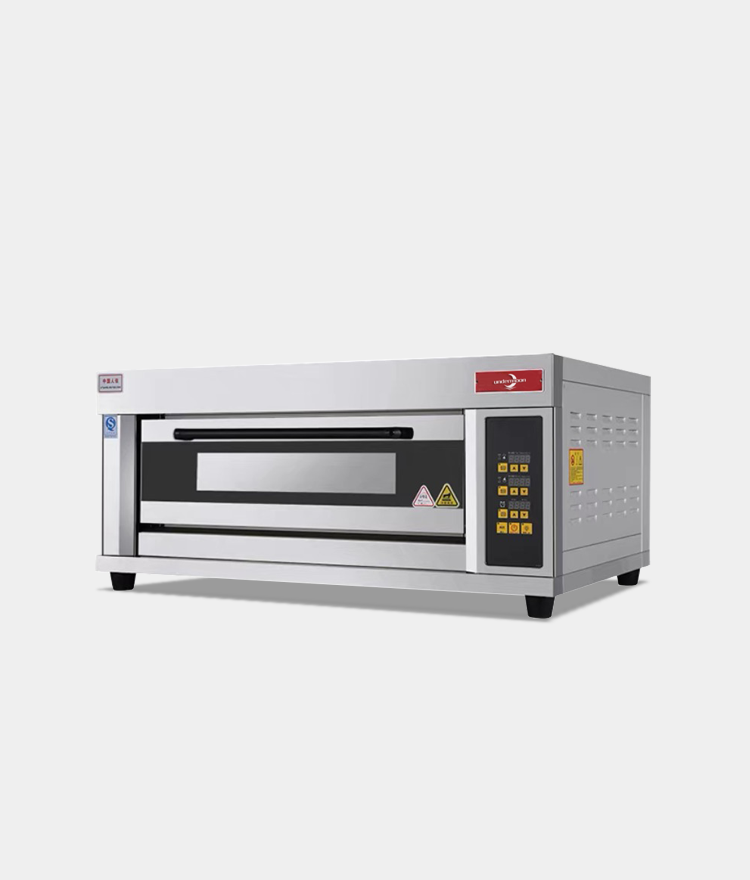
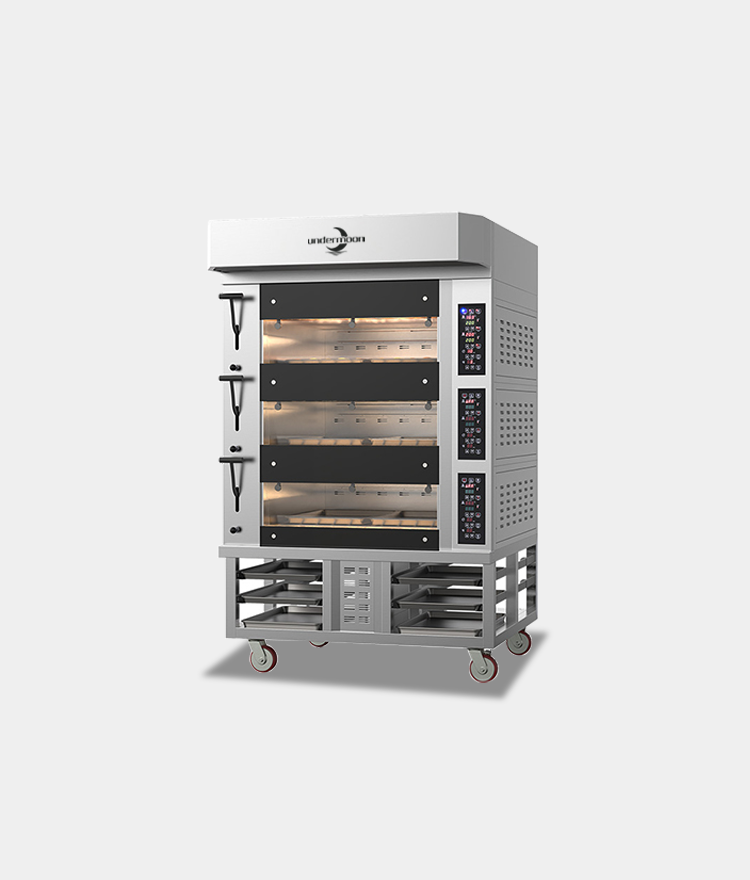
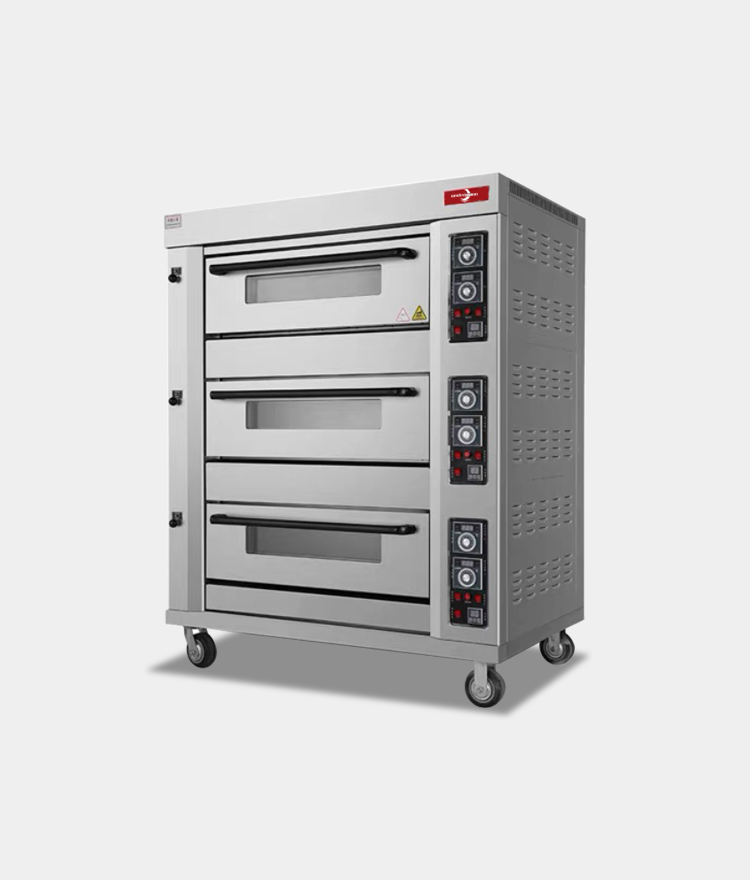
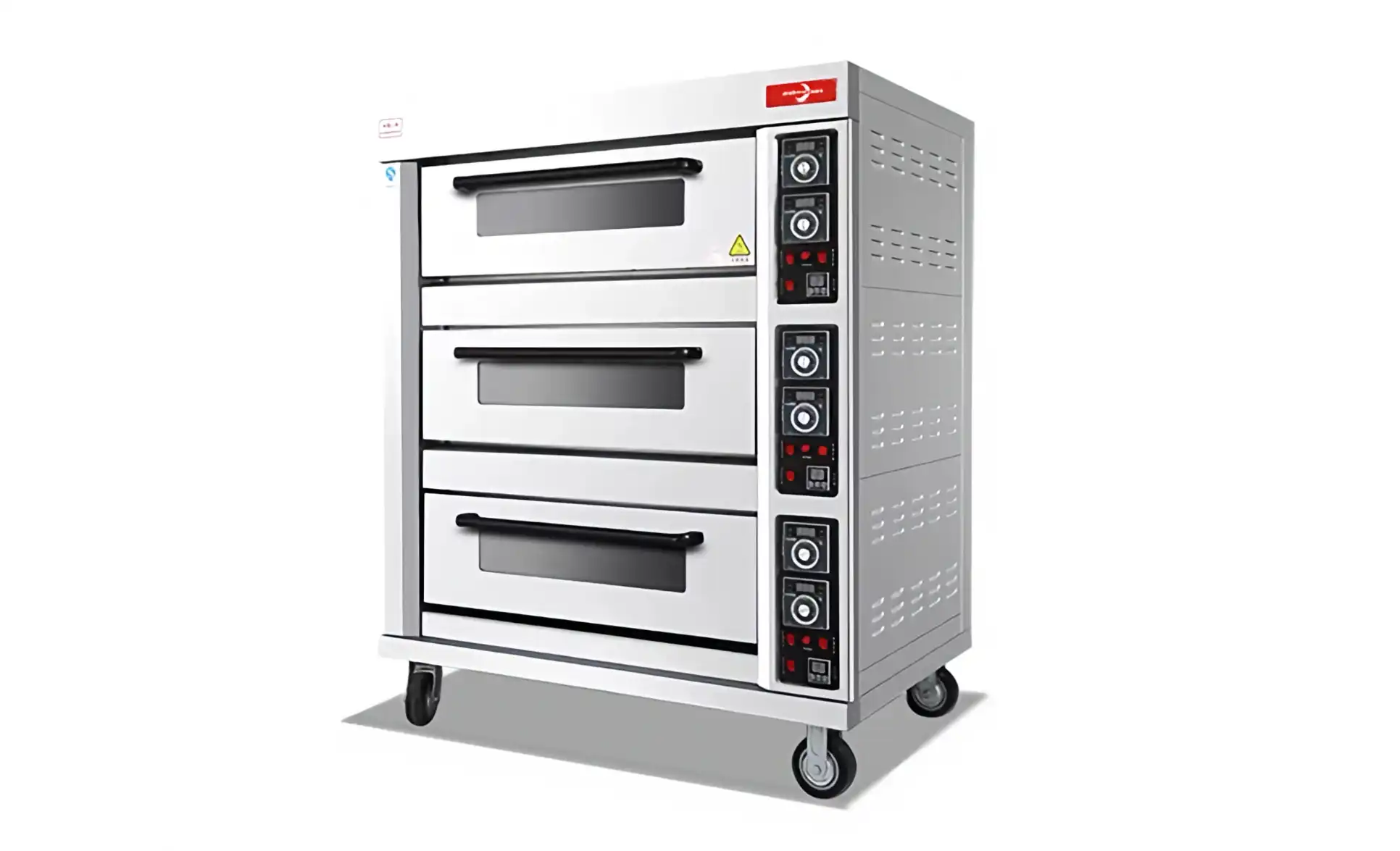
High-capacity multifunctional commercial baking ovens, like our 3-deck 9-tray electric type (SL-KXD3-9), can bake in multiple separate rooms at the same time. With its own temperature controls, each deck can work on its own, so bakers can use one level to make bread and another to bake croissants at 190°C. This separate process gets rid of the usual slowdown in sequential baking, which triples the amount that can be made in the same amount of room. The small size (1640 x 805 x 1500 mm) makes the best use of vertical space, which is very important for restaurants in cities where rent prices are high per square meter.
Adaptability Across Product Categories
The wide temperature range, from room temperature to 400°C, lets you do a lot of different things, from slowly rising craft breads to making pizzas over high heat. This temperature freedom is good for bakery shops that sell pastries for breakfast, sandwiches for lunch, and specialty cakes in the afternoon. Not like single-purpose equipment that sits idle between production runs, flexible deck ovens are always being used during working hours. The mechanical control interface lets you make simple changes without having to learn a lot of complicated code. This cuts down on the time it takes to switch between recipes and product lines.
Streamlined Workflow Integration
Businesses gain from having equipment that works well with their current production methods. Even baking results no matter where the racks are placed because the heat is evenly spread across all deck levels. This means that trays don't need to be rotated in the middle of a cycle. This regularity cuts down on the amount of work that needs to be done and lets staff focus on tasks like preparing and ending instead of watching the oven. The three-dimensional heating design keeps temperatures fixed even when doors are opened and closed a lot. This keeps the system running efficiently during busy service times.
Cost Efficiency and Energy Savings in Commercial Baking
Buying equipment is only one part of the total costs of owning. The real cost of industrial baking equipment is based on how much energy it uses, how often it needs to be serviced, and how long it lasts.
Advanced Insulation Technology
Professional-grade multifunctional commercial baking ovens have thicker insulation layers that act as thermal barriers. These barriers keep heat inside the baking rooms instead of letting it escape into the kitchen. This engineering method lowers the amount of power needed to keep temperatures at goal levels, which directly lowers the cost of energy. Our stainless steel design uses high-density insulation materials that don't break down after years of thermal cycles. This means that the equipment will stay energy-efficient for as long as it's used. When compared to older single-wall designs, facilities that use multiple baking processes every day see big drops in their energy bills.
Reduced Maintenance and Downtime
Corrosion and wear are kept to a minimum by using commercial-grade stainless steel in the building, even in harsh production settings where flour dust and moisture are present. The mechanical control system gets rid of complicated electronics that need to be fixed by experts. This means that regular changes can be made by in-house maintenance teams. When there are fewer problems, more equipment is available and the cost of emergency service goes down. The simple design also makes it easier to keep track of spare parts because the parts are made to standard specs instead of private formats.
Long-Term Return on Investment
More and more, choices about what to buy are based on lifetime costs instead of just the initial purchase price. A multifunctional commercial baking oven that uses less energy and lasts longer has been shown to deliver measurable returns through lower operating costs. Businesses that run two shifts every day can get their money back on the tools they bought within 24 to 36 months by saving money on energy costs and making more food. Well-designed ovens often last more than 15 years with proper upkeep, so they continue to be valuable long after the initial investment has been recouped.
Superior Product Quality and Consistency
In competitive baking markets, a brand's image depends on making sure that every batch and spot gets the same high-quality goods. The accuracy of the equipment has a direct effect on this uniformity.
Precise Temperature Management
Professional deck ovens have a mechanical knob control system that lets you set and keep the temperature just right. The operators set exact temperatures based on the recipe, and the heating elements answer with little change. This accuracy stops common quality problems like cores that aren't cooked through or crusts that get too dark. The fast heating feature cuts down on the time needed for preheating, which lets bakers start making things faster while still using less energy. Stable temperatures across the 400°C range can be used for both delicate cakes that need gentle heat and hearth breads that need very high temperatures at the start.
Even Heat Distribution Architecture
Three-dimensional balanced heating makes sure that every place on the tray gets the same amount of heat. Because everything is the same, you don't have to worry about moving pans in the middle of baking or marking certain rack places as "hot spots" to avoid. Bakeries can confidently load all nine trays because each one will come out with the same color, texture, and level of doneness. This dependability is especially helpful for businesses that make multiple batches of the same product, because visual uniformity has a direct effect on how customers see the product and keeps products from going to waste because of unwanted differences.
Expanded Recipe Capabilities
Modern multifunctional commercial baking ovens can handle a wide range of temperatures, which means that menus can grow without having to buy more equipment. Traditional French baguettes, ciabatta with steam, dry-heat cookies, and nuts that are slowly cooked can all be baked in an oven with only one deck. This feature lets bakeries change their product lines in response to market trends and yearly needs, instead of being limited by their tools. Because the output stays the same across all baking modes, the method can be scaled from test amounts to full production with no changes to the results.
Simplified Operation and Reduced Labor Costs
One of the biggest ongoing costs for business bakeries is their employees. Cutting down on the need for training and physical work is one way that equipment saves money over time.
Intuitive Mechanical Controls
When compared to digital screens, mechanical knob systems are easier to learn how to use because they have a simple interface. Within minutes, new operators learn how to change the temperature and timer, which cuts down on training time and gives workers more options. This ease is especially helpful for businesses that have a lot of staff change or hire seasonal workers during busy times. In hot, humid places like bakeries, where touchscreens may need to be cleaned often or have trouble responding, the physical input of mechanical buttons is also reliable.
Automated Baking Consistency
Once the right temperature and time factors are set for a recipe, the oven will keep these settings automatically. Because of this, regular production doesn't require as much skill, so more experienced cooks can focus on more difficult tasks while less experienced staff handle standard items. When there is no longer constant tracking, workers can use their time for more valuable tasks, such as creating new products, checking for quality issues, and helping customers.
Scalable Production Without Proportional Staffing
The multi-deck arrangement makes it possible to make a lot more without hiring as many people. One person can easily keep an eye on nine trays spread out over three decks instead of just three trays in a single-deck machine. When restaurants have to increase production to meet rising demand or stay open longer, this economy becomes very important. To keep prices low and profit margins high, it's important to be able to increase work without hiring more people.
Selecting the Right Multifunctional Commercial Baking Oven for Your Business
Before making a purchase choice, you need to carefully evaluate the technical specs, the supplier's abilities, and the long-term support for your multifunctional commercial baking oven.
Capacity and Configuration Assessment
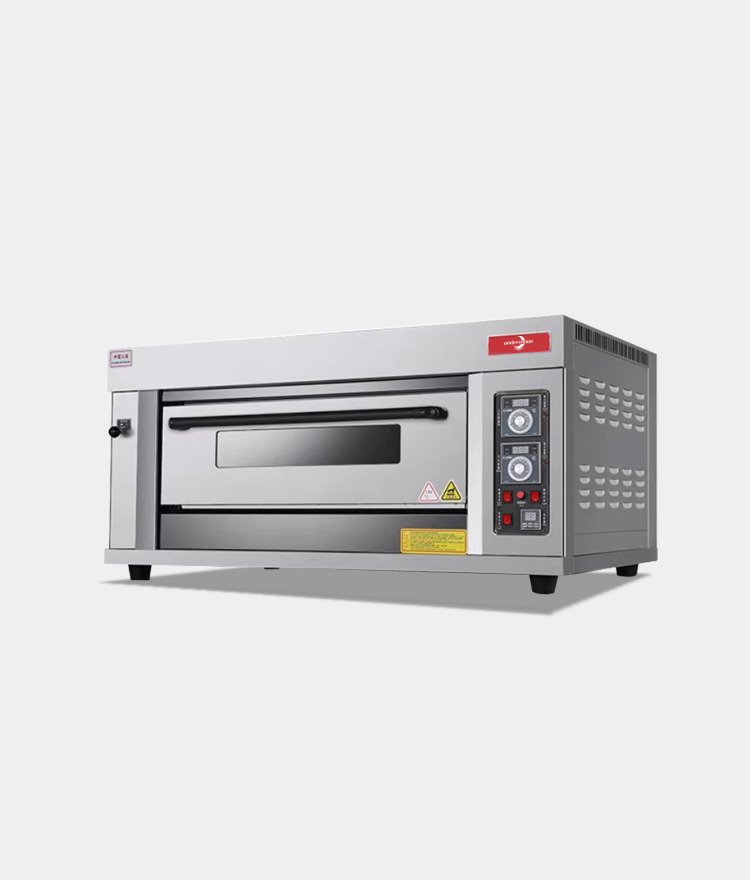
Operations must match the oven's ability to the amount of work that needs to be done while still leaving room for growth. The nine-tray capacity spread across three separate decks works well for established bakers that make a variety of goods at the same time. Smaller businesses might start with two-deck models, while big professional bakeries may need more than one. The small size makes it easy to use the floor plan efficiently, which is especially helpful when updating old buildings where adding more room would be difficult or cost too much.
Power Supply and Installation Requirements
Because industrial deck ovens need 380V electricity, the right facilities must be in place. During the planning phase of an installation, procurement teams should check the current electricity service capacity and make a budget for any changes that are needed. The 29.7kW power draw means that a lot of energy is being used, which is why the improved insulation and energy-efficient heating parts are so important for keeping costs down. Professional construction makes sure that the electrical connections are made correctly, that air is built in, and that the project meets all local building codes.
Customization and OEM Capabilities
Manufacturers that have been around for 20 years and have been producing multifunctional commercial baking ovens offer customization choices that go beyond basic catalog models. Manufacturing is flexible when it comes to changing voltage for different foreign markets, switching to gas for sites that don't have high-capacity electrical service, and changing capacity to meet specific production needs. Companies that want to make their own equipment specs or plan private label projects can benefit from suppliers who offer OEM/ODM services and have experienced engineers and quality control systems.
Certification and Compliance Verification
Safety and performance standards must be met by equipment that is going to be sold in the United States. Checking for ETL, UL, and NSF certifications makes sure that goods meet standards for food equipment and electricity safety. These certificates make it easier to get permits from local health departments and building officials, which keeps expensive delays from happening when a facility is being set up or expanded. Suppliers who keep their licenses up to date show that they care about quality and following the rules.
Supplier Evaluation Criteria
Besides looking at the specs of the product, procurement managers should also look at the capabilities of the production facility, the quality control processes, and the infrastructure for after-sales support to figure out how reliable a seller is. Suppliers with standard production bases and strict inspection processes make sure that the quality of the tools is the same for all orders. Total ownership experience is greatly affected by the availability of spare parts, the speed with which expert help is responded to, and the terms of the guarantee. Established suppliers that serve international markets show that they know how to ship, how to properly record their products, and how to load containers quickly and easily. These are all very important for foreign buyers who have to deal with complicated operations.
Conclusion
Buying multifunctional commercial baking ovens has measurable benefits for how well the business runs, the quality of its products, and its bottom line. For professional restaurants and food production facilities, multifunctional commercial baking ovens meet the strict needs of precise temperature control, long-lasting construction, and easy operation. The separate deck operation, wide temperature range, and small footprint all work together to solve some of the biggest problems that business bakeries face today. When purchasing managers look at upgrading equipment, they should give more weight to suppliers that can show they have a mature manufacturing process, the ability to customize products, and a full support system to ensure long-term operating success.
FAQ
What routine maintenance does a commercial deck oven require?
Daily cleaning of the crumb trays and inside surfaces, weekly checking of the door gaskets to make sure they seal properly, and monthly using calibrated thermometers to make sure the temperature is correct are all part of regular upkeep. The mechanical control system needs to have its knob mechanisms oiled every so often. A professional checkup should be done once a year to check the state of the heating elements, electrical connections, and insulation to keep the equipment running at its best and extend its life.
How does a multi-deck oven compare to convection-only models?
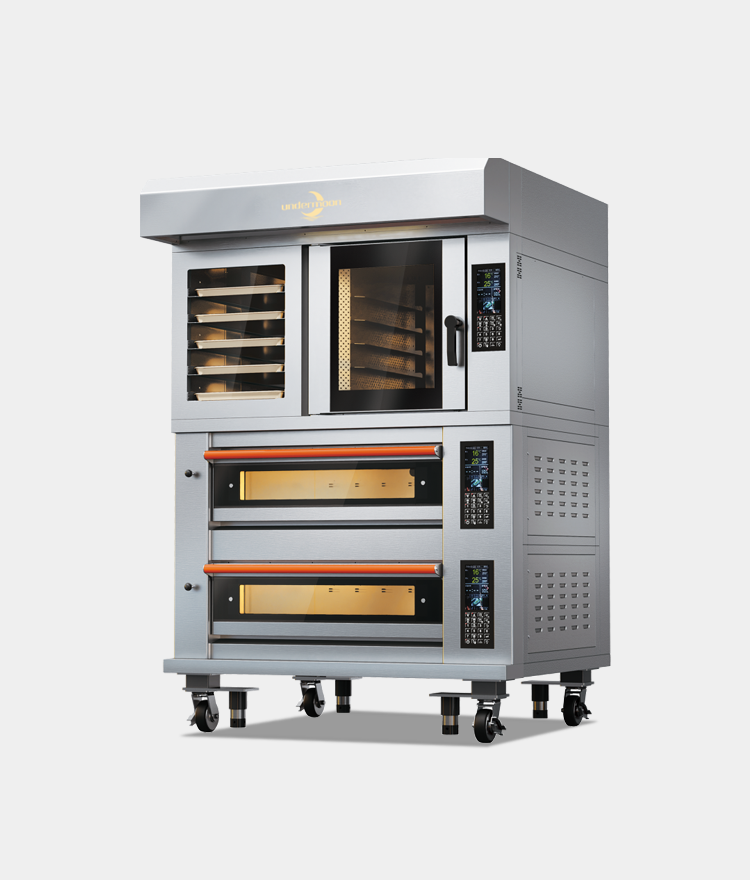
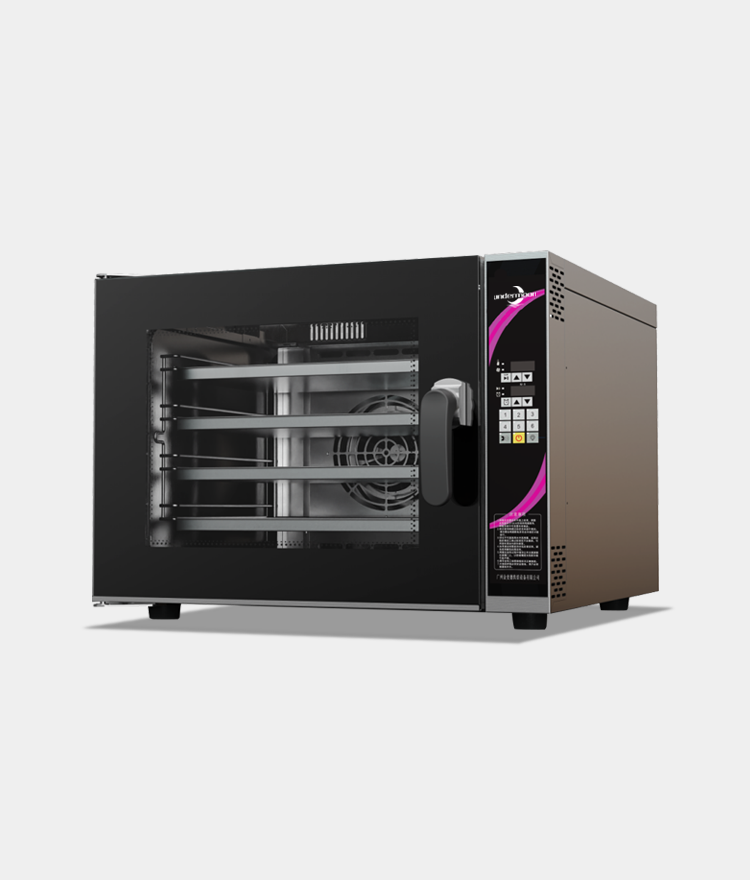
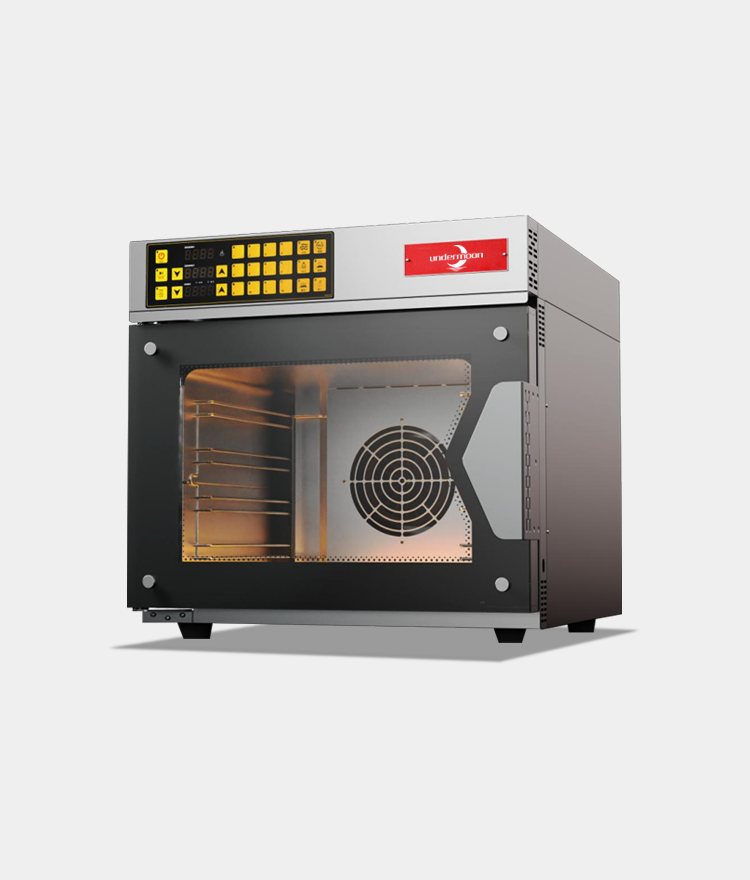
Single-chamber convection ovens don't have separate temperature zones that can be found in multi-deck designs. This lets goods that need different temperatures be baked at the same time, which increases production capacity. The deck design also provides better heat spread for artisan breads and other items that need bottom heat. Convection ovens, on the other hand, are better for cakes and other items that benefit from air flow. Based on the products they make, many businesses find it useful to use both types of tools together.
Partner With Undermoon for Your Commercial Baking Equipment Needs
With 20 years of experience making only electric and gas oven systems for professional use, Undermoon is a specialist in the construction of industrial baking tools. Our standard production plant uses strict quality control at every step, from finding the parts to doing the final inspection. This makes sure that every multifunctional commercial baking oven meets the high standards of chain bakeries and food production businesses. To meet your exact working needs, we offer a wide range of customization services, such as voltage adaptation, capacity changes, and OEM/ODM programs. Email our engineering team at undermooncn@gmail.com to talk about your production needs and get full specs. As a dedicated maker of multifunctional commercial baking ovens, we offer full support from the initial meeting to installation and ongoing service. This way, we can make sure that your investment works reliably for years of commercial use.
References
1. Smith, R. (2023). Commercial Baking Equipment: Technology and Applications. Culinary Press International.
2. Johnson, M. & Williams, K. (2024). "Energy Efficiency in Modern Commercial Ovens." Journal of Foodservice Equipment Technology, 18(2), 45-62.
3. Anderson, P. (2023). Bakery Operations Management: Equipment Selection and Optimization. Food Industry Publications.
4. Chen, L. (2024). "Thermal Performance Analysis of Multi-Deck Commercial Ovens." International Journal of Baking Science, 31(4), 127-143.
5. Roberts, T. (2023). Commercial Kitchen Design and Equipment Procurement. Hospitality Management Press.
6. Martinez, C. & Davis, H. (2024). "Quality Control Standards for Commercial Baking Equipment Manufacturing." Food Equipment Manufacturing Quarterly, 12(1), 78-94.
Online Message