Jun 1, 2026
Why Choose an Electric Deck Oven With Analog Control for Your Bakery?
When you buy an electric deck oven with analog control for your bakery, you're putting in dependability, low energy use, and ease of use. Mechanical knob systems let you control the temperature with your hands instead of using complicated technology that could break down often. This tried-and-true technology allows for consistent baking results on separate decks, so your team can work on multiple goods at once while keeping the heat even. Electric deck ovens with analog control are a good choice for business bakeries that want reliable long-term performance over digital complexity because they last longer, require less upkeep, and are easy to use.
Understanding How Electric Deck Ovens with Analog Control Work
Simple Temperature Regulation Through Mechanical Controls
A motorized thermostat and a screen with dials are at the heart of analog temperature control. When the temperature knob is turned to the desired level, an internal bimetallic strip reacts to changes in heat by switching power to the heating elements. This keeps the temperature level stable. There is no need for circuit boards or software because there is a direct mechanical link between setting and heating the reaction. Such a design makes it less likely that something will go wrong during high-volume production.
Key Components That Ensure Operational Stability
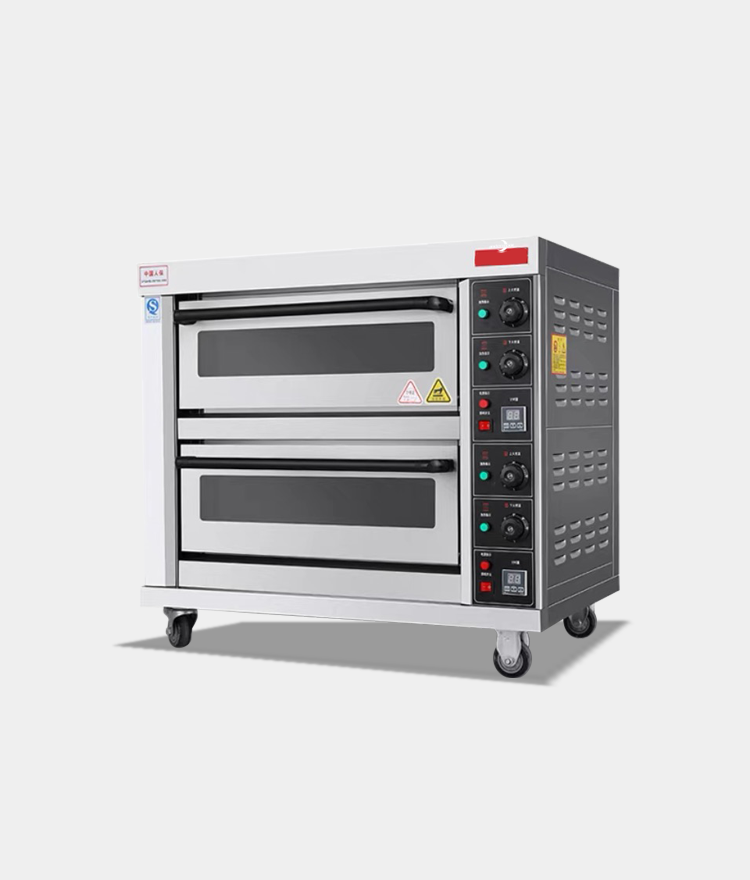
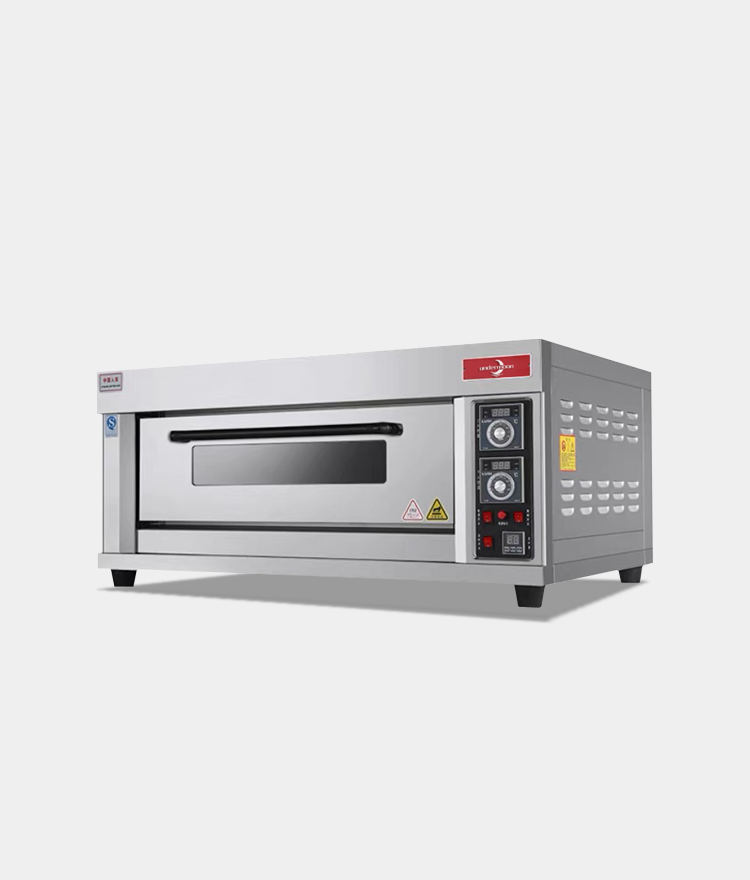
Control panels have temperature knobs that are easy to read. The temperatures range from room temperature to 400°C, so they can be used for a wide range of baking needs, from making delicate cakes to artisan bread. The heating elements under each deck directly respond to signals from the thermostat, making sure that the baking areas are evenly heated in all three dimensions. The thick insulation around the chamber effectively holds thermal energy, lowering power use while keeping accurate temperature. These parts work together to make a system that workers can change right away based on what they see happening in the oven.
Achieving Consistent Baking Through Manual Adjustment
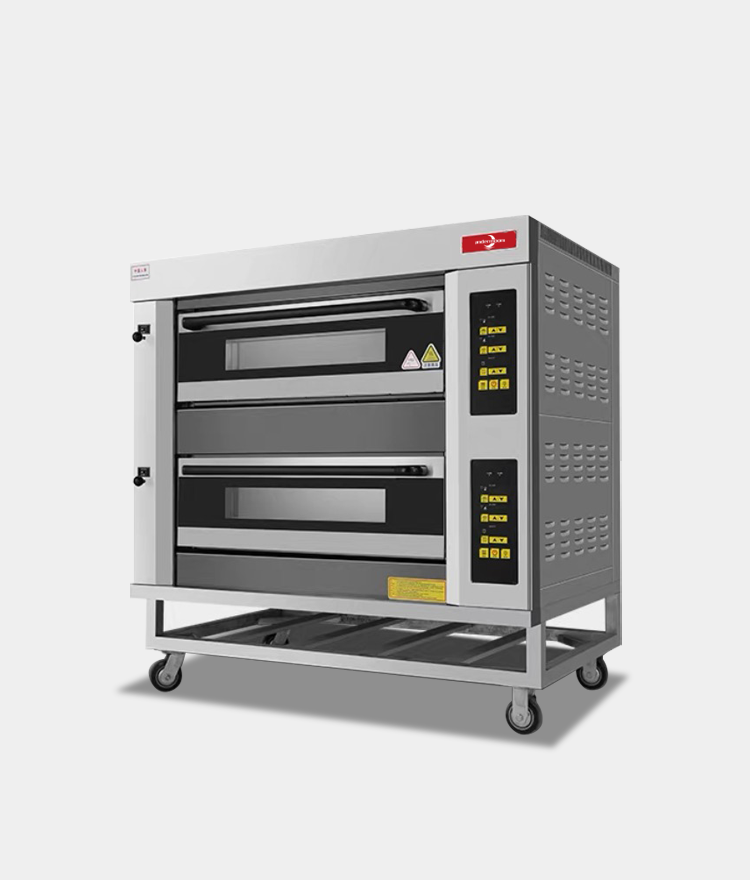
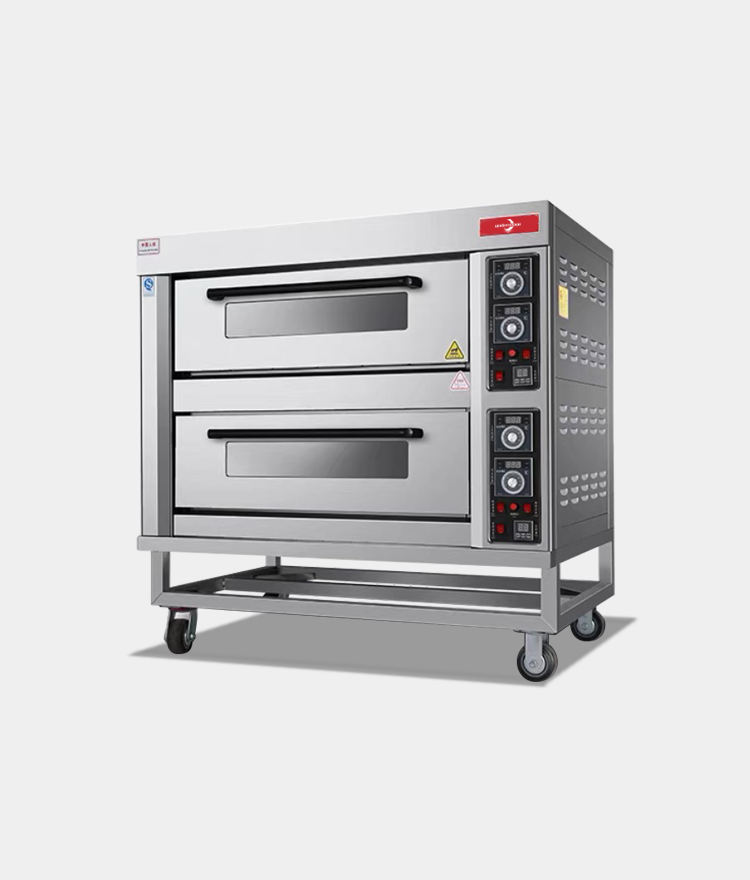
Many experienced cooks like the physical feedback that comes with analog controls. This lets them fine-tune the temperature during the baking cycle based on how the product is acting. This hands-on method works well with traditional baking methods that use eye evaluation to make changes. The two-deck, four-tray design lets different goods bake at different temperatures at the same time, increasing output without lowering quality. Each deck works on its own, so workers have full control over production plans and the range of products they make.
Benefits of Choosing Electric Deck Ovens with Analog Control
Reliable Performance Without Technical Complexity
An electric deck oven with analog control works best in business settings where equipment needs to keep working under tough conditions all the time. Because there aren't any digital parts, there are fewer places where electronics can go wrong. This is especially important in wet bakeries, where moisture can damage sensitive circuit boards. Operations managers like how easy it is to figure out what's wrong. Inconsistent temperatures are usually caused by heating elements or thermostats, which can be checked out and replaced by in-house maintenance teams without the need for expensive service contracts or special training.
This design offers the main benefits for businesses that bake:
- Energy-efficient operation: Direct heating and thicker insulation use less electricity than ventilation systems that move warm air around all the time
- Cost-effective investment: Lower initial costs and low upkeep costs increase the return on investment over the equipment's useful life
- Robust baking capacity: The multi-layer design lets standard 400x600 mm trays fit in four places, doubling output in a small 1220x805x1220 mm space
- Versatile temperature range: It can work from room temperature to 400°C, which is good for proving bread, baking pastries, making pizza, and cooking
These benefits directly help chain shops and food processing plants with the problems they have with production. The construction is made of stainless steel, which can handle daily cleaning and keeps its shape through thousands of heating cycles. Procurement managers focused on total cost of ownership find that the ease of analog buttons provided by an electric deck oven with analog control is balanced out by less downtime and longer equipment life.
Supporting High-Volume Commercial Production
The SL-KXD2-4 example demonstrates how analog technology can scale up to meet the needs of industry. Its 13.2kW power level lets it heat quickly, which cuts down on the time needed for preheating and speeds up production starts and product changes. In bakeries, where floor room directly affects operating capability, small footprint measures make the best use of space. Being able to change the voltage (220V or 380V), panel layouts, and deck materials makes sure that the system works with a wide range of building needs and local electricity standards.
Electric Deck Oven with Analog Control vs Other Control Types
Comparing Analog and Digital Temperature Management
Digital control systems are useful for businesses that want to automate tasks because they can store recipes and give accurate readings of temperatures. But the extra complexity makes things more vulnerable. Circuit board failures need to be fixed by specialized techs, which often means that the system is down for a long time while waiting for new parts or service appointments. Replacement heaters and heating elements are easy to find for an electric deck oven with analog control, and installation doesn't require programming skills but does require basic electrical knowledge.
Analog Electric Decks Versus Convection and Steam Ovens
Fans move hot air around in convection ovens to keep the temperature even throughout the room, but this method could make delicate foods brown unevenly. An electric deck oven with analog control gets its heat directly from above and below, which makes the crusts and bottoms of handmade bread and desserts crisp and well-developed. For some uses, steam injection systems make it easier to control the humidity, but they make upkeep harder because they have more plumbing and steam production parts. Electric deck ovens with analog control are particularly well-suited for restaurants that value traditional baking methods because they focus on basic heat transfer.
Operational Advantages Over Gas-Powered Equipment
Gas stoves need ventilation systems to get rid of the byproducts of combustion, which raises the cost of installation and upkeep over time. An electric deck oven with analog control runs more quietly and has simpler safety requirements. When analog timers precisely turn on and off electric heating elements, the temperature stays fixed, which is challenging for gas burners to do at low output levels. This steadiness is especially helpful when you make things that need to be kept at a certain temperature.
Maintenance and Safety Tips for Electric Deck Ovens with Analog Control
Establishing Preventive Maintenance Routines
As part of daily care, the control knobs are checked to ensure they turn smoothly and the temperature settings are confirmed to work with the oven. Operators should monitor all the trays to see if the goods bake the same way. This will help them spot any heating elements that might be wearing out before they break completely. Deep cleaning the deck surfaces and checking the compression integrity of the door seals are weekly jobs. Gaps in the seals let heat escape, which means baking times have to be longer and more energy has to be used.
As part of regular maintenance, electrical connections should be checked every month for weak leads that cause resistance and heat buildup. Checking the thermostat's adjustment makes sure that the settings on the dial correctly show the temperature inside. Maintenance teams can use handheld thermometers to check if the temperatures shown on the thermometers match the temperatures inside the room. If there are big differences, the thermostats can be adjusted or replaced.
Troubleshooting Common Operational Issues
A broken heating element or a timer that moves often causes temperature changes. If one deck bakes differently than the others, even though the settings are the same, use a voltmeter to check the connection of each heating element to find the problem. To change an element, you usually have to turn off the power, remove the deck plates, and replace the broken part. This can be done without taking the oven out of service. Problems with an electric deck oven with analog control generally show up as an inability to hit set temperatures or continuous heating above the goal. These signs mean that the thermostat needs to be replaced, which is a simple fix that can restore things back to normal in hours instead of days.
Implementing Comprehensive Safety Protocols
High-quality analog systems have overheat protections like thermal breakers that cut power off when temperatures go too high. Even when they are trying to figure out what's wrong, operators should never go around these safety features. Doing so could cause a fire or damage to the equipment. When staff are properly trained, they learn how to shut down the system in an emergency and how to spot warning signs like strange smells, visible smoke, or heating patterns that don't seem to be working right. Because analog controls are mechanically simple, they allow for quick action in situations. For example, turning the temperature dial to zero stops heating right away, which isn't possible with digital systems where interface problems can delay shutdown orders.
How to Choose the Right Electric Deck Oven with Analog Control
Evaluating Total Ownership Costs and Supplier Credibility
The purchase price only covers the initial cost of buying professional baking tools. Procurement experts must determine the total cost of ownership, including energy usage, maintenance frequency, parts availability, and estimated operating lifespan. In these areas, an electric deck oven with analog control usually offers better value because it requires less upkeep and lasts longer. Instead of just looking at the lowest price, when examining suppliers, give more weight to makers with a history of production. A provider with 20 years of experience in manufacturing brings with them tried-and-true quality control systems and improved production methods that make tools reliable.
Warranty Coverage and After-Sales Service Quality
Full guarantee terms protect against problems with the way the maker made the product and show that the maker trusts the quality of the product. Check to see what parts are covered and how long each guarantee level lasts. Heating elements and timers are most stressed when used, so their warranty length indicates their expected reliability. How responsive after-sales service is has a direct effect on business stability. International buyers should ensure that sellers know what kinds of paperwork they need for the sale and that they communicate clearly throughout the entire process.
OEM Customization and Bulk Purchasing Opportunities
Customization choices that match the specs of equipment with the needs of operations are helpful for chain bakeries and wholesalers. Customizing the voltage works with different regional electricity standards and doesn't need expensive and complicated transformers. Private label programs help wholesalers build their market position by letting them change the color of the panels and add their own logos through OEM agreements. Stone deck choices make it easier to make artisan bread, and timer improvements help keep batches consistent. When manufacturers offer these customization services, it indicates that they are flexible with their production and ready to work with customers to meet their needs.
When foreign buyers buy more than one unit, how quickly the containers can be loaded is crucial. The SL-KXD2-4 model's 1220×805×1220mm measures let you get the most out of each container, which lowers the cost of shipping each unit for large orders. Suppliers who know a lot about export operations can provide the right packing to keep items safe during transport and the paperwork to make customs clearance go more quickly.
Certification Compliance for Market Access
With CE, ETL, UL, NSF, and RoHS certifications, you can sell your products in North America and Europe, and you can show that you follow safety and environmental rules. A third party needs to test these certifications and conduct ongoing quality system checks. They are concrete measures of how well a company can produce things. During the evaluation process, procurement managers should ask for proof of certification and make sure that the certificates cover the particular model being looked at and not just the manufacturer's general skills.
Conclusion
When you choose baking tools, you're making a long-term choice that will affect how much you can make, the quality of your products, and your costs for years to come. Commercial bakers need an electric deck oven with analog control that delivers reliable performance, easy operation, and long-term durability. Independent deck control, strong construction, and an energy-efficient design all work together to support high output levels while keeping costs low. When purchasing tools, people who want to stick with a reliable brand can be sure that these ovens will work in a variety of settings, from small bakeries to big food production plants. Because they use tried-and-true technology and don't need much upkeep, these ovens are excellent purchases that will help you keep making things and keep your business going.
FAQ
What distinguishes analog from digital temperature control in commercial deck ovens?
Mechanical thermostats and dial connections directly control the power to the heating element in analog controls. This is done by bimetallic strips that respond to changes in temperature. Digital systems use electronic sensors, processors, and screens to read temperature data and use pre-programmed formulas to control the heating. The ease of analog lowers failure points and allows experienced bakers to make adjustments by hand. On the other hand, digital precision allows for programmable recipes and remote tracking, which is better for businesses that value automation over human control.
How many products can a four-tray deck oven produce per hour?
How much can be made varies on the type of food and how long it takes to bake. Artisan bread needs to be baked for 25 minutes, so it makes about 9–10 batches per hour, which is 36–40 loaves per hour if the trays are loaded and unloaded quickly. Pastries bake in 12 to 15 minutes; increase output to 16 to 20 batches per hour. Independent deck operation lets production plans be varied so that ovens are used as much as possible during each shift.
Does an Electric Deck Oven with Analog Control Consume More Energy Than Gas Alternatives?
Most of the energy that an electric deck oven with analog control uses turns into heat inside the baking room. Gas ovens, on the other hand, lose energy when combustion leftovers are vented through exhaust systems. The 13.2kW power level of these ovens means that their running costs are based on the current price of energy in the area. The cost of energy in a given area decides whether running on gas or electricity is cheaper. Electric types don't need to have ventilation installed and keep the temperature more accurately, which can help cover the slightly higher per-BTU energy costs in long-term practical planning.
Partner with Undermoon for Reliable Electric Deck Ovens with Analog Control
Over 20 years of specialized experience, Undermoon has been making industrial baking tools, specializing in electric and gas oven systems that meet the strict needs of professional bakeries. Our electric deck ovens with analog control have strong construction and tried-and-true mechanical temperature control to work continuously in high-volume areas. We offer full customization services, such as changing power levels, deck materials, panel layouts, and OEM branding, so that our equipment fits your needs perfectly. As a well-known company that makes electric deck ovens with analog control, we keep a close eye on quality throughout production and offer quick technical help at undermooncn@gmail.com. Contact our team to discuss your unique baking capacity needs, look over detailed specs, and find out how our equipment solutions can help you reach your production goals at a price you can afford, with reliable service after the sale.
References
1. Anderson, M. (2021). Commercial Baking Equipment Selection and Maintenance. Culinary Institute Press.
2. Brown, R. & Stevens, K. (2020). Thermal Management in Professional Ovens: Analog and Digital Control Comparison. Food Equipment Journal, 45(3), 112-128.
3. Chen, L. (2022). Energy Efficiency in Commercial Kitchen Equipment. Restaurant Technology Review, 18(2), 67-82.
4. Harrison, P. (2019). Industrial Baking Systems: Design Principles and Operational Strategies. International Baking Association.
5. Martinez, J. (2023). Procurement Best Practices for Commercial Kitchen Equipment. Foodservice Equipment & Supplies Magazine, 76(5), 34-49.
6. Wilson, T. (2020). Maintenance Protocols for Commercial Deck Ovens. Bakery Production and Marketing, 52(4), 88-95.
Online Message
YOU MAY LIKE
High quality furniture manufacturer