Sep 12, 2026
Why Choosing the Right Stainless Steel Electric Range Matters?
Selecting the appropriate commercial oven directly impacts your bakery's productivity, product quality, and long-term profitability. When sourcing equipment for growing markets in Southeast Asia, the Middle East, or Africa, a double deck electric oven stainless steel model offers the durability, efficiency, and space-saving design that regional distributors and end-users demand. This comprehensive guide addresses the procurement challenges faced by equipment distributors—from managing minimum order quantities to ensuring voltage compatibility—while providing practical insights into product selection, supplier evaluation, and maintenance strategies that protect your investment and satisfy your customers' operational needs.send inquiry.
Understanding Stainless Steel Double-Deck Electric Ovens
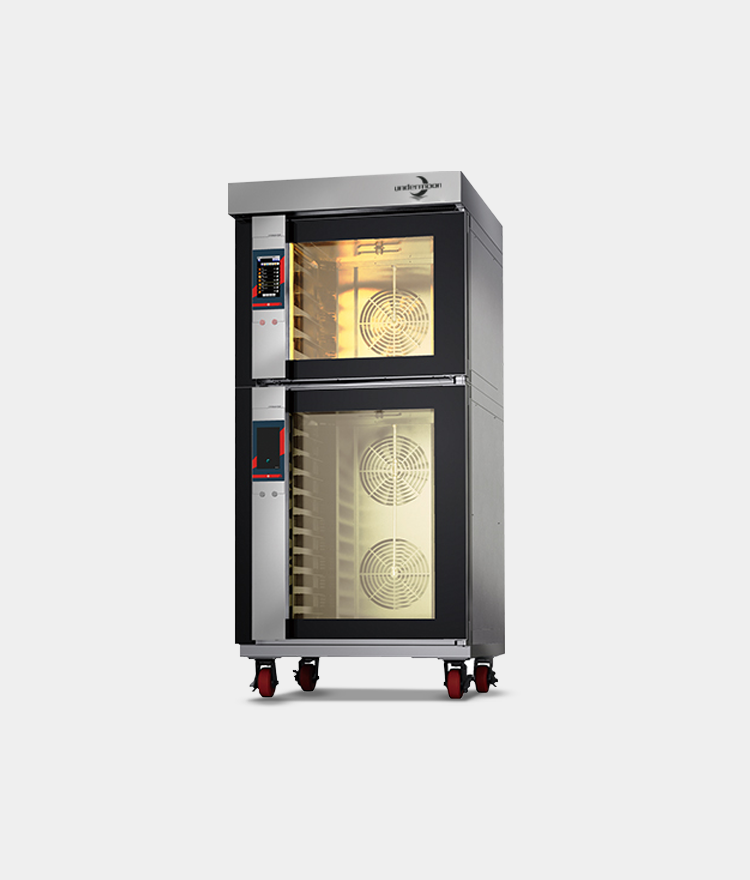
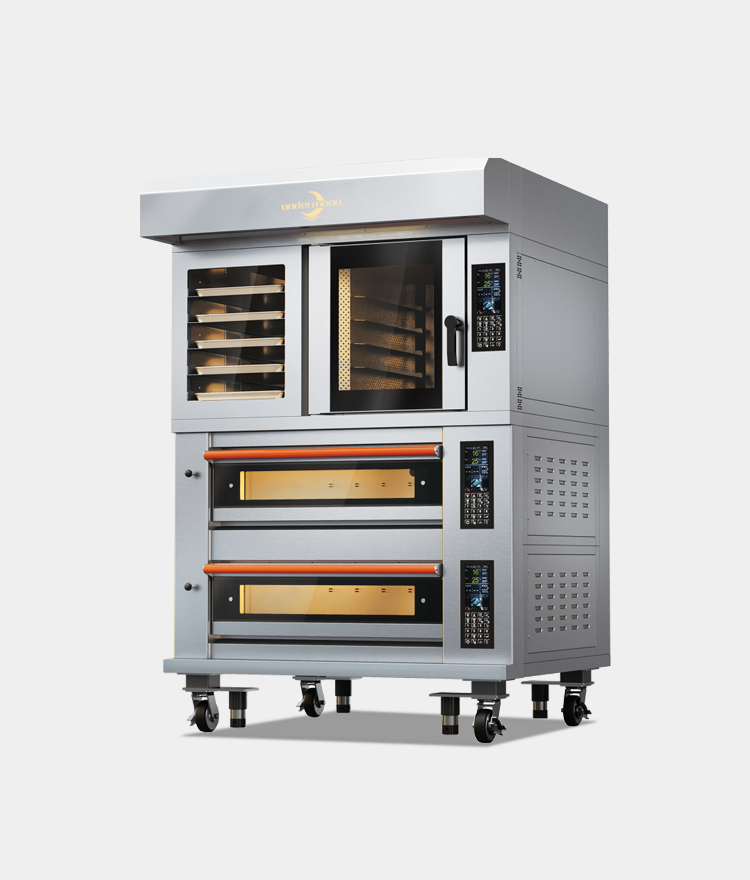
For commercial baking, you need equipment that matches how much it can hold with how much room space it has. An electric oven made of stainless steel with two chambers can solve this problem by stacking two separate baking decks vertically, effectively doubling production without taking up more space.
How These Ovens Work
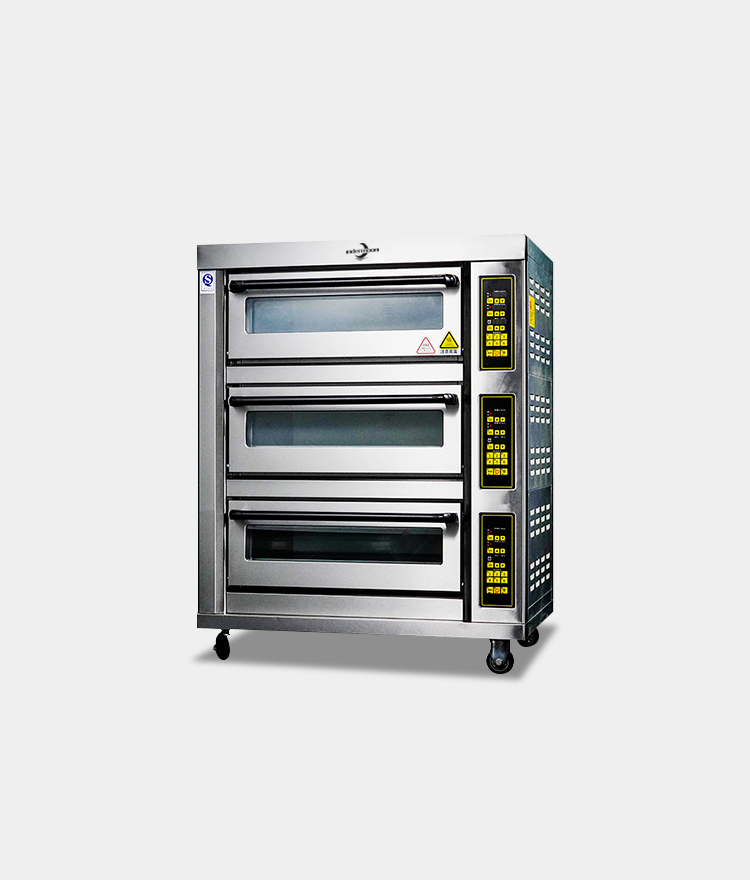
Electric heating devices placed in each chamber ensure that the heat is evenly distributed. Our Model SL-KXD2-2 works on standard electrical systems found in developing markets thanks to its 6.4KW power consumption and 220V compatibility. This eliminates the need for expensive changes to the infrastructure that three-phase gas ovens usually need. Each deck has its own temperature controls, so the bakery staff can bake baguettes at high temperatures in the upper chamber while making delicate pastries at lower temperatures below.


Material Advantages for Commercial Environments
Building with food-grade stainless steel has many practical benefits. The surface doesn't let germs grow, which makes it easier to clean up as needed by health inspectors. Stainless steel doesn't rust or break down in warm regions, even when the humidity and temperature change a lot. This resistance to corrosion makes items last longer and makes storage easier for dealers who keep their stock in coastal stores. The smooth surfaces are easy to clean, which saves money on labor costs for bakeries that have multiple shifts every day.
Mechanical Controls Reduce Service Complexity
Our mechanical knob and timer system solves a major problem for wholesalers who work in areas with few technology support resources. Digital interfaces need special circuit boards, but mechanical controls only need simple thermostatic switches and timers that are loaded with springs. When parts wear out, technicians in the area can get replacements without having to wait for them to be shipped from abroad. This advantage of serviceability becomes a strong selling point when your bakery customers care about keeping their equipment running and keeping upkeep costs as low as possible.
The wheeled base design of the double deck electric oven stainless steel makes it even more useful. Bakeries often clean behind tools or rearrange the work areas. These practicalities can be met by mobile ovens, which don't need professional movers or put the installation at risk of damage.
Comparing Double Deck Stainless Steel Electric Ovens with Alternatives
Distributors evaluating equipment portfolios must understand how dual-chamber electric models compare against competing technologies to position products effectively within local markets.
Space Efficiency versus Single-Deck Models
A single-deck oven that takes up 920x605 mm of floor space makes half as much as our dual-chamber model that uses the same amount of space. This estimate of output per square meter has a direct effect on how much money bakeries in cities can make. When pitching to potential customers, showing this capacity advantage helps make the case for the higher initial investment compared to single-deck options.
Electric versus Gas Operating Costs
People who care about how much energy it costs to bake will like gas ovens. Electric models, on the other hand, have a number of useful advantages, especially in developing markets. Because of fire safety rules, many cities and towns don't allow gas setups. This means that gas ovens are instantly out of the running. With an electric oven, you don't have to pay for a gas line installation or regular check fees. They don't give off any burning fumes, so the air quality in the kitchen stays better, and you don't have to upgrade your ventilation system. Electric models keep your customers who work in mixed-use buildings from having problems with landlords who are worried about gas risks.
Manual Controls versus Digital Interfaces
Digital ovens have exact temperature screens and can store recipes. Mechanical controls are reliable in places where electricity is hard to work with. Power changes that happen a lot in some places can damage digital control boards, making repairs very expensive. Voltage changes don't affect mechanical thermostats and timers, so they work. Instead of complicated menus, controls that look like knobs make it easier to train new employees. This ease of use makes it easier for you as a wholesaler to provide help after the sale.
When giving procurement managers choices, describing mechanical controls as "field-proven durability" instead of "basic technology" makes these models more appealing to buyers who value long-term dependability over advanced features they might not use.
Procurement Considerations: Choosing the Right Oven for Your Business Needs
When distributors look for commercial baking tools for local markets, they face special problems. A good procurement process balances many different priorities while lowering the risks that come with international supply chains.
Evaluating Supplier Stability and Manufacturing Capability
Twenty years of specialized knowledge in making industrial ovens is what our company brings to the table. This long operating life shows that the supply chain is stable, which is important for distributors who want to build long-term ties with customers. Consistent quality systems in factories make sure that the same product standards are met for all orders. This cuts down on checking costs and customer complaints.
When looking at different suppliers, make sure that their production capacity matches the amount of work you need done. Our standard manufacturing processes can handle both container-load quantities and smaller initial orders. This means that we can work with distributors at different stages of their businesses without imposing minimum order quantities that lock up working capital in extra inventory.
Voltage and Power Customization Requirements
Most markets can use standard 220V single-phase power, but some countries may need different setups for double deck electric oven stainless steel. As part of our customization services, we change the voltage specifications, power connections, and labels on the control panel to fit local electrical standards and language preferences. This makes it possible to avoid expensive changes in the field and the problems they cause with warranties.
When evaluating suppliers, procurement managers should ask for proof of electrical specifications. Detailed technical sheets show how well the product was made and give electrical inspectors and installation contractors the information they need.
Payment Terms and Logistics Coordination
When doing business across borders, letter of credit and documentary collection payment methods keep both parties safe. Our experience with these instruments makes the paperwork process easier, which cuts down on bank delays that make it take longer to fulfill orders. Distributors can better handle customer delivery promises and make sure containers are booked on time when there is clear communication about production schedules and shipping dates. This is true even though ocean transit takes 30 to 45 days.
Ask for shipping dimensions and weight details early on in the buying process. How well you load containers has a direct effect on your per-unit shipping costs, which in turn affects your ability to offer reasonable prices to end customers.
OEM and Branding Opportunities
OEM customization options are helpful for distributors who are trying to build brand recognition. We can put your name in the right place, change the look of the control panel, and make branded packaging that helps your brand stand out in the market. When dealing with other distributors who sell similar goods from different sources, this makes them stand out.

Maintenance, Cleaning, and Longevity Tips for Stainless Steel Ovens
The length of time that your customers have to pay for an item directly affects their total cost of ownership and affects their decision to buy again. Teaching buyers how to do proper repair keeps your image safe and cuts down on warranty claims.
Daily Cleaning Procedures
Cleaning stainless steel surfaces on a regular basis keeps them looking good and keeping up with cleanliness standards. When the inside is cool, wiping it down with a wet cloth gets rid of the flour dust and baking leftovers. Do not use rough scrubbers on stainless steel because they leave scratches that bacteria can grow in. Mild detergents made just for stainless steel keep the chromium oxide layer that protects the metal from rusting.
Pay extra attention to door seals. When dough and sugar waste builds up, it stops the seal from working properly. This lets heat escape, which uses more energy and makes the bake results uneven. Gaskets last longer and keep the oven working well if they are checked and gently cleaned once a week.
Component Inspection Schedules
Heating parts break down over time. Visual checks done once a month find parts that are getting hot spots or glow patterns that aren't even. Taking care of these issues early on keeps them from failing completely during production times. External timers can be used to check the calibration of timer mechanisms on a regular basis to make sure they are working correctly.
The wheeled base has locked wheels that keep it from moving while it's being used. Testing these locks once a week keeps the operator safe and stops the oven from moving by accident. By lubricating wheel bearings every six months, you can keep moving equipment around smoothly.
Extending Equipment Lifespan
Power surges can damage sensitive parts, but proper electrical grounding can keep them safe. Check the links to the ground during construction and once a year after that. When double deck electric oven stainless steels are used at their rated capacity, parts don't wear out too quickly. Overloading chambers or operating continuously at maximum temperatures accelerates the breakdown of insulation and heating elements.
Giving customers detailed maintenance schedules makes you look like a knowledgeable supplier who cares about their success instead of just a distributor who is interested in making sales. This consultative method makes customers loyal and brings in new business through word of mouth.
Future Trends and Innovations in Commercial Electric Ranges
The industrial baking tools market is always changing because of the need for an energy economy and operational connectivity. Knowing about new trends helps distributors guess what customers will want and strategically place their product lines.
Energy Efficiency Improvements
As the price of power goes up, bakery owners are more likely to buy equipment that uses less energy. More and more, manufacturers are using better insulation materials that keep heat in and use less power during each heating cycle. Better door seal designs keep temperatures from dropping when people get into chambers during production. Over months of daily use, these small improvements in efficiency add up to big cost savings that make the higher prices for more advanced models worth it.
Modular Design Approaches
Kitchen plans that are flexible can adapt to changing menu items and production numbers. When managers need to add more capacity, they can stack more deck units instead of changing the whole system. This scalability is good for businesses that are growing, and wholesalers can market it as a way to protect against the need to grow in the future.
Connectivity and Monitoring
The market as a whole is moving toward connected tools, but our current mechanical control models put ease and dependability first. IoT-enabled ovens send information about their performance to mobile devices, which lets workers know when repair is needed before something goes wrong. Monitoring temperatures from afar helps chains with multiple locations keep things the same across all of their locations. Distributors should keep an eye on how interested customers are in these features, especially when it comes to larger chains that have the technical support they need to get the most out of connectivity.
Conclusion
Choosing commercial baking equipment involves balancing immediate budget constraints against long-term operational costs and reliability. A double deck electric oven stainless steel model addresses the core priorities of distributors serving developing markets: robust construction that can withstand harsh environments, mechanical controls that make maintenance easier, space-efficient design that maximizes production capacity, and 220V compatibility that makes installation across a variety of locations easier. Because we've been making things for 20 years, you can be sure of consistent quality and a stable supply chain, which will protect your business relationships and reputation. To buy equipment successfully, you need to compare providers based on their ability to manufacture, their ability to handle customizations, and their business terms that meet your needs for working capital and managing your inventory.
FAQ
What are the typical dimensions for commercial double-deck ovens?
Our Model SL-KXD2-2 is 920 mm long, 605 mm wide, and 855 mm high. It fits easily into small bakery spaces and has two full-size baking chambers. The wheeled base makes it easier to move around without taking up more floor room. These measurements work with regular commercial baking sheets and pans, so you don't need any special tools.
How does power consumption compare between electric and gas ovens?
Electric stoves, like our 6.4KW model, don't waste energy by burning it, so they directly turn energy into heat. Gas ovens may have lower hourly energy costs, but they need ventilation systems, gas lines to be installed, and regular safety checks, all of which add to the overall cost. A study of the total cost should include the costs of setting up, maintaining, and following the rules for as long as the equipment is used.
Can these ovens be customized for different voltage requirements?
Our factory can change the power to meet the needs of different regions' electricity standards. In addition to changing the voltage, we also change the labeling on the control panel, the power connectors, and the safety certifications to meet the needs of the destination country. This makes sure that the goods pass customs and follow local laws.
What maintenance intervals do mechanical controls require?
Under normal circumstances, mechanical controls usually don't need any maintenance for years. After a lot of use, timer mechanisms may need to be calibrated again, which is an easy job that can be done by experts in your area. Unlike computer control boards, mechanical systems are much easier to service because they don't need as much technical knowledge.
Partner with undermoon for Reliable Commercial Baking Solutions
undermoon specializes in manufacturing commercial-grade double-deck electric oven stainless steel equipment designed specifically for distributors serving demanding markets across Southeast Asia, the Middle East, and Africa. Our 20-year history shows that we have a stable supply chain and consistent quality, which saves your business image and relationships with customers. We understand the problems you face when you're buying things, like keeping track of minimum order amounts and planning container shipments, so our business terms are set up to help you. Our customization services can change our ovens to meet local voltage standards, government rules, and brand preferences. This will help your products stand out in competitive markets. Contact our export team at undermooncn@gmail.com to discuss your specific needs, get detailed technical specifications, and look into ways to work together. We welcome inquiries from established wholesalers and new importers who want to offer their customers reliable, low-cost baking tools made by a manufacturer with a lot of experience making double deck electric oven stainless steel.
References
1. Anderson, M. (2021). Commercial Kitchen Equipment Selection: A Procurement Guide for Food Service Distributors. Industrial Catering Press.
2. Chen, L., & Rodriguez, F. (2022). "Energy Efficiency Comparisons in Commercial Baking Equipment." Journal of Food Service Technology, 18(3), 145-162.
3. International Association of Culinary Equipment Manufacturers. (2023). Standards and Best Practices for Commercial Oven Manufacturing. IACEM Publications.
4. Kumar, R. (2020). Stainless Steel in Food Processing Equipment: Material Properties and Maintenance. Materials Engineering Publishers.
5. Thompson, J. (2022). "Electrical Safety Standards for Commercial Kitchen Equipment in Developing Markets." Global Food Equipment Quarterly, 7(2), 88-104.
6. Williams, S., & Park, H. (2023). Supply Chain Management for International Kitchen Equipment Distribution. Business Logistics Institute.
Online Message