Sep 23, 2026
Why Do Bakeries Use Double Deck Ovens?
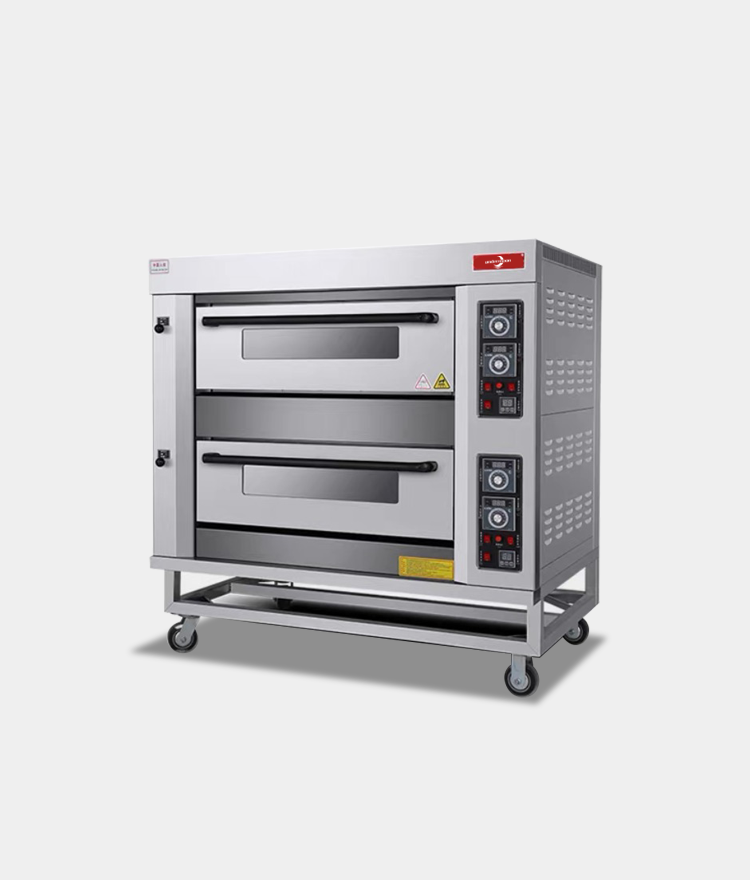
Bakeries choose double-deck ovens because they solve the basic problem of how to get the most work done in a small kitchen. A double deck electric baking oven can bake twice as much as a single-chamber unit without taking up more space on the floor. This makes it essential for businesses that are facing growth pressures. Because each chamber has its own temperature control, different products can be baked at the same time. For example, croissants can be baked at 180°C on one deck while artisan bread is baked at 250°C below. This ensures uniform quality across all product lines and cuts down on operational bottlenecks during peak hours.send inquiry.


Introduction
If you don't choose the right oven, your bakery chain might not be able to consistently produce high-quality goods across all of its locations, which could hurt the brand's image. Commercial bakeries need machines that can do a lot of work at once, use little energy, and are all the same when they're in a market with a lot of competition. In the past ten years, procurement heads of large bakery chains have used double deck electric baking ovens more and more as their main piece of production equipment. These units solve some of the biggest problems that procurement teams face, like making sure that all stores have the same high-quality products, making sure that daily production needs are met without adding on to expensive industrial kitchens, and lowering the need for highly skilled bakers by using programmable controls. This article talks about why these ovens have become so popular and how they help businesses grow.
Understanding Double Deck Electric Baking Ovens
What Makes Dual-Chamber Design Different?
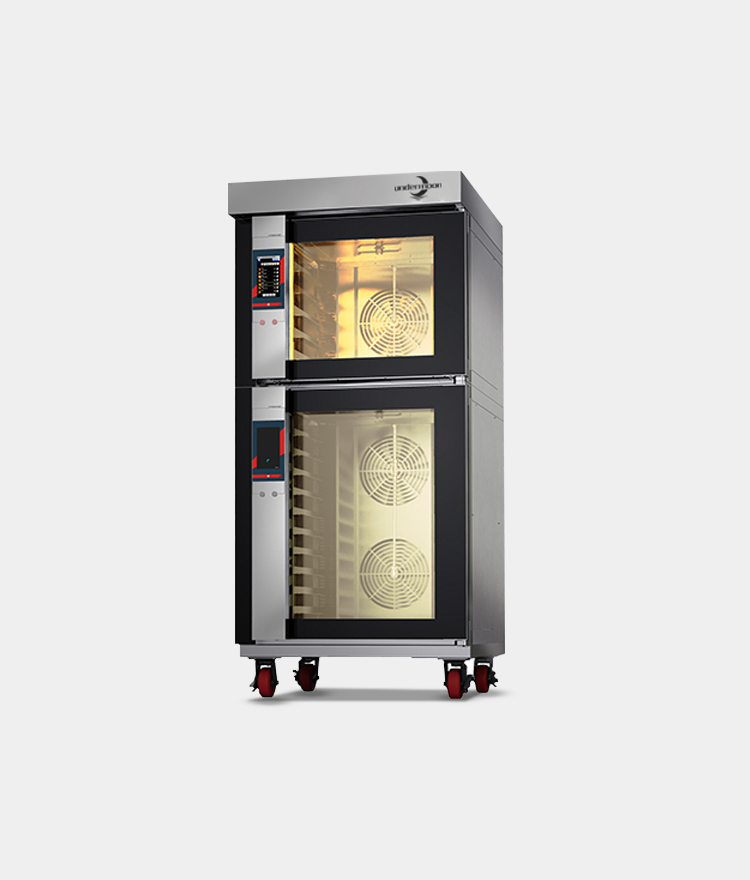
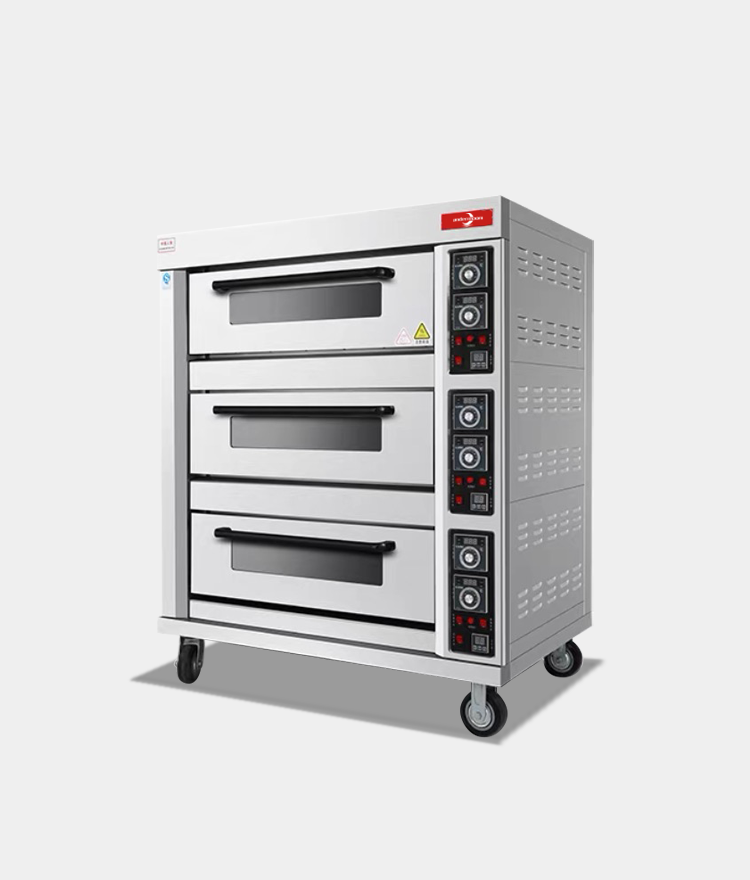
A double deck electric baking oven has two baking chambers that are stacked vertically and thermally separated from each other. Each works on its own with its own heating elements and control systems. Alternatives that use gas depend on burning and need complicated ventilation systems. On the other hand, electric models use resistive heating elements that turn electrical energy straight into precise, controllable heat. These elements are usually covered in Incoloy to make them last longer. Because of this basic difference, there are no temperature changes like there are in gas systems.
This way of engineering is shown by the Model SL-KXD2-4A from our plant. Each deck can hold two trays, making a 2-deck 4-tray arrangement that fits into a small space that is 1220 x 805 x 1220 mm. The 13.2KW power system with a 380V three-phase supply makes sure that the heat returns quickly between baking cycles, which keeps the production rhythm going while the machine is running all the time.
Digital Control Systems and Temperature Precision
In current digital control screens, analogue thermostats have been replacedouble deck electric baking ovend by PID (Proportional-Integral-Derivative) controllers, which keep the temperature within ±2℃ of accuracy. The computer panel system lets you make multi-stage baking programs, which are necessary for baking things that need to change temperatures several times. Artisan bread works best when the heat is turned up high at first and then lowered slowly. You can set this up once and have it happen consistently at every location in your chain.
The temperature range, from room temperature to 400℃, meets a variety of baking needs. You can make both delicate desserts that need low heat and high-temperature pizzas at the same time, and all of it can be done on the same piece of equipment. This flexibility lowers the cost of buying specialized ovens that are only used for one thing.
Key Benefits Driving Bakeries to Use Double Deck Electric Ovens
Space Optimization Without Compromising Capacity
Commercial kitchen real estate costs between $50 and $150 per square foot per year in big cities. A double deck electric baking oven can bake twice as much in the same space as a single deck unit. This means that you can make twice as much in half the space. When bakery groups open new stores, they can get away with smaller kitchens, which lowers their rent costs and makes the stores more profitable from the start.
The vertical design makes operations more efficient in ways other than just saving room. Bakers can get to both chambers from a single workstation, which cuts down on movement and speeds up work during times of high production. This physical benefit leads to gains in work efficiency that can be measured.
Consistent Output Across Multiple Locations
Maintaining consistent products is a constant task for franchise and chain businesses, no matter where they are located or how skilled the operators are. Programmable digital controls get rid of the guesswork that comes with baking by hand. If your product development team figures out the best way to make croissants, they can program every oven in your network to use that exact profile. The recipe should be baked at 175°F for 18 minutes, with humidity added at the 3-minute mark.
The thicker stainless steel structure and better insulation keep the temperature stable during long baking cycles. The thick insulation we use in our commercial units stops heat loss that leads to temperature drift. This is a common problem with cheaper equipment that causes batch differences. Your morning production team and evening shift both get the same results because the tools keeps the environment the same.
Energy Efficiency and Operational Cost Control
Electric ovens turn about 90% of the energy they receive into heat that can be used. In gas systems, on the other hand, combustion byproducts move a lot of heat up ventilation stacks, so only 45 to 60% of the energy is converted into heat that can be used. Better insulation in commercial dual-deck units keeps the heat produced inside the baking chambers, so less energy is needed to keep the temperature stable.
During partial-load operations, independent deck control saves even more money. One chamber can be used for early morning prep or late-night specialty production, while the deck that isn't being used stays off. This saves energy proportionally. This level of adaptability is very important for businesses whose production plans change often.
Advanced safety features, such as automatic shut-offs, keep equipment from getting damaged and energy from being wasted because of human error. If the temperature inside the chamber goes above what is safe, thermal cutoff switches turn on. This keeps the elements from burning out, which would require expensive fixes and production delays.
Comparing Double Deck Electric Baking Ovens with Other Oven Types
Electric Versus Gas: Operational Considerations
Gas ovens require dedicated natural gas lines or propane storage systems, plus substantial ventilation infrastructure to exhaust combustion products. Installation costs for gas systems typically run $8,000-$15,000 higher than comparable electric units when accounting for gas line installation and makeup air systems. Electric ovens eliminate these infrastructure requirements, offering particular advantages in locations where gas service is unavailable or prohibitively expensive.
Temperature uniformity distinguishes electric from gas systems. Combustion creates hot spots near burner locations and cooler zones in chamber extremities. Electric heating elements distribute heat more evenly throughout the chamber, reducing the edge-to-center temperature variation that causes uneven browning. Your product loss from over- or underbaked items decreases measurably with improved heat distribution.
Single Deck Versus Dual-Chamber Productivity
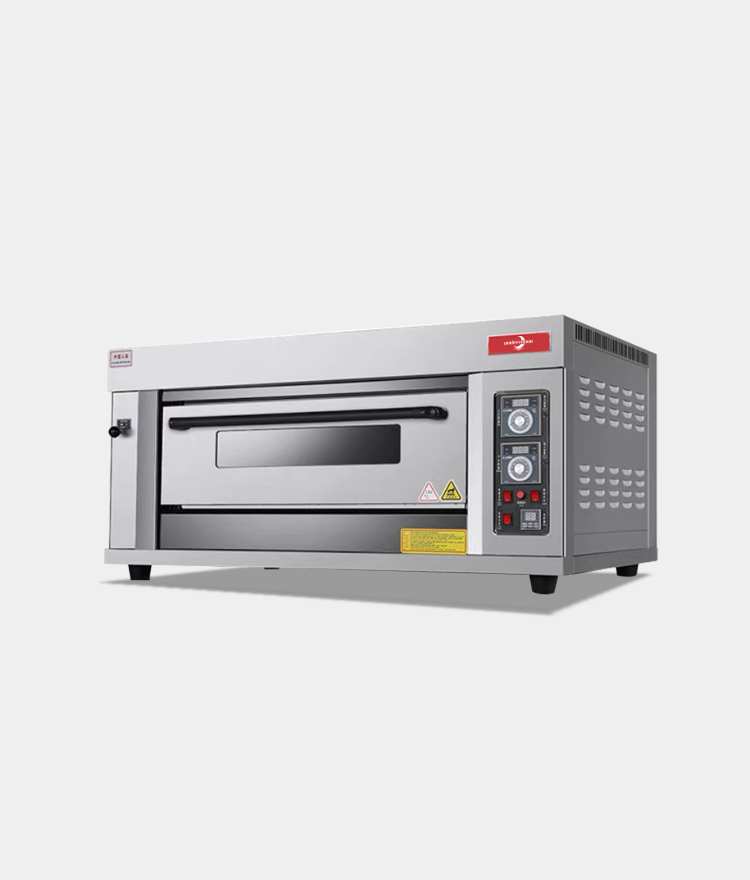
A single-deck oven producing 40 croissants per batch requires two complete baking cycles to match the 80-unit output from one cycle of a double deck electric baking oven. Beyond the obvious capacity difference, dual-deck systems reduce the labor-intensive loading and unloading frequency. Your staff spends less time on repetitive transfer tasks and more time on value-adding activities like finishing and packaging.
Production scheduling flexibility increases with dual-chamber capability. Rather than batching identical products to maximize efficiency, you can run complementary items simultaneously. Bread baking on the lower deck while pastries finish on the upper deck compresses your overall production timeline, enabling later start times or earlier completion—valuable advantages in labor-constrained markets.
Practical Procurement Guide for Double Deck Electric Baking Ovens
Assessing Your Operational Requirements
Calculate daily production volumes for each product category in your current or projected menu. A bakery producing 200 loaves plus 150 pastries daily needs different capacity than a pizza-focused operation running 300 pies during dinner service. The 2-deck 4-tray configuration suits medium-volume operations, while high-volume facilities may require multiple units or larger chamber sizes.
Physical facility constraints often dictate equipment selection more than production needs. Measure door widths, ceiling heights, and available electrical service capacity before specifying equipment. Our standard double deck electric baking oven is 1220mm wide, which fits through commercial door openings, but custom configurations may be necessary for constrained locations. Electrical service must support the 13.2 kW load plus startup surge current—verify your facility panel capacity with a qualified electrician.
Customization and Bulk Procurement Advantages
Bakery chains benefit from standardizing equipment across all locations, simplifying training, maintenance, and parts inventory. We offer customization in power supply configuration (adapting to local voltage standards), exterior finish options matching your brand aesthetic, and functional modifications for specific applications. Ordering multiple units for chain expansion typically qualifies for volume pricing structures that improve your capital equipment ROI.
OEM and private-label arrangements provide additional differentiation opportunities. Your branded control panel graphics and company colors create a cohesive visual identity throughout your production facilities. This seemingly minor detail impacts employee perception of quality standards and reinforces brand consistency during facility tours and marketing content creation.
Warranty, Service, and Maintenance Considerations
Comprehensive warranty coverage should include heating elements, control systems, and structural components. Our quality assurance testing validates each unit before shipment—every heating element undergoes resistance testing, temperature calibration confirms accuracy across all zones, and full-load operation testing verifies performance under actual working conditions. This pre-delivery validation reduces early failure rates that disrupt new store openings.
Maintenance requirements for electric ovens remain minimal compared to gas systems. No burner cleaning, flame adjustment, or gas valve maintenance enters your preventive maintenance schedule. Quarterly inspection of heating element condition and annual calibration verification constitute the primary maintenance tasks. We provide detailed service documentation and remote technical support to minimize your maintenance labor costs.
Real-World Case Studies & User Feedback
Productivity Gains in Expanding Bakery Chains
A Southeast Asian bakery chain operating 47 locations standardized on double deck electric baking ovens during a rapid expansion phase. Their procurement director reported that new store openings achieved full production capacity 30% faster than locations using their previous mixed equipment approach. Standardized training materials and identical operating procedures across all stores reduced the skilled baker shortage impact that had previously limited expansion velocity.
The chain documented a 42% increase in morning pastry production capacity after converting from single-deck equipment. This capacity expansion enabled them to supply wholesale accounts from existing kitchen facilities rather than investing in a separate production commissary—a capital expenditure saving exceeding $200,000.
Energy Consumption and Cost Reduction
A hotel restaurant group operating continuous service tracked energy consumption after replacing aging gas deck ovens with double deck electric baking ovens. Their facilities management team measured a 34% reduction in baking-related energy costs over a six-month period, despite increased production volume. The combination of superior insulation and elimination of pilot light consumption contributed to the reduction.
Independent deck control proved particularly valuable during their low-volume overnight service period. Running a single deck for limited late-night baking requirements cut energy consumption by 48% compared to their previous equipment that operated as a single unit.
Addressing Common Operational Challenges
Temperature calibration concerns arise frequently during the first months of operation. We recommend quarterly verification using a calibrated oven thermometer placed at the chamber center. If readings deviate more than 5℃ from the control panel setting, recalibration takes approximately 15 minutes using the adjustment protocol in the technical manual. Most operations establish this as a routine maintenance task requiring no external service calls.
Consistent product quality depends on proper loading practices as much as equipment capability. Overcrowding trays restricts airflow and creates uneven baking results. Training materials should emphasize maintaining adequate spacing between products and rotating tray positions between batches to compensate for any minor chamber variations.
Conclusion
Double deck electric baking ovens have become essential equipment for commercial bakeries because they address the core operational challenges that procurement directors prioritize: maximizing production capacity within constrained spaces, maintaining consistent product quality across multiple locations, and controlling operational costs through energy efficiency. The independent temperature control, programmable digital systems, and robust construction of modern dual-chamber units support the standardization requirements of expanding bakery chains. Our two decades of manufacturing experience designing commercial baking equipment specifically addresses the durability and reliability concerns that keep procurement professionals awake at night. The combination of doubled production capacity, reduced energy consumption, and simplified maintenance requirements creates compelling ROI that justifies the capital investment for operations committed to growth and quality consistency.
FAQ
What power requirements does a commercial dual-deck oven need?
Professional-grade models typically operate on 380V three-phase electrical service with power consumption around 13.2 kW. This configuration ensures rapid heat recovery between baking cycles essential for commercial production volumes. Single-phase 220V options exist for smaller capacity units, though these sacrifice some performance capability. Your electrical contractor should verify that your facility's service panel can support the continuous load plus approximately 20% additional capacity for startup surge current. The electrical installation should include appropriately rated disconnect switches and circuit protection meeting local electrical codes.
Can different products bake simultaneously on separate decks?
Independent temperature and timer controls on each deck enable simultaneous baking of completely different products without flavor transfer or quality compromise. Bake delicate pastries at 180℃ on the upper deck while crusty bread develops at 250℃ below. The thermal isolation between chambers prevents heat migration that would compromise temperature accuracy. This capability dramatically improves production scheduling flexibility and reduces the total time required to complete diverse product runs.
How frequently do heating elements require replacement?
Quality commercial heating elements in properly maintained ovens typically deliver 8,000-12,000 hours of service before performance degradation. Regular operation actually extends element life compared to frequent thermal cycling in intermittent use. Preventive inspection every six months using an ohm-meter identifies elements approaching end-of-life before complete failure disrupts production. Maintaining spare elements on-site for critical production equipment minimizes downtime if unexpected replacement becomes necessary.
Partner with undermoon for Your Commercial Baking Equipment Needs
Bakery chains and food service operations throughout North America and Southeast Asia trust undermoon as their double deck electric baking oven supplier because we combine manufacturing expertise with genuine understanding of commercial production challenges. Our 20-year track record producing multi-functional ovens means your equipment arrives backed by mature engineering and rigorous quality control processes. We test every heating element for thermal uniformity, verify temperature accuracy across all zones, and operate each unit at full capacity before shipment—quality assurance protocols that minimize your startup risks.
Customization capabilities set us apart from suppliers offering only standard configurations. We adapt power supply specifications to match local electrical standards, customize exterior finishes to complement your brand identity, and modify functional features to suit your specific applications. Procurement teams ordering multiple units for chain expansion receive volume pricing and coordinated delivery schedules that support your rollout timeline. Contact our team at undermooncn@gmail.com to discuss your specific requirements, request detailed technical specifications, or arrange factory inspection visits. Visit jslg888.aixdb.cn for comprehensive product information and to explore our complete range of commercial baking solutions.
References
1. Smith, J. & Anderson, K. (2023). Commercial Bakery Equipment Selection: A Procurement Guide for Multi-Unit Operations. Food Service Equipment Publishers.
2. National Restaurant Association. (2024). Energy Efficiency Standards for Commercial Cooking Equipment. Technical Report Series.
3. Chen, L. (2023). "Temperature Control Technologies in Modern Commercial Ovens." Journal of Food Equipment Engineering, 18(3), 127-145.
4. International Bakery Consortium. (2024). Best Practices for Chain Bakery Standardization. Industry White Paper.
5. Williams, R. (2023). The Economics of Commercial Kitchen Space Optimization. Hospitality Management Press.
6. Thompson, M. & Garcia, P. (2024). "Comparative Energy Analysis of Electric versus Gas Commercial Baking Systems." Food Service Technology Review, 12(1), 89-103.
Online Message