Sep 18, 2026
3 deck energy efficient oven vs Double Stacked Single Oven: Key Differences
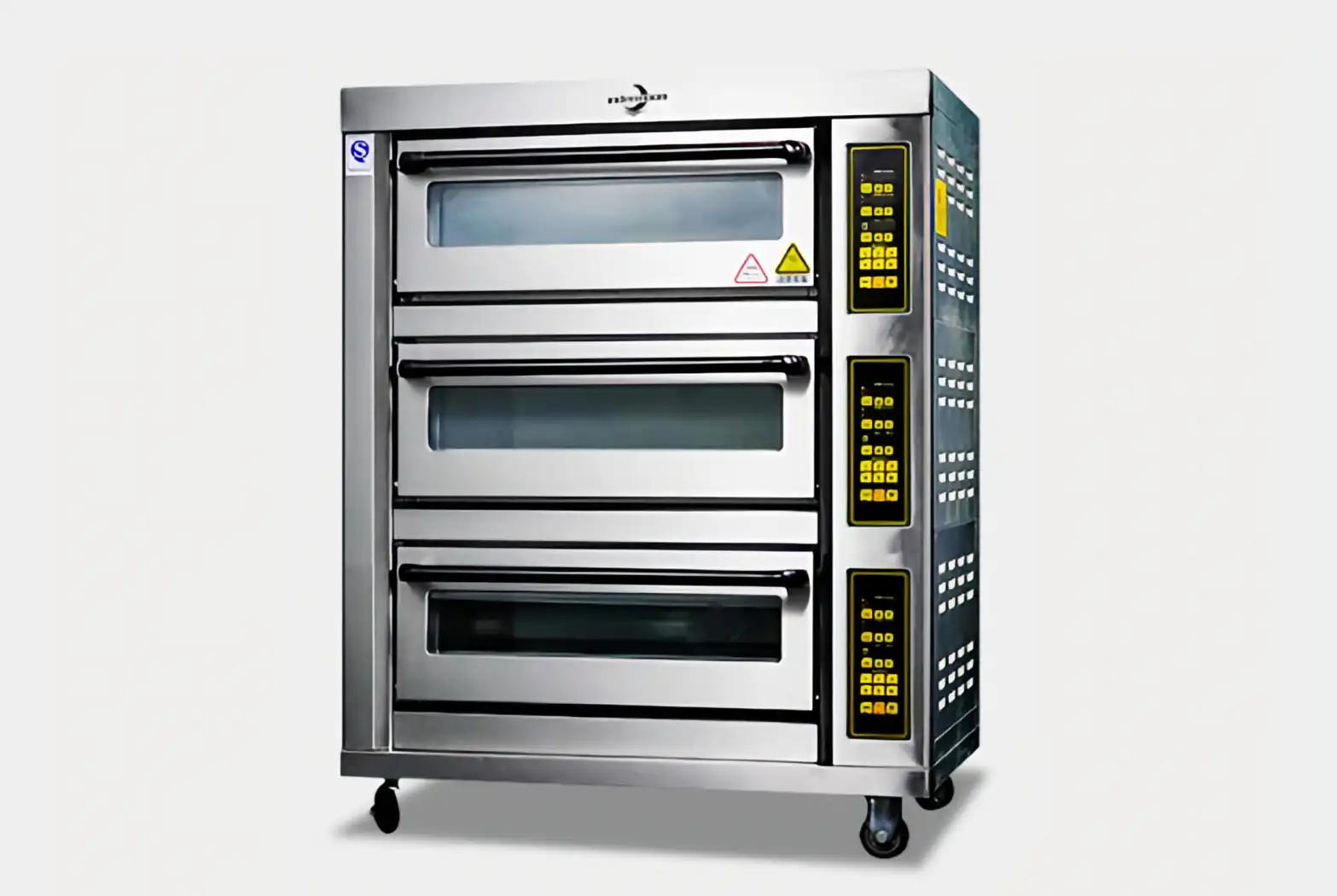
When selecting commercial baking equipment, understanding the distinction between an 3 deck energy efficient oven and a double-stacked single oven becomes crucial for optimizing production efficiency and product quality. The independent control design features separate temperature management for each deck or zone, allowing bakers to set different temperatures simultaneously—for example, proofing dough at 35°C on one deck while baking baguettes at 250°C on another. In contrast, double-stacked single ovens consist of two separate oven units physically stacked together, each with its own complete control system but lacking the integrated multi-zone flexibility. This fundamental architectural difference directly impacts operational versatility, energy consumption, and the ability to produce diverse products concurrently without flavor cross-contamination.send inquiry.

Understanding the Two Oven Types: Overview and Key Features
What Makes Independent Control Ovens Unique?
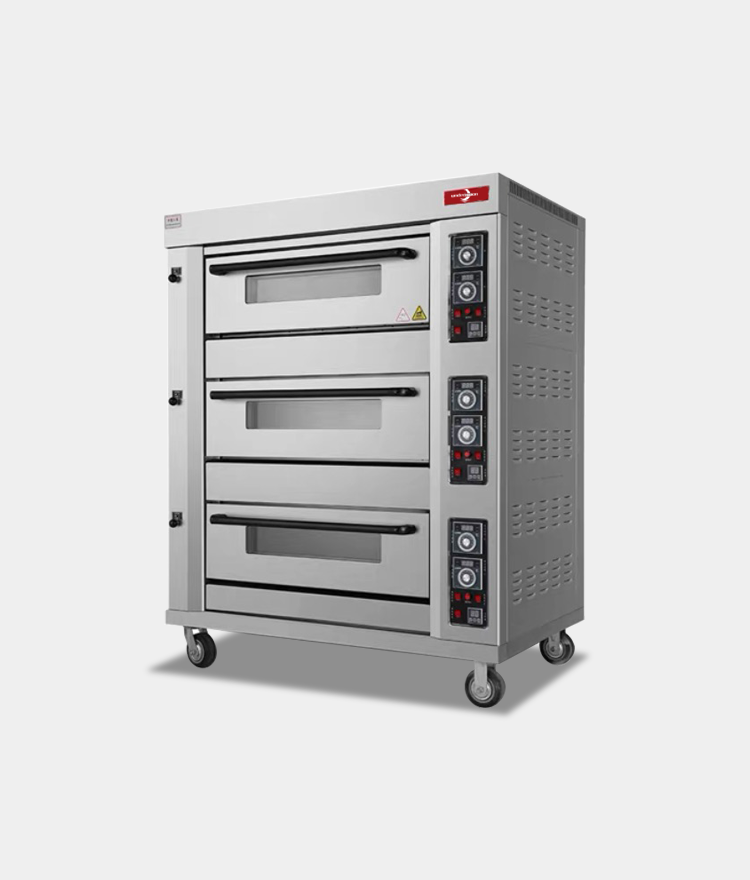
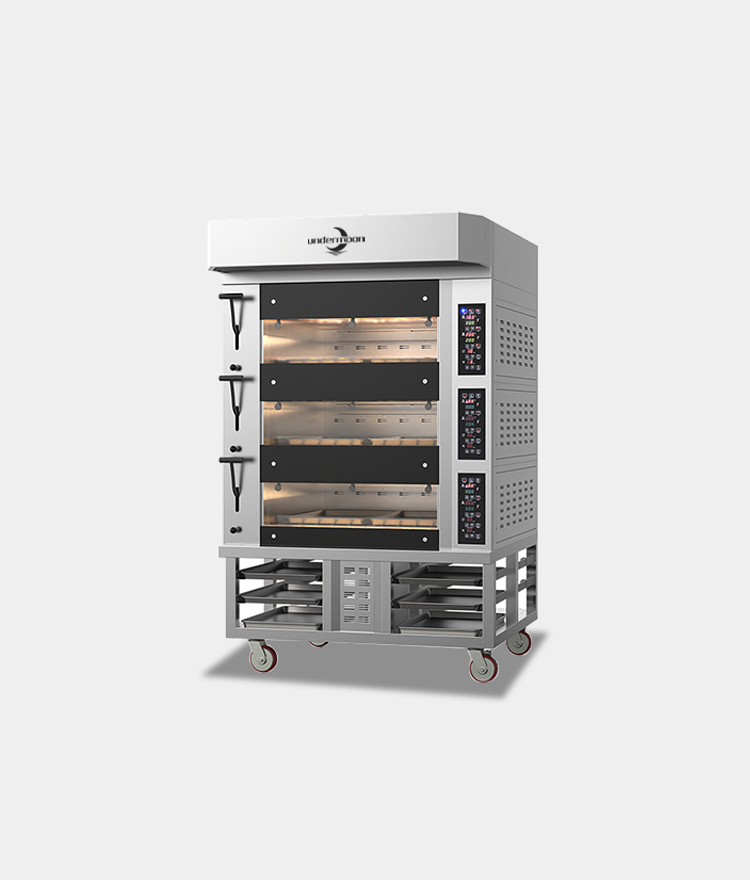
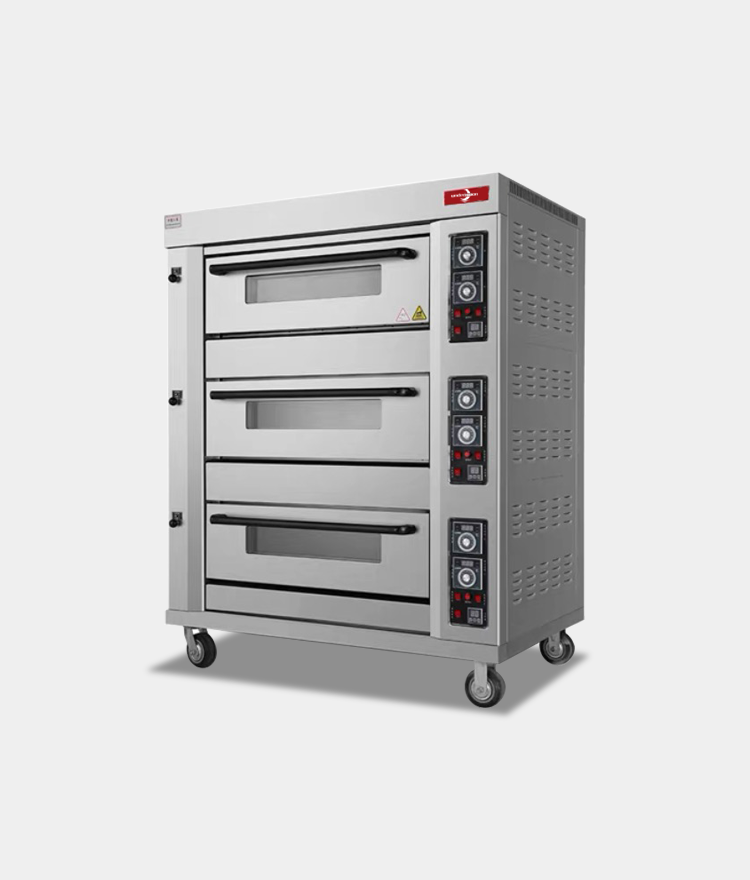
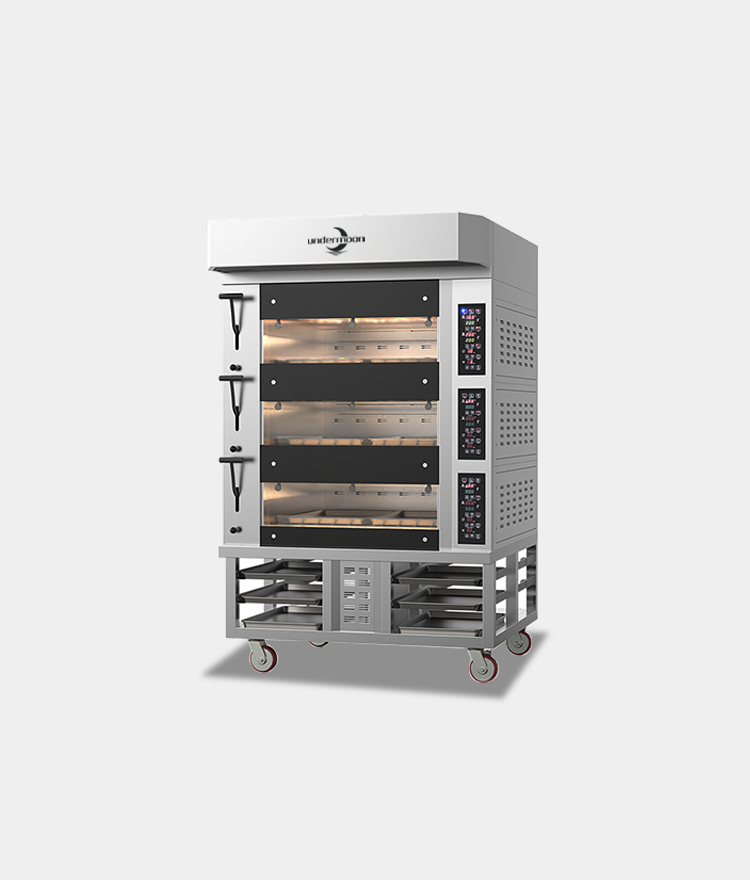
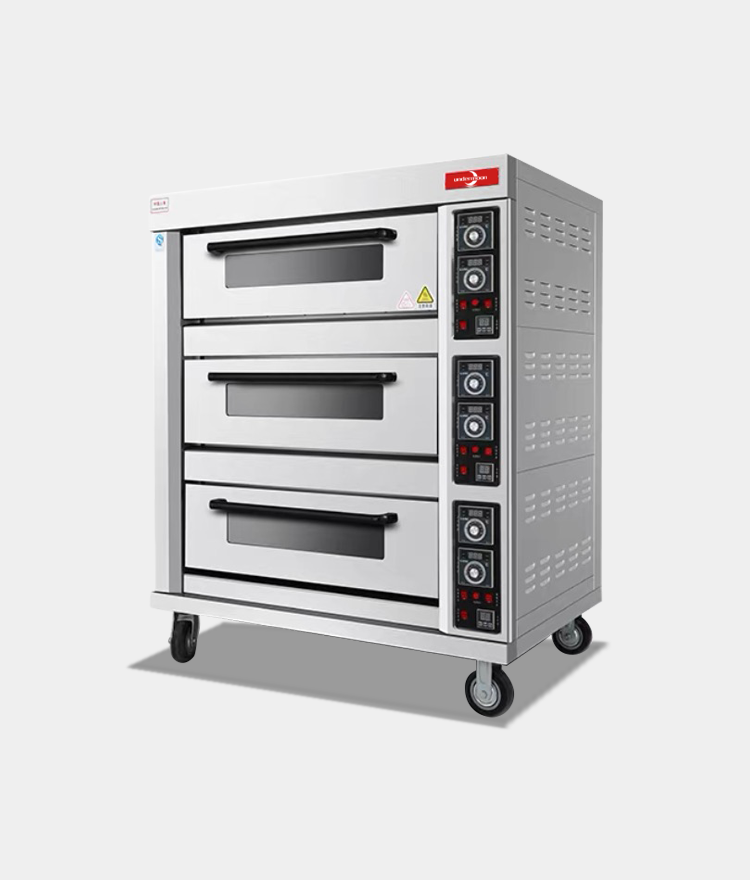
An 3 deck energy efficient oven has more than one baking room inside a single housing. Each deck has its own digital temperature and heating elements. After 20 years of making things, we know that this design solves the most important problem: uneven temperatures in high-volume processes. Each deck can work on its own, and the temperature ranges from room temperature to 400°C. This lets both delicate pastries and hearty artisan breads be made at the same time. Through advanced insulation barriers, the decoupled heating zones stop thermal interference, keeping the accuracy at ±1°C at all levels.
How Double Stacked Single Ovens Operate
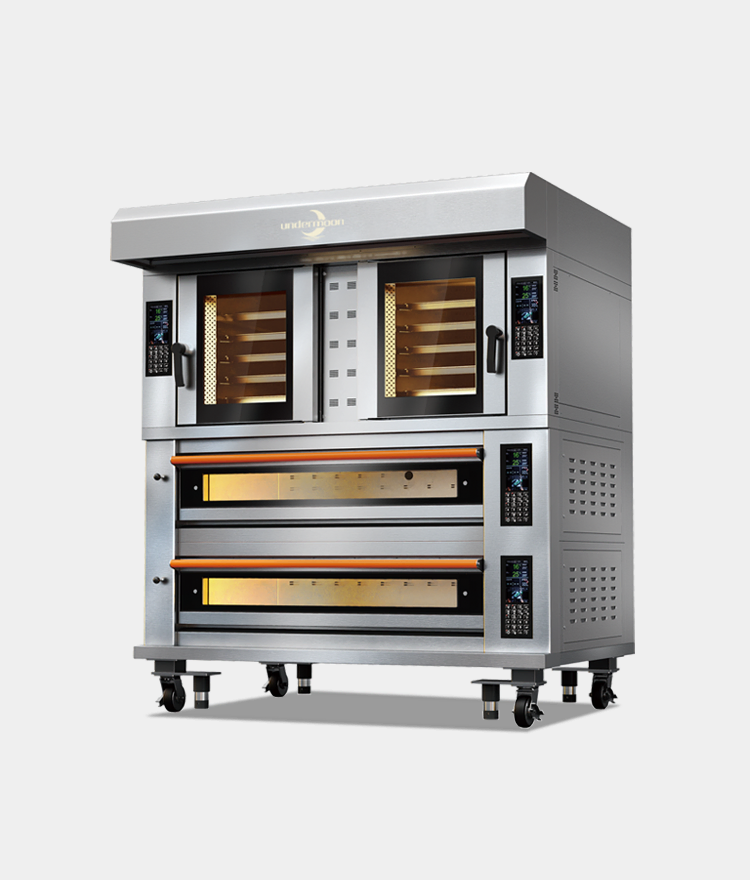
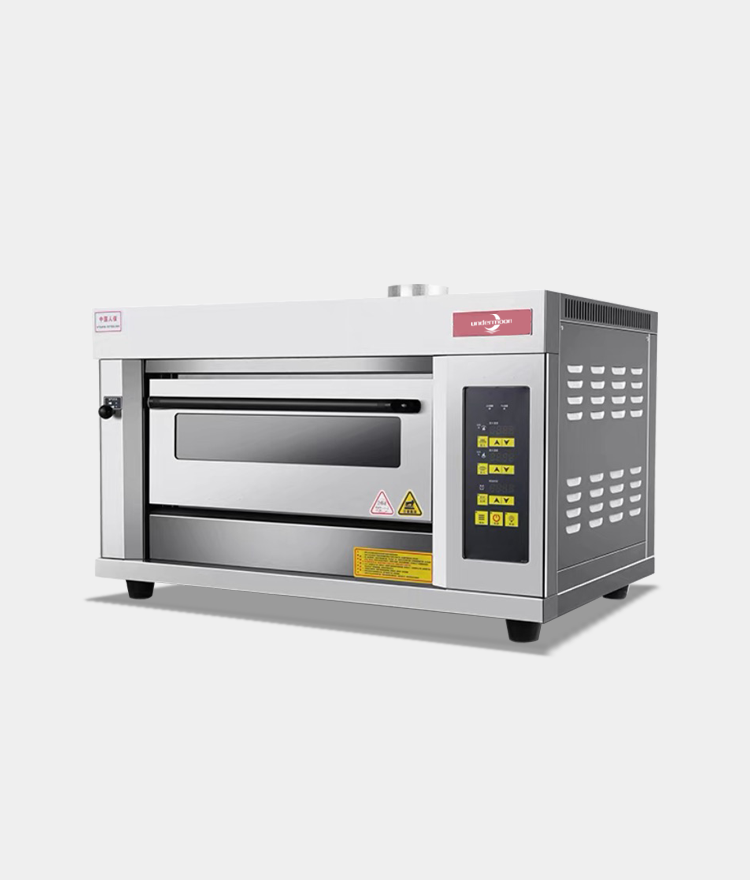
A more traditional method is to put two full oven units vertically to save room on the floor. These are called double-stacked single ovens. Each unit has its own power source, control panel, and heating system, so it works as a completely different appliance. This setup doubles the capacity while taking up less space, but it doesn't have the advanced combined control of multi-deck systems. Operators have to control each oven separately, making changes to the settings and keeping an eye on two different baking areas, which can slow things down during busy times.
Core Feature Comparison
Changes in architecture lead to real changes in how things work. Independent control baking systems allow for centralized tracking through a single digital interface. This makes supervision easier and cuts down on the time needed to train operators. The flexible deck design lets you choose which zones to run, so you can save energy by only running the ones that are needed during slower times. On the other hand, stacked single ovens need all of their units to be turned on at the same time, no matter how much is being made, which could waste resources. Independent control baking models have built-in insulation that keeps heat from escaping between decks. Stacked units, on the other hand, send extra heat into the kitchen, raising temperatures and cooling costs.
Performance Comparison: Efficiency, Control, and Cooking Quality
Temperature Precision and Zonal Management
With separate sensors and heating circuits for each deck, 3 deck energy efficient ovens provide more accurate temperature control. Our SL-KXD3-6A model keeps the temperature stable within ±1°C, which is important for making sure that handmade breads have a uniform crumb structure and macaron shells don't crack. Setting the bottom deck to 35°C for proofing, the middle deck to 250°C for sourdough, and the top deck to 180°C for croissants shows the operating freedom that isn't possible with stacked single-unit configurations. Without this accuracy, there is no room for guesswork, which can lead to wasted goods and inconsistent batch quality.
Energy Efficiency and Operating Costs
In terms of economy, gas-powered 3 deck energy efficient ovens are much better than electric models and stacked setups. Our customers say they save 30–40% on energy costs because of three things: selective deck activation during low-volume periods, improved insulation that stops heat migration, and optimized combustion efficiency in integrated burner systems. Gas heating quickly heats up, hitting 400°C in a lot less time than electric options. This means that less energy is used when the system is not in use. Because each full unit has to be preheated separately, double-stacked single ovens usually use more fuel and take longer to get ready for production.
Throughput and a Wide Range of Products
Commercial businesses can greatly benefit from being able to use multiple baking methods at the same time. During the same cycle, our 3-deck 3 deck energy efficient oven can make golden macarons that need low top heat, crusty bread that needs high bottom heat for oven spring, and delicate tarts that need gentle all-around warmth. This ability to handle multiple tasks at once improves daily output and gets rid of delays caused by batch changes. Our pizzeria customers really like that the oven can reach 400°C and that the top and bottom heat can be controlled separately. This way, they can get crispy stone-baked crusts and keep the cheese from burning. Stacking single ovens that can only reach the same temperature inside each unit forces production to happen in a certain order, which takes longer overall and limits operational flexibility.
When you look at these performance measures, it's clear that independent control baking technology changes the economics of industrial baking in a big way. Getting rid of shift time alone can increase daily production by 20–30%, which directly increases the amount of money that can be made without raising the cost of labor.
Maintenance, Troubleshooting, and Safety Considerations
Preventive Care Requirements
The modular form of the parts in 3 deck energy efficient ovens makes repair practices easier. The heating elements, thermocouples, and control circuits on each deck can be serviced and accessed separately, without having to turn off the whole system. To keep the precision at the specification level, we suggest that you calibrate it once a year using approved external thermocouples. The main things that are checked during routine maintenance are the state of the insulation, the gas valves, and the starting system. The SUS304 stainless steel construction doesn't rust and makes it easier to clean every day. High-density insulation panels keep heat from destroying the structure over a long period of time.
Troubleshooting and Downtime Management
When a component fails, the practical effect is kept to a minimum because independent control baking systems work on their own. The middle deck has a broken thermocouple, but the top and bottom decks can still work properly, so some output can continue while the problem is fixed. Diagnostic lights on digital control panels show exactly where the problems are, which speeds up the technician's response time. Sharing control boards or power supply problems can shut down a whole unit, which means that 50% of production capacity is lost. This makes fixing double-stacked single ovens more difficult. Our modular design philosophy makes sure that replacement parts fit together quickly, and most repairs can be done in just one service visit.
Safety Protocols and Risk Management
Through distributed thermal management and redundant safety systems, independent control and zonal control make things safer. Over-temperature protection, gas leak detection, and flame failure devices are built into each deck and work on their own. This extra safety feature stops chain failures, which happen when a single point of failure makes the whole system vulnerable. Being able to separate and shut down specific decks during problems while keeping operations going on zones that aren't touched is very helpful in business settings that are open 24 hours a day, seven days a week. Even though stacked single ovens have normal safety features, they don't have this specific way to reduce risk.
Decision-Making Guide: Which Oven Fits Your Commercial Needs?
Assessing Your Production Requirements
The first step in choosing the right oven design is to take an honest look at your products and how much you sell. Businesses that make more than one type of product at the same time, like patisseries that sell croissants, macarons, tarts, and specialty breads all day, benefit right away from having independent control and baking freedom. Because the thermal profile of each deck can be changed, there is no need for multiple ovens that are only used for one thing. This saves money on equipment and space in the kitchen. Our three-deck, six-tray design gives us enough space for small to medium-sized businesses while still letting us increase production as needed.
Budget Considerations and ROI Analysis
Although 3 deck energy efficient ovens may cost more at first than basic stacked units, they save a lot of money in the long run when you add up all the costs. Our customers have reported 30–40% lower energy costs. This, along with higher output from parallel processing, usually leads to a positive return on investment (ROI) within 18–24 months. Gas heating is great for businesses that want to save money because it heats up quickly and costs less to run than electric options. We offer a range of customization choices to make sure that the equipment fits your needs perfectly, without you having to pay extra for features you don't need. These include choosing the gas type (natural gas or LPG), matching the outer color to your brand, and adding functional modules like steam injection or stone decks.
Scalability and Future-Proofing
Businesses that want to grow or add new items to their menu should focus on getting equipment that can adapt to new needs. 3 deck energy efficient ovens are naturally scalable because they allow selective deck activation. For example, a new business can run on a single deck at first, eventually enabling more capacity as demand grows. The digital control panel works with multi-stage baking programs, which lets you create new recipes and improve the process so that it stays the same as the business grows. Single ovens that are stacked don't give owners much flexibility; when production needs go beyond their fixed capacity, they have to buy more equipment instead of making the most of what they already have.
Leading Brands and Procurement Tips for 3 deck energy efficient ovens
Evaluating Manufacturer Credentials
When looking for industrial baking tools, making sure the manufacturer knows what they're doing and can make it safely saves your investment. We have 20 years of experience designing and building commercial ovens. We use standard production facilities and strict quality control at every step, from choosing the parts to the final factory inspection. With this much experience, the thermal engineering is better, the construction is more durable, and the performance is reliable in high-intensity commercial settings. Before making a commitment to a seller, people who want to buy should ask for proof of manufacturing licenses, production capacity, and infrastructure for after-sales support.
Customization and the ability to be an OEM
Boutique bakeries and high-end pastry shops in Europe are looking for technology that is more and more customized to fit their needs and business. Our customization services are flexible enough to work with different voltage requirements, gas types (natural gas or LPG), panel styles, and capacity arrangements. We do OEM/ODM work for clients who need unique exterior finishes that match the look of their showrooms, private designs, and the integration of their brand name. This flexibility is especially helpful for businesses that are growing into new markets that have different utility standards or legal requirements. This way, they don't have to find different equipment lines for each area.
Warranty, Support, and Access to Parts
Long-term operational success depends on strong support after the sale and easy access to replacement parts. When looking at different suppliers, make sure that they have an inventory of spare parts, that they offer quick technical support, and that their warranties cover everything. As part of our promise, we will keep important parts in stock, provide technical instructions in English, and offer online diagnostic help to keep downtime to a minimum. Our 3 deck energy efficient ovens are designed in a way that makes it easy to change parts. Standardized parts make stocking less complicated. Professionals in procurement should work out clear service level agreements that cover things like reaction times, guarantees that parts will be available, and expert training for maintenance staff.
Besides these concrete forms of help, you should also look at the supplier's history of working with clients in similar operating situations. In Europe and Australia, our clients include bakery chains, hotel kitchens, central food processing facilities, and research and development labs. These are all places where dependability has a direct effect on the success of the business and the reputation of the brand.
Conclusion
Whether you choose 3 deck energy efficient ovens or double-stacked single ovens has a big impact on how well your business runs and the quality of the products you make. Through zonal temperature management, independent control baking technology gives you unmatched flexibility, letting you make a variety of products at the same time while using less energy and making operations simpler. Even though it costs more up front than stacked configurations, the extra money spent pays off in higher throughput, less waste, and lower utility costs. The independent control baking architecture gives businesses that want to stand out by offering a wide range of products and uniform quality benefits that make the extra cost worth it. This is especially true for European boutique brands, high-end patisseries, and specialized bakeries.
FAQ
Does heat from one deck affect adjacent deck temperatures in independent control ovens?
Professional-grade 3 deck energy efficient ovens have high-density insulation barriers and advanced thermal breaks that stop cross-deck thermal interference. Our tests show that each deck keeps its own temperature within ±1°C, no matter what the settings are on the decks next to it, even when the temperature difference between levels is more than 200°C.
Can independent control ovens accommodate both electric and gas heating?
Our main product line focuses on gas heating because it heats up quickly and has 40% lower running costs. However, we still offer electric heating in places where gas infrastructure isn't available. Gas types only need 220V power for the ignition and controls. Natural gas or LPG hookups provide the heat.
How do the two types of ovens compare in terms of how hard they are to maintain?
3 deck energy efficient ovens have a modular component architecture that makes it easier to fix problems and get new parts. Individual deck failures don't shut down the whole system, so some production can continue while repairs are made. When single ovens are double-stacked, they need different maintenance plans for each whole unit. This could make regular service twice as often and twice as hard.
What customization choices meet the needs of the European market?
Our OEM/ODM services include meeting CE standards for power (220V or 380V choices), gas type choice, color matching on the outside, and functional modules like steam injection systems and stone deck surfaces. We protect proprietary designs with non-disclosure agreements (NDAs) and keep production runs flexible so they can fit the needs of small brands.
What kinds of installation needs should facilities think about?
Our gas deck ovens need a 380V power connection (220V for the ignition and digital controls), a gas supply connection that works with either natural gas or LPG, and enough air flow to meet local industrial kitchen standards. The small footprint (1220 × 805 × 1500 mm) fits standard bakery layouts, and our installation instructions come with detailed information on how to use it.
Your Partner in Commercial Baking Excellence
undermoon is ready to help you buy equipment because they have been making multi-functional commercial ovens for 20 years. We have been making 3 deck energy efficient ovens for a long time and can offer full OEM/ODM customization services that make sure the equipment fits your needs and your brand's image. The SL-KXD3-6A model is an example of the high level of technical sophistication and build quality that our entire product line is known for. It has 3 separate decks, efficient gas heating, precise digital control, and is made of SUS304 stainless steel. Our engineering team creates custom solutions backed by strict quality control, whether you need voltage adaptation, gas type selection, steam injection integration, or custom outer finishes. Get in touch with us at undermooncn@gmail.com to talk about your unique needs and find out how our cost-effective manufacturing can help you stay competitive while still meeting the quality standards your brand requires.
References
1. Bakery Equipment Technical Standards Committee. "Commercial Deck Oven Performance Specifications and Testing Protocols." International Journal of Food Equipment Engineering, 2022.
2. European Baking Industry Association. "Energy Efficiency Benchmarks for Commercial Gas and Electric Ovens." Annual Technical Report, 2023.
3. Schmidt, Klaus. "Thermal Management in Multi-Deck Baking Systems: Comparative Analysis of Control Architectures." Food Manufacturing Technology Quarterly, 2021.
4. Lefevre, Marie and Giovanni Rossi. "Cost-Benefit Analysis of Independent Temperature Control in Artisan Bakery Operations." Journal of Culinary Equipment Research, 2023.
5. National Food Service Equipment Association. "Safety Standards for Commercial Gas-Fired Baking Ovens." Technical Publication Series, 2022.
6. Williams, Robert J. "Customization Trends in European Commercial Baking Equipment Procurement." B2B Food Equipment Markets Review, 2023.
Online Message