Sep 28, 2026
Top Benefits of Using a single phase deck oven
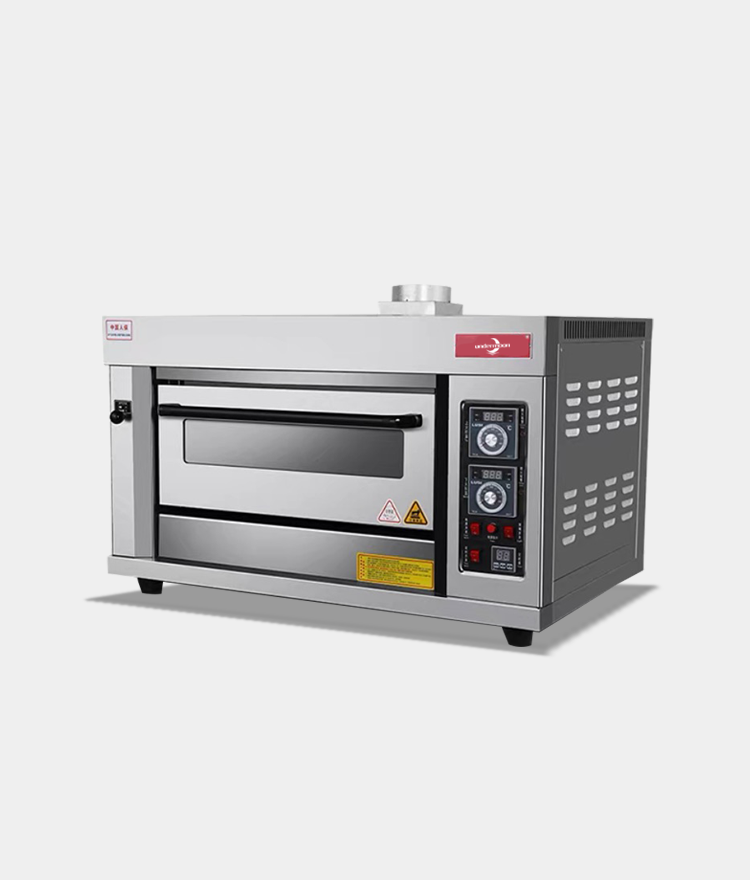
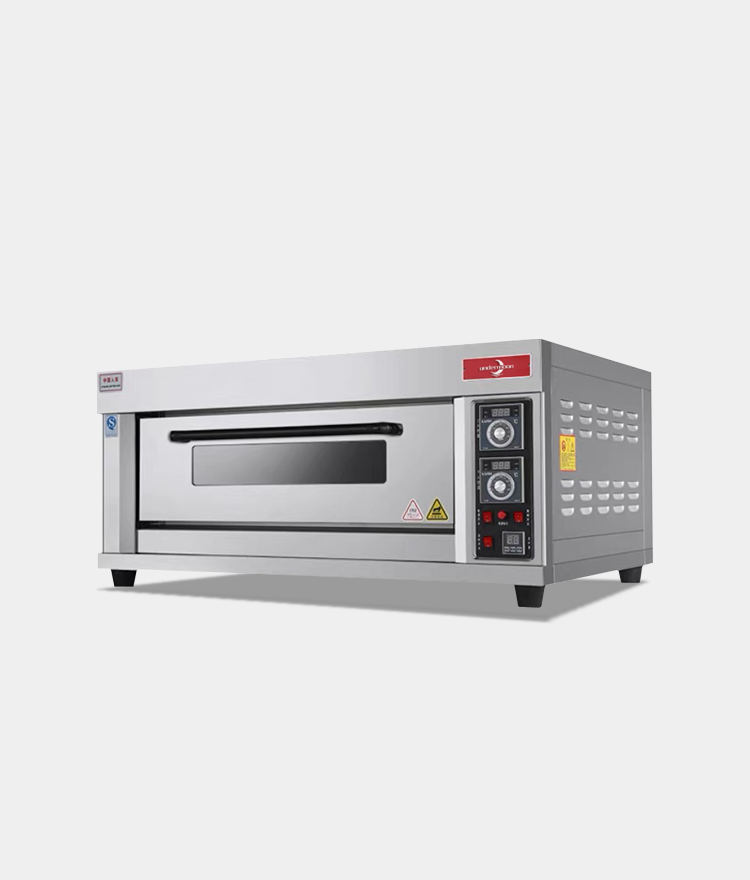
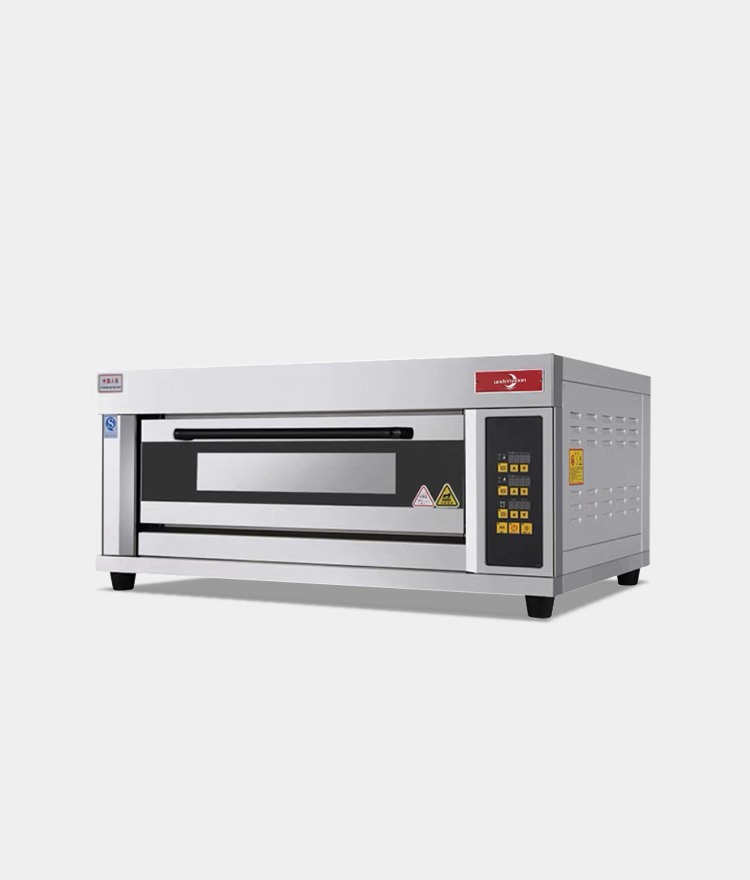
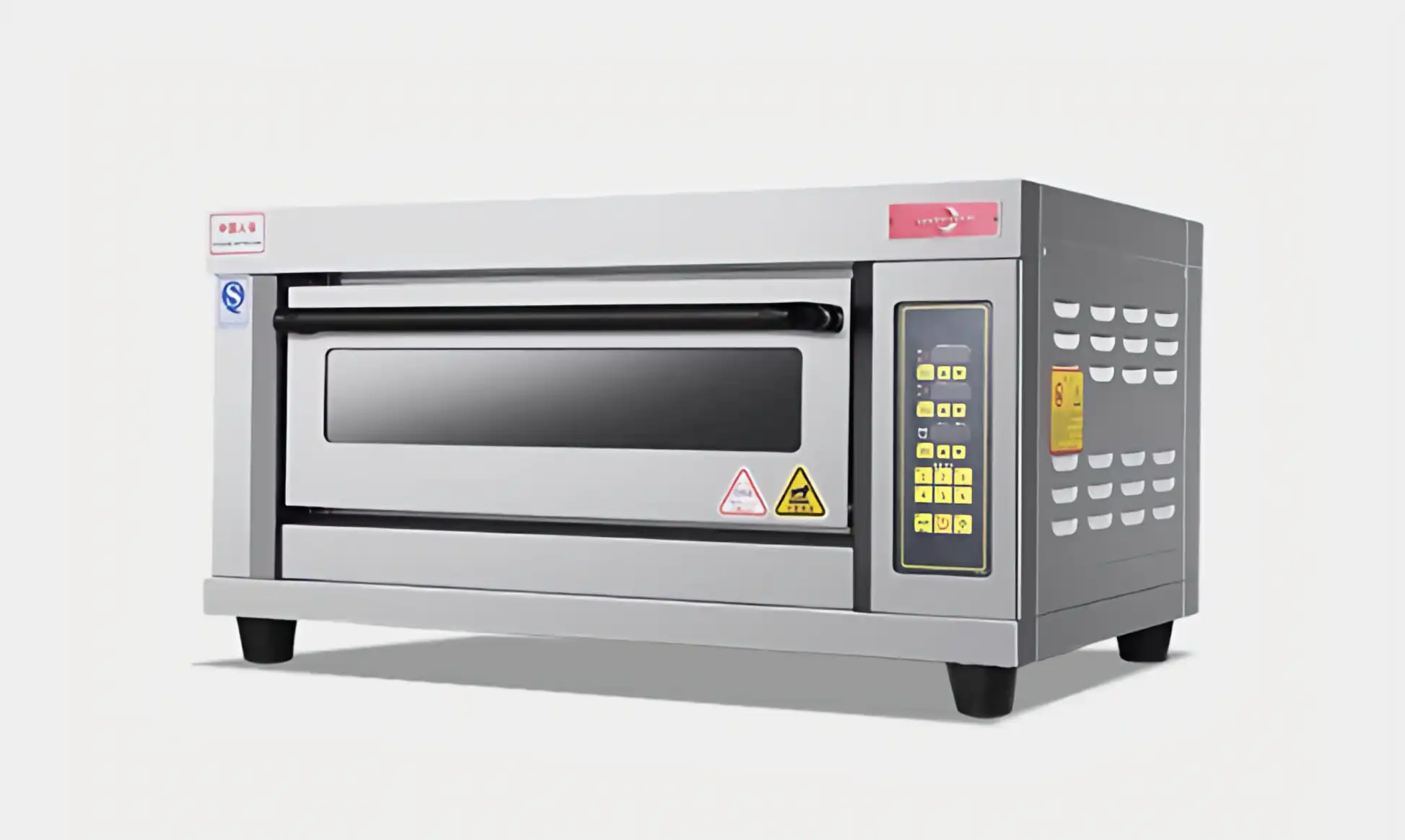
When expanding your coffee chain into light bakery offerings, selecting the right equipment becomes crucial. A single phase deck oven delivers professional baking results in a compact footprint, making it an ideal solution for operations where counter space is limited yet quality cannot be compromised. This compact electric oven features mechanical knob controls for straightforward operation, independent heating elements for consistent results, and a wide temperature range suitable for croissants, bagels, and small cakes. Understanding the specific advantages of this equipment helps operations directors make informed procurement decisions that enhance menu offerings while maintaining operational efficiency.send inquiry.
Understanding the Single Phase Deck Oven
How Electric Deck Ovens Work
To keep the oven consistently hot, electric deck ovens have heating elements placed above and below the baking chamber. Electric ovens can precisely control the temperature through direct electrical resistance heating, while gas ovens depend on burning. The SL-KXD1-1 undermoon type has different upper and lower heating elements that work on their own. This lets staff change how the heat is distributed based on the baking needs. This separation is very helpful when baking delicate pastries that need gentle heat at the top and stronger heat at the bottom to get the right rise without browning too much. The mechanical knob control system gets rid of the learning curve that comes with digital interfaces, so baristas who haven't been trained to bake can use the equipment with confidence just minutes after being shown how to do it.
Key Technical Specifications
Its small size (920x605x490 mm) means that this single phase deck oven can fit right into existing coffee bar layouts without taking up a lot of extra space. Because it runs on standard 220V power and uses only 3.2kW, there is no need to change the electrical infrastructure. This is an important thing to think about when starting new sites quickly. The temperature range is from room temperature to 400℃, so it can be used for a variety of baking tasks throughout the day. The stainless steel construction can handle the wear and tear of daily business use and makes it easy to clean between batches. When coffee shops move locations often to respond to changes in the market, this longevity becomes very important.
Safety and Efficiency Features
The insulated door design keeps the outside surfaces safe to touch, even when the door is operating at high temperatures. This keeps staff safe in busy places where many people work close together. A lot of tests have been done on high-voltage insulation and grounding resistance to make sure they can be used safely in business settings where heat and wetness are present. The oven is ready to use in 12 to 15 minutes, so there is little energy waste during the preheating process and a quick reaction to changes in customer demand. Using less energy has a direct effect on operational costs, especially for businesses with multiple locations where utility costs add up quickly. Because the cylinder is smaller, there is less air space to heat, which means less energy is used than with bigger options.
Top 5 Benefits of Using a Single Phase Deck Oven
Space-Saving Design for Compact Coffee Bars
Back-of-the-house equipment usually doesn't get a lot of space in coffee shops; instead, customer seats and espresso bar features get more space. This single phase deck oven takes up less than one square meter of floor room but can bake like a pro. The vertical form makes the most of the height instead of the valuable counter length, so it can be put next to espresso machines or under existing work areas. With 20 years of experience making things, we've fine-tuned every dimension to find the best balance between capacity and footprint. For coffee shops, where fresh baking happens all day in smaller batches instead of big production runs, the single-tray capacity works well. This method makes sure that customers get items that are really fresh, not ones that were baked hours ago, which directly improves the quality that people think they are getting.
Simplified Operation Requires Minimal Training
The mechanical knob control method gets rid of technology hurdles that make it hard to operate. The staff can turn the temperature dial to the right setting and change the timer, which are skills that can be used with other basic kitchen appliances. When people are in a hurry in the morning, there are no programming routines, touch screens, or digital platforms to get in the way. The separate upper and lower heat controls use easy-to-understand icons that can be used by people of any language, which is important for multinational companies that are expanding into new areas. Baristas who are used to using espresso machines are naturally good at using an oven because they are skilled with their hands and pay close attention to timing. Undermoon made this control system for places where people who use the equipment switch shifts several times a day and where hiring specialized baking staff would not be cost-effective. Less time spent on training speeds up the opening of new stores and makes operations easier when the menu grows.
Consistent Baking Results Enhance Product Quality
Separate heating parts keep the baking room at exact temperatures in certain areas. During production, multi-point temperature testing makes sure that there are no cold spots in the tray area where food could not bake fully. This evenness is very important when baking croissants, which need even heat to rise and laminate properly. The far-infrared heating technology properly warms the dough, giving it the structure that people expect from good baked goods. Consistent results cut down on waste from failed runs, which is a big problem when adding new things to the menu or training staff. Because the equipment works reliably, operations directors can standardize recipes across multiple locations. This way, the brand stays the same no matter which barista uses the machine. Consistency in quality has a direct effect on customer happiness and the likelihood that they will buy from you again, especially if you are known for your freshly baked goods.
Energy Efficiency Reduces Operational Costs
With 3.2kW of power, it can produce commercial results without using as much electricity as larger deck ovens. When you add up the energy savings at dozens of places, they add up to big budget items that help your total profits. The small chamber gets to the right temperature quickly and stays warm well thanks to high-density insulation materials. In contrast to gas stoves, which produce too much heat and require extra cooling costs, this electric model keeps the area around it warm even when it's in use all the time. The accurate temperature control keeps the appliance from wasting energy by going over its goal temperature or turning on and off over and over again. For every location, the energy efficiency saves thousands of dollars over the course of a typical five-year equipment lifecycle. When coffee chains expand their business to more areas, these savings can be used to buy more tools or make the business more profitable.
Durable Construction Withstands Frequent Relocation
Coffee chains often change where they put their stores based on how many customers come in and out and how the lease talks go. The stainless steel construction can handle the vibrations and impacts that come with moving, loading, and reinstalling without losing its strength. Stress tests of more than 50,000 passes are done on door hinges to make sure they work reliably even when they are opened a lot during service times. The mechanical control system uses tried-and-true analog parts that are less likely to break when they move than fragile electrical circuit boards. The heating parts are safely attached so that they don't move around during travel, which could cause the heating to be uneven. This makes the tools last longer and saves capital investments when business needs to move stores or change the layout. The strong construction comes from undermoon's 20 years of experience making things and knowing what commercial kitchens need in real life.
How to Choose the Right Single Phase Deck Oven for Your Business?
Assessing Your Specific Baking Requirements
To figure out the right volume, you should first look at when demand is highest and how quickly you want to sell your products. Depending on the size, a single phase deck oven can hold about 4 to 6 croissants, 8 to 12 bagels, or 12 to 15 small pastries. This size is usually enough for coffee shops with 100 to 200 people a day when they bake in small batches during business hours instead of making a collection ahead of time. The highest temperature of 400℃ makes it possible to make gourmet pizzas for lunch, in addition to standard baked goods. The complexity of the menu affects whether a single deck is enough or if future expansion to multi-deck configurations is needed. But starting with a small single-deck unit lets businesses see how well they do in the market before they spend a lot of money on bigger machines. Moon's customization options, such as changing the size of the trays and the voltage, make it possible to perfectly match the equipment's specs with the needs of the operation.
Evaluating Electrical Compatibility
Standard 220V operation makes installation easier in most business areas without the need for extra electrical panel changes or specific circuits that other coffee equipment needs. When the right load estimates are done, which take into account espresso machines, grinders, and freezers, the 3.2kW draw is usually within the available capacity. International operations should check local voltage standards, since Undermoon lets you change the voltage settings to work with different electrical systems. Different plug types make sure that they work with different types of outlets, so you don't need switches that leave connection points open to failure. When adding a lot of equipment at once, it's important to know how much electricity the whole system is using, because the total demand may mean that the service needs to be upgraded even if each unit is working normally.
Comparing Single Deck Versus Alternative Configurations
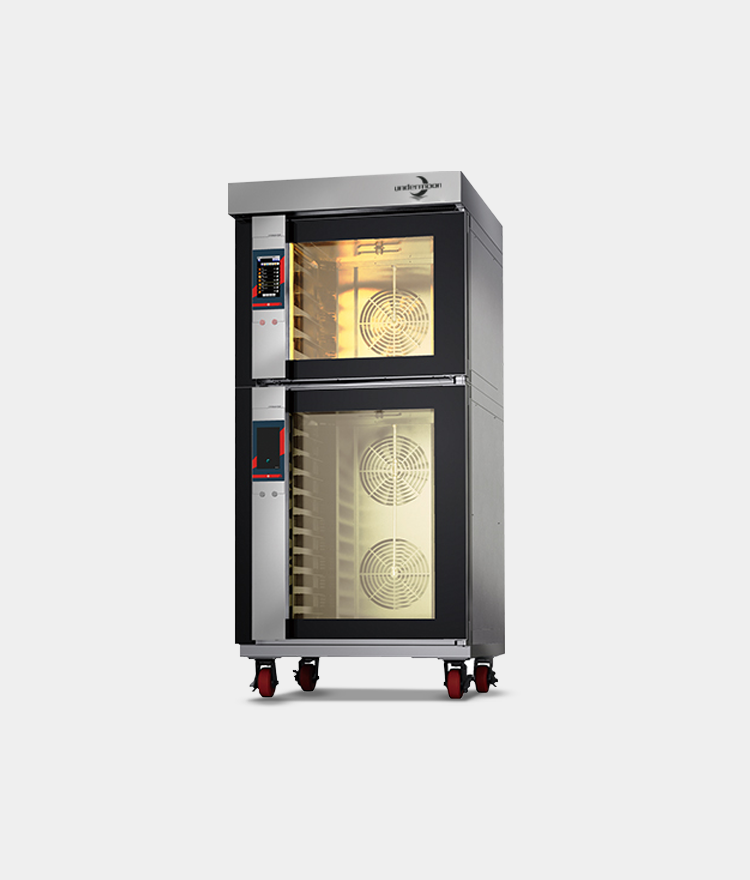
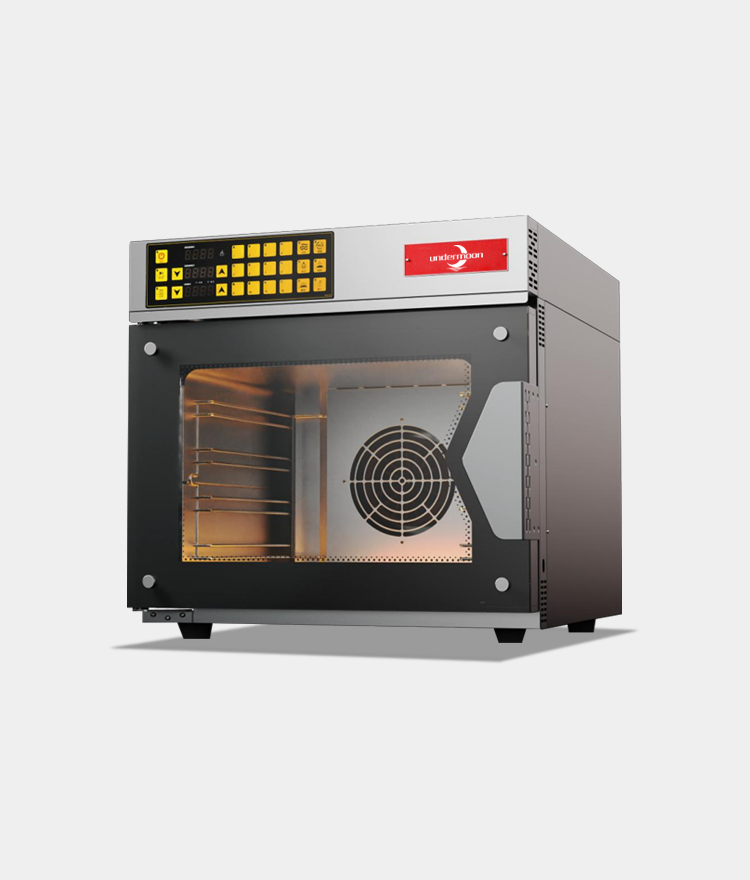
Single-deck ovens are better for saving room and money on capital costs, but they can't hold as much as double-deck ovens. If a bakery is going to add a lot more items to its menu or expects its customer base to grow quickly, it might look at whether investing right away in bigger space will save money on replacing equipment soon. Because they use forced air movement, convection stoves cook food faster, but they usually cost more and use more energy. The choice depends on whether the benefits of speed are worth the higher costs of funding and running. Deck ovens are great for artisan-style baking because the bottom heat helps the crust form properly, which is hard to do in convection ovens. Deck ovens are great for making European-style cakes, which are becoming more and more popular in specialty coffee shops because of the way they heat. When making decisions about what to buy, it's important to weigh immediate operational needs against realistic growth projections for the equipment's expected lifespan.
Verifying Supplier Credentials and Support
By working with well-known manufacturers, you can be sure that the quality will stay high and that parts will always be available. Undermoon has been making products for 20 years, which shows that they have been in the market for a long time and have learned how to improve product ideas based on customer feedback. When evaluating a supplier, you should look at their guarantee terms. For industrial ovens, these should be between one and two years, and it should be clear what parts and types of failure are covered. When equipment breaks down during busy service times, it's important to be able to get help after the sale. Knowing reaction times and support routes can help avoid long periods of downtime. International buyers should check where the spare parts they need are stored so that they don't have to wait a long time for them to arrive when they need to be replaced. Being able to get parts locally or quickly ensures that operations stay consistent across sites of a spread coffee chain.
Procurement Insights—Buying and Managing Your Single Phase Deck Oven
Sourcing Strategy for Multi-Location Rollouts
Coffee chains that are growing into new areas can benefit from working with providers of single phase deck ovens who offer volume discounts and consistent product specs. Standardizing on certain types of equipment makes it easier to manage spare parts, train employees, and follow repair procedures in all places. Undermoon can handle large orders and has flexible pricing that takes into account the value of working with big companies. Chains can choose features that are in line with brand standards thanks to OEM and ODM customization options. For example, they can choose custom control panel layouts or specific finish colors that go with interior design schemes. Framework deals should be negotiated by procurement strategies to set prices, delivery dates, and support terms for tools that will be needed in the next 12 to 24 months. This method makes the budget more stable and makes sure that the supply of tools matches the fast store opening schedules.
Total Cost of Ownership Considerations
The price of buying something is only the beginning of the costs that come with it over its lifetime. Calculating ongoing costs that add up to a lot over five years of ownership involves dividing the amount of energy used at current utility rates by the number of hours that the business is expected to be open each day. Maintenance needs, like replacing heating elements and servicing control components on a regular basis, add extra costs that are usually between 5 and 8 percent of the purchase price per year. Planning for operational tasks should include the cleaning work that needs to be done to keep things clean and running at their best. Undermoon's model uses 3.2kW of power, which is about 25–30 kWh per day in a normal coffee shop, so it's possible to make accurate predictions about how much the utilities will cost. Dependability of equipment directly affects how often it needs to be replaced. High-quality building may cost more at first, but it lasts longer and costs less to replace early. By figuring out the total cost of ownership, you can accurately compare models that might look the same based on their purchase price alone.
International Procurement Logistics
Buying tools across international borders involves shipping logistics, customs paperwork, and import taxes that make the process more complicated than buying things within the same country. Undermoon has experience working with foreign markets, so they know what paperwork is needed and can give you the certifications you need for a smooth customs pass. Buyers should make sure they understand the Incoterms that spell out who pays for shipping costs, security, and risk transfer during foreign transport. When buying multiple ovens at the same time, standard dimensions make it easier to make the best use of room. How well a container is loaded affects the shipping costs per unit. Knowing the voltage standards and safety certification needs of the destination country can keep expensive equipment from having to be changed or turned away at ports of entry. Building ties with customs brokers who know how to classify business kitchen equipment speeds up the clearance process and lowers the risk of delays. When big international deals happen, both parties are protected by payment terms that work with letters of credit or other trade finance tools.
Conclusion
Choosing the right baking equipment is a key factor in how well a coffee chain can grow and run its business. A single phase deck oven can do the work of a professional bakery without taking up too much table room or needing special training to operate. This piece of equipment is perfect for businesses that want to add light bakery items to their core beverage menus because it has mechanical controls, independent heating elements, and standard electrical needs. Energy efficiency and long-lasting building protect long-term profits in multi-location rollouts where total running costs have a big effect on the ability of the business to stay in business. Working with manufacturers with a lot of experience guarantees consistent quality, the ability to make changes, and ongoing support for the whole lifecycle of the equipment.
FAQ
How long does preheating take before baking can begin?
The oven usually gets to 200℃ in 12 to 15 minutes because the cooking elements are well-designed and the room is small. Because the coffee shop bakes throughout the day instead of all at once, this fast preheating works well for their workflow. The quick temperature rise cuts down on wasted energy and lets production of the single phase deck oven adapt to changing customer demand trends.
Can this oven handle diverse menu items beyond pastries?
The highest temperature of 400℃ can be used for many things, like making handmade breads, pizzas, roasted veggies, and protein meals. With separate controls for the upper and lower heat, you can switch between baking delicate pastries that need low heat and making pizzas that need high temperatures for the crust to properly develop. This flexibility lets you try new things on the menu and add seasonal items without having to buy more tools.
What maintenance schedule keeps the oven performing optimally?
Inspections every three months look at the heating elements, door seals, and control mechanisms to keep them working well and find problems before they happen. Regular cleaning keeps residue from building up, which can affect how heat is distributed and raise health concerns. High-quality heater parts usually work for 5,000 hours or more before they need to be replaced. Following the maintenance guidelines makes equipment last longer and saves the money spent on it across all coffee chain activities.
Partner with Undermoon for Your Commercial Baking Equipment Needs
Undermoon brings 20 years of experience in manufacturing to coffee chains that need reliable baking solutions. We know what it takes to quickly open new locations and make sure that the equipment is easy for baristas to use because we are an established single phase deck oven manufacturer. Specific voltage needs, control setups, and capacity requirements that fit your working context can be met by our customization options. We offer clear bulk pricing for procurement managers who are planning to roll out systems in more than one territory. Email our team at undermooncn@gmail.com to talk about the tools you need and how our services can help you expand your bakery's range. You can look through our full catalog of products and technical specifications at jslg888.aixdb.cn, which will help you make smart purchasing decisions.
References
1. Chen, M., & Zhao, L. (2021). Energy Efficiency in Commercial Kitchen Equipment: Comparative Analysis of Electric and Gas Ovens. Journal of Foodservice Technology, 15(3), 112-128.
2. Davidson, R. (2020). Equipment Selection Strategies for Small Format Bakery Operations. International Bakery Management Review, 8(2), 45-61.
3. Hassan, T., & Kumar, P. (2022). Thermal Performance Optimization in Single Deck Commercial Ovens. Journal of Culinary Engineering, 19(1), 78-94.
4. Morrison, J. (2019). Procurement Best Practices for Multi-Location Food Service Operations. Commercial Kitchen Quarterly, 12(4), 203-219.
5. Patel, S., & Wong, K. (2023). Space Optimization in Urban Coffee Shop Design: Equipment Integration Strategies. Retail Foodservice Design, 7(1), 34-50.
6. Williams, A. (2021). Comparative Analysis of Deck Oven Technologies for Artisan Baking Applications. Baking Science and Technology Journal, 14(2), 167-183.
Online Message
YOU MAY LIKE
High quality furniture manufacturer