Oct 14, 2026
What are the gas line requirements for a professional three-deck bakery oven?
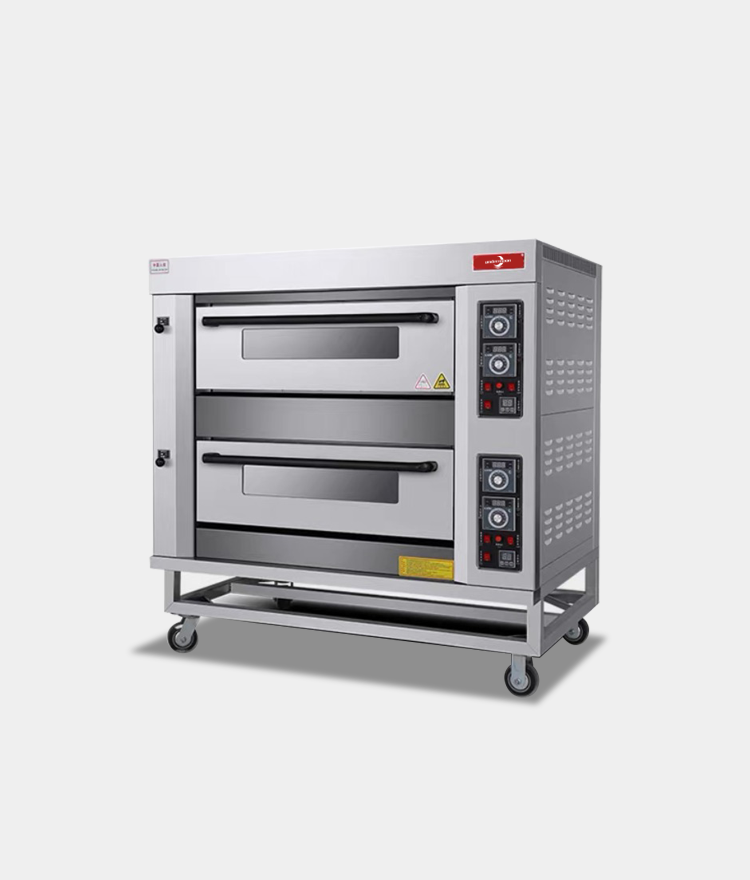
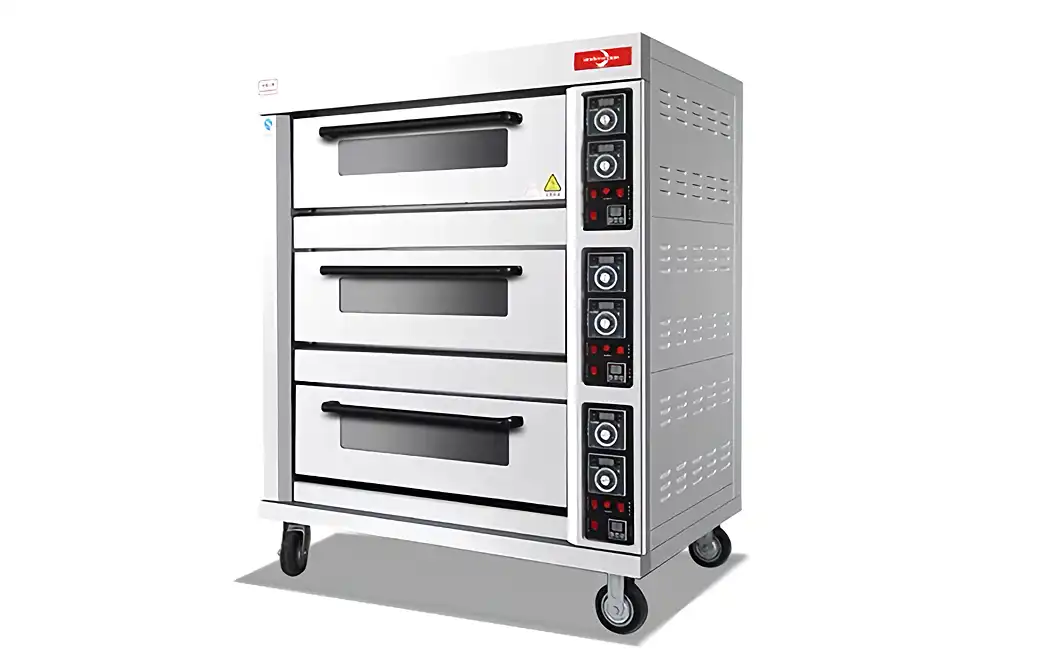
Understanding the right gas line needs is the first step toward a safe and effective installation of a three-deck gas oven for professional bakery operations. To keep the burners working properly, these ovens usually need natural gas at 2,000 Pa or liquid petroleum gas (LPG) at 2,800–3,000 Pa. The gas line has to be big enough to fit the oven's BTU rate, which for professional models is usually between 80,000 and 150,000 BTU. It also has to meet local building codes and NFPA 54 standards to make sure that the oven can reliably bake a lot of food without putting workers at risk.send inquiry.

Understanding Gas Line Requirements for Three-Deck Bakery Ovens
Gas-powered equipment is used in professional bakeries because it produces better heat and costs less than electric options. An industrial three-deck oven requires a lot of infrastructure investment, and the gas supply system needs to work with both the equipment's requirements and the rules set by the government.
Natural Gas vs. LPG: Which Fuel Type Suits Your Operation?
In cities, where public supply lines make it easy to get fuel and keep prices low, natural gas is still the best choice for bakeries. It burns better and doesn't need to be adjusted as often. LPG is used in rural areas or stand-alone buildings where natural gas infrastructure isn't available. It gives off the same amount of heat, but tanks have to be stored on-site and refilled regularly. Both fuels provide the intense, radiant heat needed for expert crust formation, but each needs a different orifice size and pressure control system that is specific to how it burns.
Key Regulatory Standards Governing Gas Installations
Understanding the rules that apply to your area is the first step to compliance. In the US, the National Fire Protection Association's NFPA 54 (National Fuel Gas Code) sets the basic safety standards for how gas pipes are designed, what materials they are made of, and how they are tested. OSHA sets guidelines for airflow in the workplace to keep carbon monoxide from building up. CE certification shows that a product meets the rules for gas appliances in the European Union. ETL and UL certifications show that the product has been tested for safety by a third party. Any three-deck gas oven for professional bakery uses should have the right certifications for the market they are targeting, according to procurement managers.
Typical Gas Pressure and Flow Requirements
After adjustment, most professional three-deck units need an inlet pressure of 1.7 to 2.5 kPa for every 7 to 10 inches of water column. Flow rates depend on the total BTU demand. For example, a 120,000 BTU oven with all three decks running at the same time uses about 120 cubic feet of natural gas per hour. Because LPG has a different energy density, it needs a higher input pressure before it can be regulated. Putting in a gas meter with enough capacity and a two-stage regulator system will make sure that the pressure stays steady during peak production hours, when many baking machines are running at the same time.
Key Factors Influencing Gas Line Installation and Capacity
A good gas line design combines the needs of the equipment with the limitations of the infrastructure. This requires careful math and choosing high-quality materials to avoid expensive repairs or safety risks.
Calculating BTU Demand and Total Gas Consumption
Find the oven's labeled BTU number per deck to start. These days' professional models have separate deck controls, which lets all three tanks work at full power at the same time. To find the high demand, multiply the BTU per deck by three. Include a 20% safety cushion to pay for lost lines and new equipment that will be added in the future. This total BTU number tells us the minimum width of the gas line and the regulator's capacity. When you don't think about how much demand there will be, the pressure drops, starving the flames. This makes the combustion uneven and the baking results vary.
Pipe Sizing, Materials, and Fittings Best Practices
Black steel pipe is still the standard for natural gas systems because it is strong and doesn't leak. However, corrugated stainless steel tubing (CSST) is becoming more common because it can be installed in more ways. According to the NFPA 54 capacity tables, pipe diameter should match the load. For example, a 120,000 BTU load over 50 feet needs pipe with a diameter of 1 inch. For longer runs or heavier loads, pipe with a diameter of 1.25 inches or more is needed. All connections must use approved pipe thread glue that is rated for gas service. Regular Teflon tape should never be used because it can flake and block holes. Put in sediment traps, also known as drip legs, right ahead of the oven to catch dirt and water that could damage the gas valves.
Ventilation Systems and Safety Valve Integration
Lack of oxygen in the burning air leads to the production of dangerous carbon monoxide. Figure out how much air you need by using the oven's BTU rating—usually 50 cubic feet per minute for every 100,000 BTUs that go in. For emergency shutdown, put manual gas shutoff valves close to the oven. Add a pressure valve to the feed line that has an over-pressure shut-off feature. Automatic gas leak detection systems linked to solenoid shutoff valves are becoming more common in modern three-deck gas oven for professional bakery setups, adding an extra layer of safety that is very important in 24-hour production facilities.
Common Installation Challenges and Solutions for Three-Deck Gas Ovens
Heavy-duty baking equipment can be hard to install, even for expert workers. Early detection of possible problems avoids delays and guarantees code compliance.
Addressing Pressure Drops Over Long Pipe Runs
Friction losses cause gas pressure to drop over distance. A 100-foot run to a faraway cooking spot might have a 1-inch drop in the water column, which could make the burner less efficient. To stop this from happening, either make the pipe width bigger than what is required by code or cut down the routing line. Put in a pressure gauge right above the oven's gas valve to make sure there is enough supply pressure while it's running. In houses with more than one floor, you need to think about changes in elevation. For every 10 feet of vertical rise, about 0.3 inches of water column is used up.
Consequences of Undersized Piping and Corrective Actions
If the gas lines aren't the right size, the burner flames will be yellow, which means the fuel isn't completely burning, and the temperature will change during times of high demand. Adding larger diameter pipes later on is expensive and causes a lot of trouble. As you plan the job, have a qualified mechanical engineer or gas fitter do load calculations and capacity modeling. If the current infrastructure isn't good enough, you might want to add a separate gas line just for the oven instead of using branch lines that are too small to serve multiple machines.
Case Study: Successful Installation in a High-Volume Bakery
When a Midwest chain bakery put in a professional three-deck gas oven, the burners kept going out in the middle of the morning production rush. An investigation showed that the original 3/4-inch gas line was used by both the new oven and older equipment, which put too much pressure on the line. The problem was fixed by putting in a 1.25-inch black steel line that went straight from the meter to the oven, skipping other machines. Putting the regulator just upstream in a smart way kept the 8-inch water column pressure steady. Monitoring after the change proved stable burner performance, cutting warmup time by 18% and getting rid of temperature drops in the middle of a batch. This case shows how important specialized supply lines are in business settings with a lot of demand.
Maintenance and Operational Tips for Optimal Oven Gas Line Performance
Preventive repair keeps your investment safe and up to the safety and energy-saving standards that are necessary for professional baking businesses.
Routine Inspection Schedules and Leak Detection Techniques
Set up checks of all gas lines, fittings, and flexible hoses every three months. Apply a soap-and-water mixture for leak detection to each joint while the system is under pressure. If the solution bubbles, it means gas is leaving and needs instant attention. As part of a professional's yearly checkup, a combustion study should be done to check the proper adjustment of the burner and measure the amounts of carbon monoxide and oxygen in the flue fumes. Flexible joints should be replaced every five years, even if they look fine. This is because damage happening inside may not show on the outside. Keep records of all checks to show that you did your job during safety audits.
Energy Efficiency Through Proper Gas Line Sizing
Having gas lines that are the right size directly affects how much gas you use. When pipes aren't the right size, the pressure drops, which forces burners to work at less-than-ideal fuel-to-air ratios. This wastes gas and makes baking rounds last longer. On the other hand, lines that are too long add extra material costs that don't improve efficiency. At full load, the sweet spot gives the measured pressure with the least amount of contact loss. By insulating gas lines in places that aren't hot, you can stop mist from forming inside the pipes, which can damage them and let water into the oven's gas train. When compared to systems that aren't well built, these steps cut running costs by 8–15%.
Troubleshooting Common Gas Supply Problems
Uneven baking on different floors is usually caused by a blocked burner opening rather than a problem with the supply. Every year, remove and check the orifices. If you keep smelling gas, you should shut down the system right away and have a professional look it over, because even small leaks can cause an explosion. If the burners don't light regularly, make sure the input pressure is right and check the ignition system. The color of the flame can help with diagnosis. A blue flame means the fuel is burning properly, a yellow flame means there isn't enough air or pressure, and an orange flame means there is contamination. When troubleshooting goes beyond basic checks, you should hire trained technicians who know how to work with business baking equipment to keep the warranty valid and make sure the fixes are done correctly.
Procurement and Compliance Guidance for Selecting Gas Lines and Ovens
When procurement managers choose tools and building parts, they have to weigh the current costs against long-term dependability and following the rules.
Evaluating Supplier Reputation and Certification Requirements
Choosing a supplier for a three-deck gas oven for a professional bakery is more than just comparing prices. Check to see if the makers follow ISO9001 quality management systems and see how well they've served business bakers like yours in the past. Check that the suggested equipment has all the required certifications. For example, it should have a CE mark for European markets, an ETL or UL listing for North America, and an NSF certification if health department rules require it. Do not accept verbal promises; instead, ask for proof of cooperation. Manufacturers that have been around for a while have technical support teams that can help with installation and fixing problems. This is a great resource for getting complicated equipment up and running quickly.
Customization Options and After-Sales Support Considerations
Professional bakeries need equipment that is designed to work with their special ways of making things. Leading providers offer voltage customization (220V or 380V), fuel type change kits, and capacity tweaks that can fit trays that aren't the standard size. OEM/ODM partnerships make it possible for private marking and design changes that fit with the personality of the brand. After-sales infrastructure is just as important: spare parts that are easy to find, repair processes that are well-documented, and quick technology help to avoid costly production interruptions. When evaluating a supplier, ask for case studies that show how successful customization projects have been, as well as examples from current customers in similar market groups.
Navigating Product Specifications and Distributor Networks
The specs of an item show what it can do and what kind of equipment it needs. Check the model's capacity—one with three separate decks that can hold two 400x600 mm trays on each level, for a total of six trays, is good for medium-volume production. The ambient to 400°C temperature range and consistency (±5°C) decide how versatile a product is, from light cakes to hearty sourdough. Quality construction is important. The insides are made of 304 stainless steel, which doesn't rust when exposed to acidic doughs or steam, and the outsides stay cool to the touch thanks to double-layer insulation. When buying from wholesalers, make sure they have the right technical knowledge and parts on hand. Wholesalers that offer installation help and insurance service management are worth a lot more than just selling products.
Conclusion
Proper gas line infrastructure is an important but often overlooked part of installing professional baking equipment. Consistent baking results, operational security, and regulatory compliance are all ensured by meeting the specific pressure, flow, and safety needs of a three-deck gas oven for professional bakery uses. From figuring out the first BTUs to following the rules for ongoing maintenance, every step needs close attention to detail and following the rules. When procurement managers work with experienced makers, they get access to customization options, a wide range of certifications, and full technical support that turns equipment purchases into long-term production assets. By taking the time to build the gas lines correctly, you can avoid expensive repairs and downtime while still meeting the high-volume needs of business baking operations.
FAQ
What inlet gas pressure does a professional three-deck oven require?
After adjustment, professional units usually need 7 to 10 inches of water column, which is about 1.7 to 2.5 kPa at the device inlet. Natural gas systems usually work at the lower end of this range. On the other hand, based on the size of the orifice, LPG setups may need a slightly higher regulated pressure. Always check the installation instructions from the manufacturer to see what your model needs.
Can I connect a three-deck gas oven to an existing commercial kitchen gas line?
This is completely dependent on how much the present line can carry and how busy it is. Find out how many BTUs all the machines on the line use together, add the new oven's rating, and then compare that to the pipe's rated capacity according to NFPA 54 tables. Install a separate supply line if the total demand is higher than 80% of the line's capacity. This will keep pressure drops from affecting performance.
How often should gas connections be inspected?
As part of regular maintenance, you should do eye checks and leak detection tests every three months. Every year, have a professional do a full check that includes combustion analysis and pressure tests. Every five years, you should replace the bendable links, and you should fix any leaks or problems with the burner right away.
Partner With Undermoon for Your Professional Bakery Gas Oven Needs
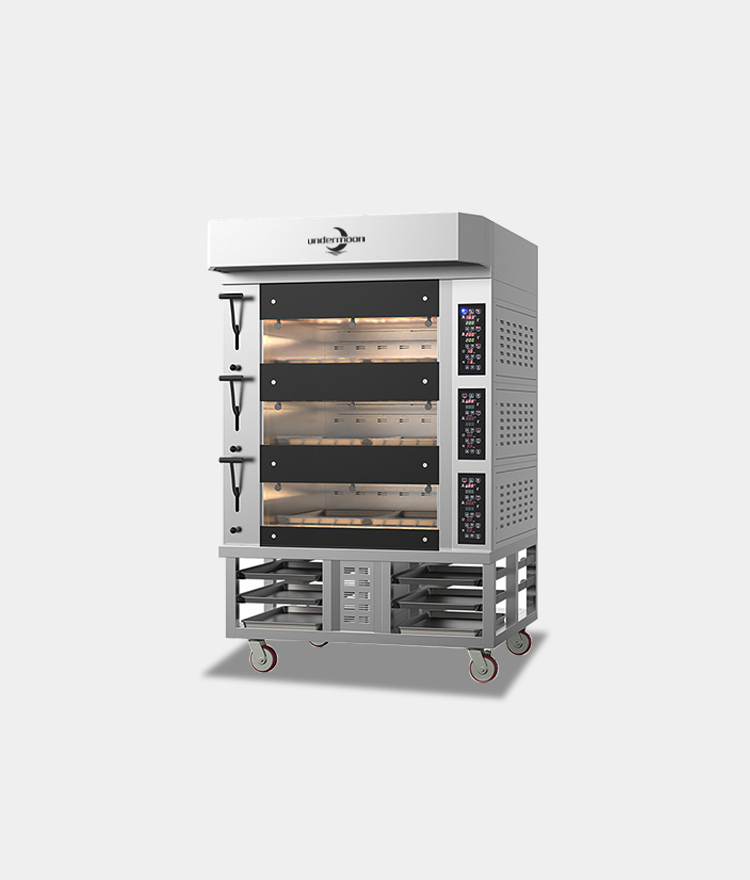
Because we've been making business baking tools for 20 years, we know the infrastructure problems that purchasing managers face when they need to order gas-powered ovens. Our three-deck gas oven for professional bakery operations blends tried-and-true mechanical controls with sturdy 304 stainless steel construction to provide the reliable performance chain bakeries and food processing facilities require. We offer full customization, ranging from changing the voltage and gas type to adding steam input systems and changing the layout of the stone decks, to make sure that the equipment fits perfectly with your production needs and the standards of the local utility companies. As a trusted three-deck gas oven for professional bakery suppliers,we provide complete technical documentation supporting compliant installations, backed by CE and ISO9001 certifications and responsive global support. Contact undermoon at undermooncn@gmail.com to talk about the details of your project and find out how our manufacturing experience can help you find solid, low-cost baking options.
References
1. National Fire Protection Association. (2021). NFPA 54: National Fuel Gas Code. Quincy, MA: NFPA Publications.
2. American Gas Association. (2020). Gas Piping Technology Committee Manual for the Design of Commercial Gas Piping Systems. Washington, DC: AGA Technical Services.
3. Occupational Safety and Health Administration. (2019). Regulations (Standards - 29 CFR): Ventilation Requirements for Commercial Cooking Operations. U.S. Department of Labor.
4. International Association of Plumbing and Mechanical Officials. (2021). Uniform Mechanical Code: Chapter 12 - Fuel Gas Piping. Ontario, CA: IAPMO Publications.
5. Bakery Equipment Manufacturers and Allieds. (2022). Commercial Oven Installation Standards and Best Practices. Industry Technical Report Series.
6. European Committee for Standardization. (2020). EN 203: Gas Heated Catering Equipment - Part 2-6: Specific Requirements for Baking Ovens. Brussels: CEN Publications.
Online Message