Sep 29, 2026
Energy-Efficient Multifunctional Commercial Baking Ovens for Modern Food Businesses
There is more and more pressure on modern business kitchens to keep quality high while keeping costs low. A multifunctional commercial baking oven solves these problems by combining improved temperature control, insulation that uses less energy, and a number of different baking options into a single unit. When compared to older equipment, these precision-engineered systems use up to 30% less energy and increase output at the same time through smart heat distribution and programmable baking processes. This directly means higher profits and more consistent products for restaurants, central kitchens, and food preparation plants.send inquiry.
Understanding Multifunctional Commercial Baking Ovens and Their Benefits
For industrial baking, you need tools that can work with different production plans without changing the quality of the baked goods. Today's industrial deck ovens have advanced control systems and electric heating parts that work together to get consistent results with a wide range of products.
Advanced Technological Components for Precision Control
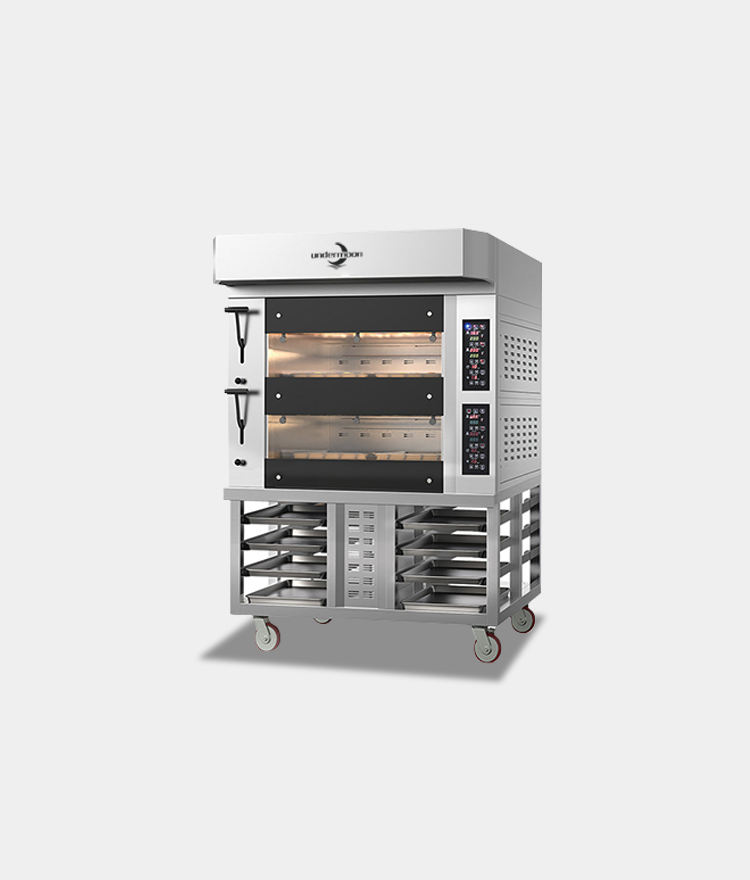
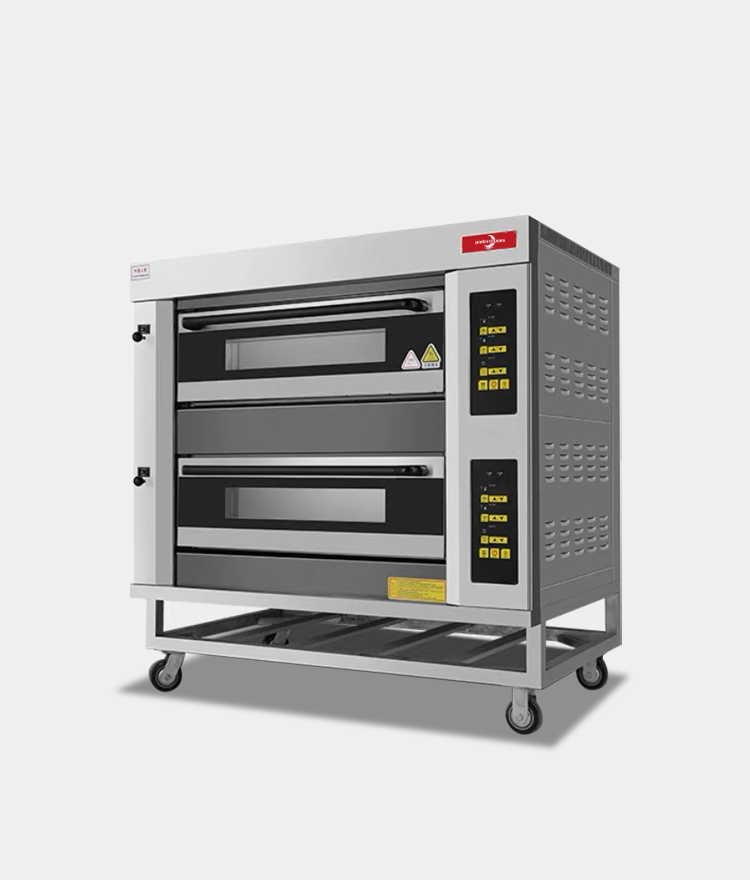
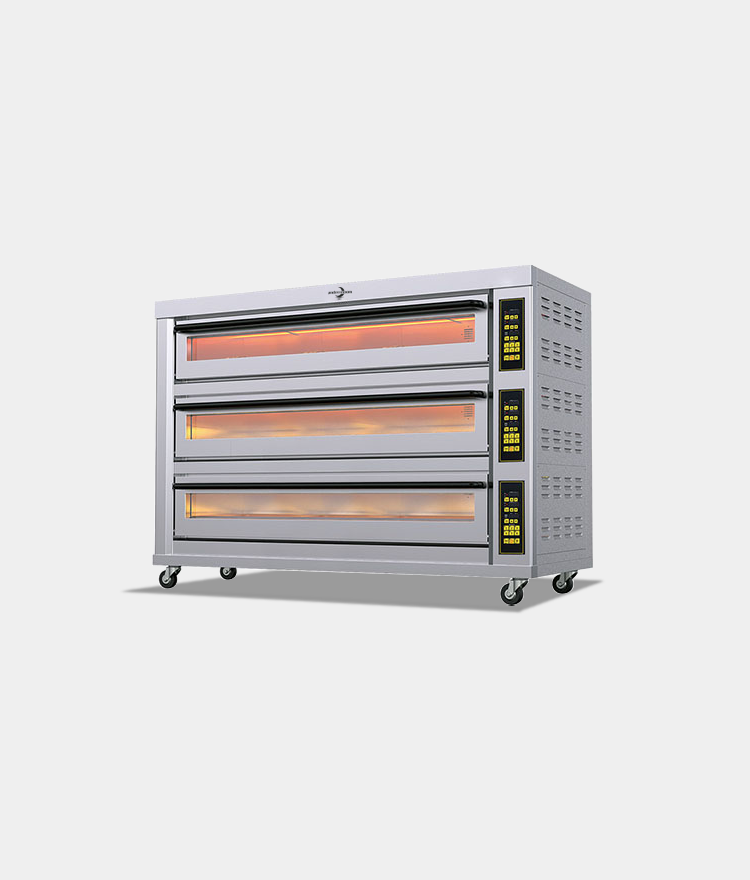
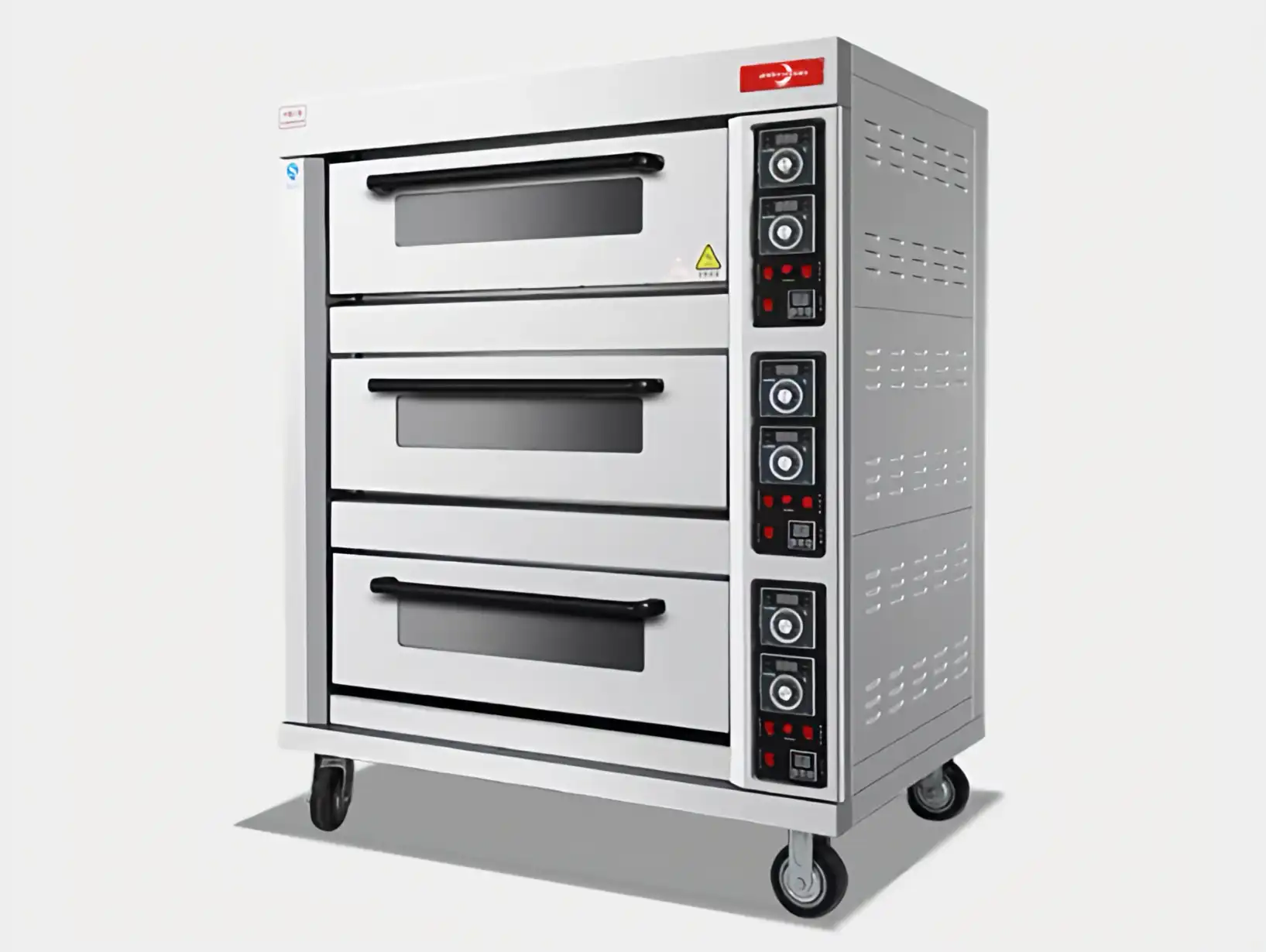
Modern baking methods are based on engineering that focuses on keeping the temperature stable and spreading it out evenly. High-quality units are made of SUS304 stainless steel and ceramic fiber insulation, which keeps the chamber's integrity even during long periods of high-temperature use. Temperature monitors placed all over the baking room send real-time data to control panels, which allow changes to be made to within ±1°C. When making delicate cakes or specialty breads that need specific heat profiles, this level of accuracy is very important. Our 3-deck 9-tray electric oven (Model SL-KXD3-9) is a good example of this method. It has mechanical buttons that make it easy to set the temperature and time over a wide range, from room temperature to 400°C, so it can be used for everything from slow-proofing to high-heat crust development.
Energy-Saving Features and Operational Efficiency
One of the biggest advantages of a multifunctional commercial baking oven is its ability to reduce energy consumption while maintaining consistent baking performance. Equipment with thicker insulation layers keeps heat in better and uses less energy to keep temperatures at goal levels. The small footprint of multi-deck setups makes the best use of floor room while still carrying a lot of weight. A three-deck system that is 1640 x 805 x 1500 mm can handle up to nine full-size trays at the same time, which is three times as much as a single-chamber system without taking up more space. This vertical stacking method works especially well in cities where the cost of real estate makes it hard to make kitchens bigger. When operators switch from older equipment that only did one thing to combined multi-deck systems, they save anywhere from 15% to 30% on energy costs. The payback time is usually between 18 and 24 months after installation.
Enhanced Productivity Through Design
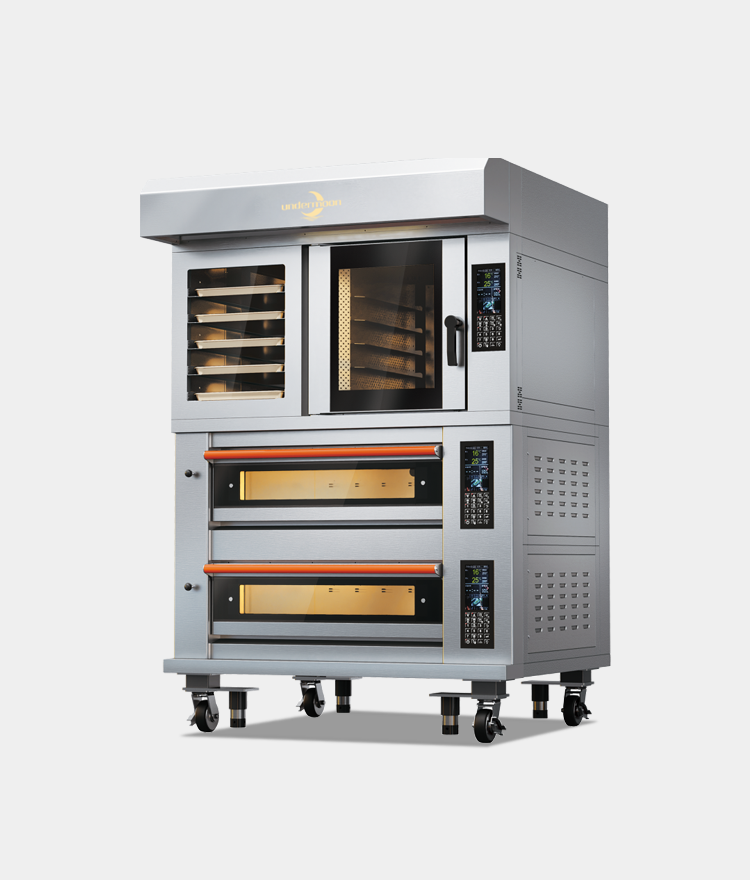
A multifunctional commercial baking oven improves productivity by allowing multiple baking processes to run simultaneously. Multi-layer designs let different goods bake at different temperatures at the same time, so bakeries can keep a wide range of products on hand without having to worry about scheduling issues. With separate settings for each deck, croissants can rise at lower temperatures on one level and get their top color on another, all while using the same amount of space. This organizational flexibility cuts down on the number of workers needed and speeds up work processes, which lets smaller teams handle higher production rates. Even results no matter where the tray is in the room because the heat is evenly distributed across all levels. This means that the trays don't need to be rotated in the middle of the cycle, which saves time and effort.
Comparing Multifunctional vs. Standard Commercial Baking Ovens
When buying business tools, you need to carefully consider both the short-term costs and the long-term benefits. Knowing the technical differences between types of tools helps procurement teams make decisions that are in line with practical goals.
Performance Metrics and Capability Range
Most traditional ovens only have one function: they heat in a set pattern and let you change the temperature. On the other hand, a multifunctional commercial baking oven offers multiple heating modes, adjustable fan speeds for convection control, and programmable staging that automates complex baking processes. Advanced models with steam input make it possible to control the humidity that is needed for making gourmet bread, and dry heat modes are good for making pastries. Because it is flexible, it doesn't need any extra specialized tools. This saves money on capital costs and makes upkeep easier. Standard units may need 20 to 30 minutes to warm, but engineered systems with better placement of heating elements can reach goal temperatures in 12 to 15 minutes, directly increasing the amount of work that can be done each hour.
Total Cost of Ownership Analysis
The price of the tools is only one part of the expense. The amount of energy used over a normal 10-year working lifespan is often higher than the cost of purchase. Units that don't have good insulation or heating parts that don't work well can use 40 to 50 percent more electricity each year than a modern multifunctional commercial baking oven. Total ownership costs also include a lot of the money needed for repairs and upkeep. Quality industrial baking tools with long-lasting parts and service panels that are easy to get to cuts down on downtime and repair costs. Our manufacturing process includes trying door gaskets and hinges for a long time by opening and closing them 50,000 times. This makes sure that the parts can handle the high frequency of opening and closing in business settings without breaking too soon.
Safety and Compliance Considerations
Safety rules at work are having a bigger impact on the choice of tools. Modern multifunctional commercial baking ovens feature heat-resistant viewing windows, cool-touch exteriors, and automatic shutdown systems that activate when temperatures exceed safe operating limits. Getting CE, ETL, UL, and NSF certifications shows that you follow foreign safety standards. This protects businesses from liability and makes it easier to use tools in a lot of different legal areas. Testing for electromagnetic compatibility makes sure that cooking appliances can work with each other without interfering, which protects the stability of automated control systems.
Choosing the Best Energy-Efficient Multifunctional Commercial Oven for Your Bakery
To choose the right baking tools, you need to make sure that the technical specs match the output needs. When people buy things too quickly, they often end up with capacity that isn't being used or performance gaps that slow down operations.
Production Capacity Assessment
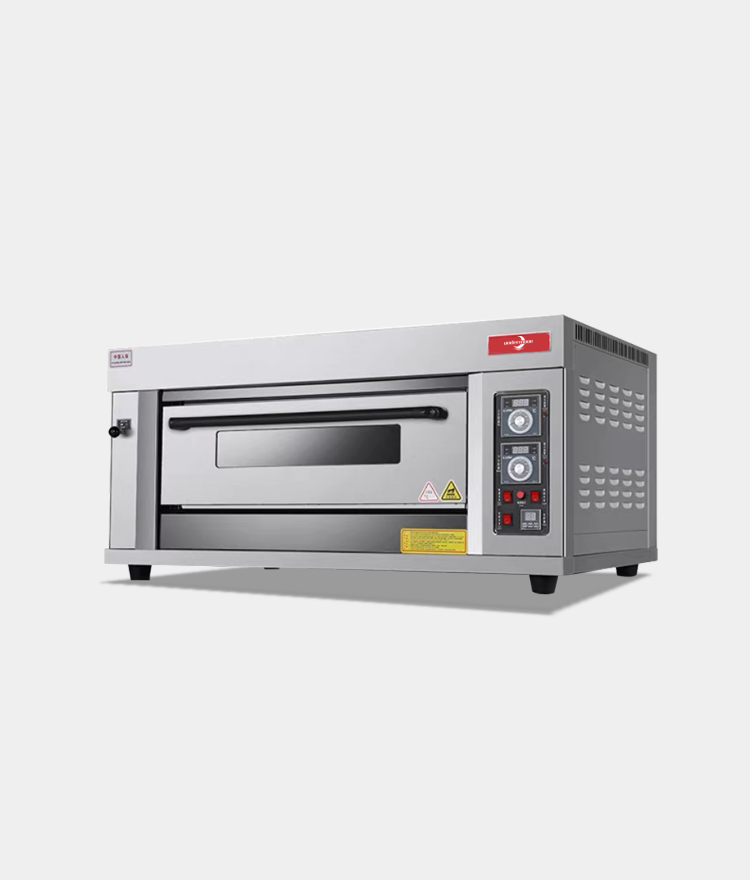
First, figure out how much baking is done every day for each type of product. A bakery that makes 500 loaves every day needs a different amount of space than a central kitchen that supplies 3,000 units to multiple stores. Figure out how many trays are needed for each batch, taking into account the space between products and the best loading density. A multifunctional commercial baking oven with a multi-deck configuration allows businesses to increase capacity without purchasing additional equipment. The three-deck design of a multifunctional commercial baking oven allows products to be processed at different baking stages simultaneously, creating an efficient vertical production workflow. This method works well for businesses that want to switch from selling things to bulk customers without having to move to bigger spaces.
Evaluating Temperature Control Precision
The uniformity of the baking depends on how well the temperature stays stable during rounds. Mechanical control systems have been shown to be reliable, and they are easy to use, so cooking staff don't have to go through as much training. Digital interfaces let you store recipes in a way that can be programmed and make more precise changes, but they also add electric parts that need to be fixed by someone with technical knowledge. When choosing a control system, think about how technically skilled your team is and how complicated your products are. Simple mechanical controls work best in places with a lot of change and simple production runs. On the other hand, programmable systems help places that make a lot of different specialty items that need exact heat profiles.
Supplier Qualification Criteria
The reliability of a multifunctional commercial baking oven depends heavily on manufacturing quality and supplier support systems. We have been making industrial ovens for 20 years and have set up standard manufacturing procedures and quality control steps throughout the production cycle. This level of growth means that failures happen less often and services are needed less often. When sourcing a multifunctional commercial baking oven, buyers should evaluate component sourcing, factory certifications, and after-sales service capabilities. Find out if extra parts are available and how long it usually takes for expert support to get back to you. Overseas buyers should check the seller's export experience and how well the containers are loaded, since bad packing can cause damage during shipping that slows installation and launching.
Procurement Guide: Buying and Implementing Multifunctional Commercial Baking Ovens
Getting the right equipment means more than just choosing the right product. It also means building relationships with suppliers, planning how to implement it, and teaching operators how to use it. Strategic buying practices get the most out of the money that is spent on baking equipment.
Pricing Structures and Customization Options
The price of a multifunctional commercial baking oven depends on its size, features, and level of customization. Standard designs are cheaper because they can be made in large quantities, while customized specs are better for meeting specific practical needs. Our production skills allow us to change the voltage to meet international power standards, the gas type to fit the infrastructure of regional utilities, and the capacity to meet specific flow goals. With OEM and ODM services, wholesalers and big chains can make their own private-label equipment that helps build their brand. Clear pricing systems that split the cost of base equipment from the cost of customization make budgeting easier and keep buyers from being surprised by costs during the buying process.
Delivery Logistics and Installation Planning
Lead times for equipment depend on how customized it is and how many orders are placed. Standard electric deck ovens usually ship within 15 to 20 business days. Customized multifunctional commercial baking ovens may require 30 to 45 days for component sourcing and assembly. International shipping costs are affected by how efficiently containers are loaded. For example, using optimized packing instead of creative crating can cut freight costs by 10-15%. Time the delivery to coincide with the facility's readiness, making sure that the electricity infrastructure, ventilation systems, and floor strengthening all meet the equipment's needs before it arrives. Professional installation by factory-trained techs stops operating problems caused by bad setup, and thorough operator training makes sure that staff know the best ways to load, set the temperature, and maintain equipment to keep it running well.
Warranty Terms and Support Infrastructure
Equipment guarantees cover problems with the way the equipment was made and parts that break during the first few months of use. Standard coverage lasts between 12 and 24 months, but longer choices are available for important work settings where downtime costs a lot of money. Make sure the guarantee covers wearable parts like heating elements and door locks, since they will gradually lose their effectiveness over time. When purchasing a multifunctional commercial baking oven, buyers should evaluate technical support response times and service coverage areas. We keep responsive contact lines, giving our clients expert advice throughout the lifecycle of their tools and making sure they can keep making things.
Optimizing Energy Efficiency and Performance in Commercial Baking
Investing in equipment only pays off if workers follow best practices that keep it working well and make it last longer. Facilities that get consistent results and don't replace equipment too soon are different from those that do well because they have proactive upkeep and strict operating discipline.
Temperature Management Protocols
Proper temperature management is essential for maximizing the efficiency of a multifunctional commercial baking oven while maintaining product quality. Preheating to exact goal temperatures instead of going over them saves energy that would otherwise be used. As much as possible, keep the doors closed during baking processes. Each opening releases a lot of heat energy that needs more power to return the room to its original state. To avoid temperature changes between rounds, group goods that are similar together in a batch. Our equipment's three-dimensional balanced heating design keeps all deck levels at the same temperature. This lets different things be made at the same time without heat profiles or smells getting mixed up.
Preventive Maintenance Schedules
Regular cleaning keeps waste from building up, which lowers the efficiency of heat transfer. Stainless steel surfaces don't rust and are easy to clean, but they need to be cleaned with the right chemicals that don't damage the material. Every month, check the door gaskets for tension damage or thermal degradation. If the seals are broken, heat can escape, which can increase energy use by 8–12%. The state of the heating element has a direct effect on how well the temperature is controlled and how much energy is used. An annual professional check finds parts that are getting close to the end of their useful life before they break down and mess up production plans. This way, replacements can be planned for times when demand is low instead of having to be done quickly when demand is high.
Performance Monitoring and Data Analysis
Advanced control systems in a multifunctional commercial baking oven can track operating cycles, temperature fluctuations, and energy consumption trends. When you look at this data, you can find ways to make things better, like changing the preheating routines or combining production schedules to cut down on total working hours. Within six months of starting data-driven efficiency programs, buildings that use them see their energy costs drop by 12 to 18%. Even mechanical control systems can benefit from manually keeping track of baking cycles and temperatures. This sets standard performance measures that show when repair needs to be done because of gradual decline.
Conclusion
A multifunctional commercial baking oven is one of the most valuable investments for bakeries, restaurants, central kitchens, and food production facilities. By combining energy efficiency, flexible baking functions, and precise temperature control, a multifunctional commercial baking oven helps businesses increase productivity while lowering operating costs. Choosing the right multifunctional commercial baking oven can provide long-term benefits in product quality, production capacity, and profitability.
FAQ
How does a multifunctional commercial baking oven reduce energy consumption?
Stacking things vertically compresses thermal mass in a smaller space, which lowers the amount of heat that escapes through the outside. When decks share insulation layers, less energy is wasted than when different parts need their own insulation. A three-deck system usually takes up about a third of the floor room and uses 25 to 30 percent less energy than three separate ovens that produce the same amount of food.
What factors determine the appropriate power supply voltage for commercial ovens?
The voltage choices are limited by the electricity facilities in the area. For smaller tools, North American sites usually use 208V or 240V single-phase, while 480V three-phase is best for large installations. Our 380V specification is in line with foreign standards that are popular in business kitchens. However, when we make the equipment, we change the voltage configurations to fit the electrical systems at each site.
Can mechanical control systems achieve the consistency of digital interfaces?
Mechanical controls are stable, easy to use, and have been shown to last in harsh cooking settings. Experienced workers get great consistency through set routines, even though they don't have programmable recipe memory. Digital systems are better for complicated baking with multiple stages, but they have electrical parts that need to be maintained by people who know how to do that, which some companies don't have.
Partner with Undermoon for Superior Commercial Baking Solutions
Undermoon makes it easier to buy industrial ovens by bringing production maturity and customization options. We have been making multifunctional commercial baking ovens for a long time and have a lot of experience exporting. The equipment we sell is designed to work in tough production settings. Our 3-deck 9-tray electric oven is a great example of how modern bakeries need to balance volume, speed, and ease of use. Our OEM/ODM services make sure that your facility's equipment fits exactly with its needs, whether it needs standard setups or custom changes for one-of-a-kind goods. You can talk to technical experts about your baking equipment needs by emailing undermooncn@gmail.com. These experts know how to deal with problems that come up in business production and can give you useful answers along with full support.
References
1. American Bakers Association. "Energy Efficiency Standards in Commercial Baking Operations." Industry Technical Guidelines, 2022.
2. National Restaurant Association. "Equipment Investment Strategies for Multi-Unit Food Service Operations." Procurement Best Practices Report, 2023.
3. Commercial Food Equipment Service Association. "Preventive Maintenance Protocols for Commercial Ovens." Technical Service Manual, 2021.
4. Institute of Food Technologists. "Thermal Processing Equipment: Performance Metrics and Selection Criteria. "Food Engineering Journal," Volume 94, 2023.
5. Foodservice Equipment Distributors Association. "Total Cost of Ownership Analysis for Commercial Kitchen Equipment." Industry White Paper, 2022.
6. International Association of Refrigerated Warehouses. "Energy Management in Commercial Food Production Facilities." Operations Optimization Guide, 2023.
Online Message