Nov 3, 2026
How Does a Double-Deck Stainless Steel Oven Work?
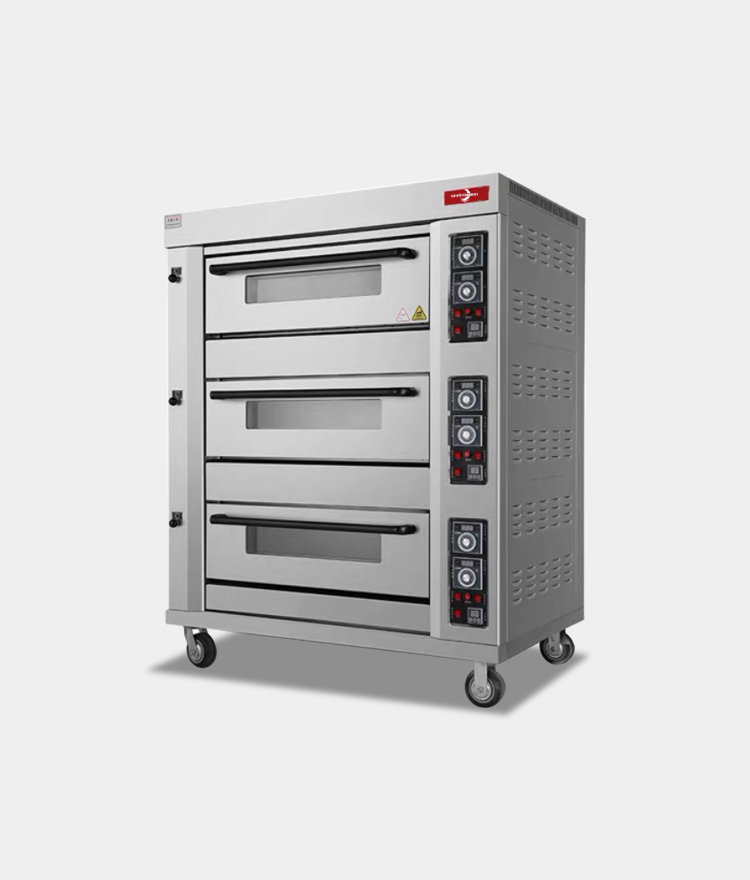
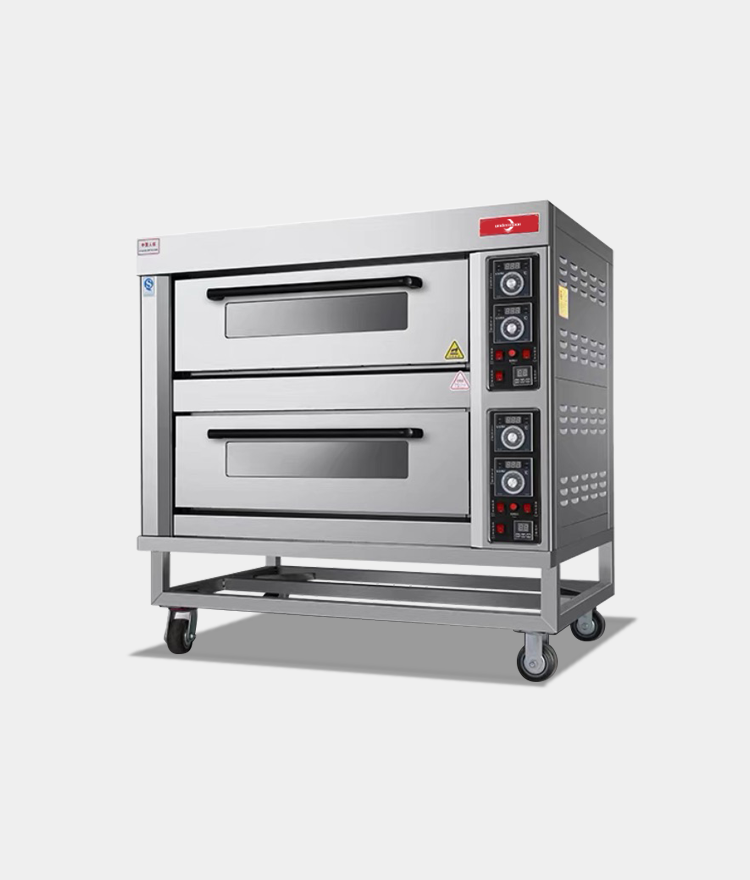
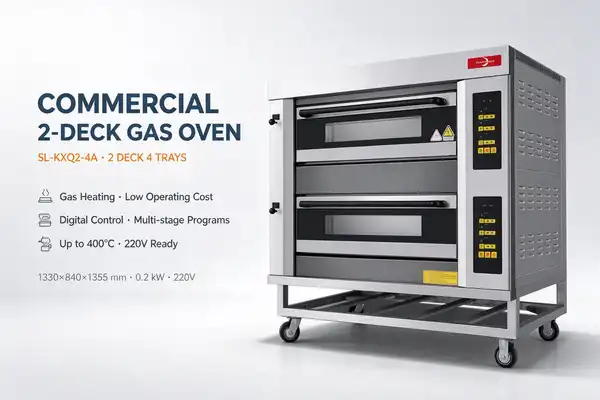
The double deck stainless steel oven has two baking chambers, vertically stacked, independently regulated, and encased in stainless steel of food-grade quality. Every deck comes with its own gas burner system, digital temperature controller, and thermal insulating layer. When the gas is ignited, the heat radiates uniformly via far-infrared stone decks or steel plates on the baking surface; the heat is retained by high-density insulation with low energy loss. The digital display allows the operator to establish individual temperature curves, timers, and multi-stage programs for each deck concurrently. This design means that one footprint may do two separate baking operations at the same time – an obvious efficiency improvement for any central kitchen or big volume bakery.send inquiry.
Understanding the Double-Deck Stainless Steel Oven: Structure and Function
It pays to know precisely what you are getting when you purchase professional baking equipment. The mechanical logic of a stacked deck oven is simple, but the technical intricacies are what will make a unit last five years in daily output, or start breaking at month eighteen.
The Two-Chamber Architecture
The trick is two separate baking chambers, one on top of the other, on one chassis. Every chamber is an independent temperature environment. Isolation between decks minimizes heat cross-contamination. So operating 250°C on the top deck while proving dough at 80°C on the bottom generates no interference. The dimensions of the SL-KXQ2-4A are 1330×840×1355 mm, which can be accommodated easily in the normal width corridors of commercial kitchens without any structural alterations.
Heating Elements and Heat Distribution
Each deck floor is equipped with a gas burner that produces radiant heat which rises through the baking surface. Multi-point heat distribution. Temperature variation is kept to within ±2°C on all four trays and is validated by thermocouple testing during production quality checks. That’s the difference between commercial-grade deck ovens and lighter-duty versions that create hot areas and uneven browning.
Digital Control and Thermal Insulation
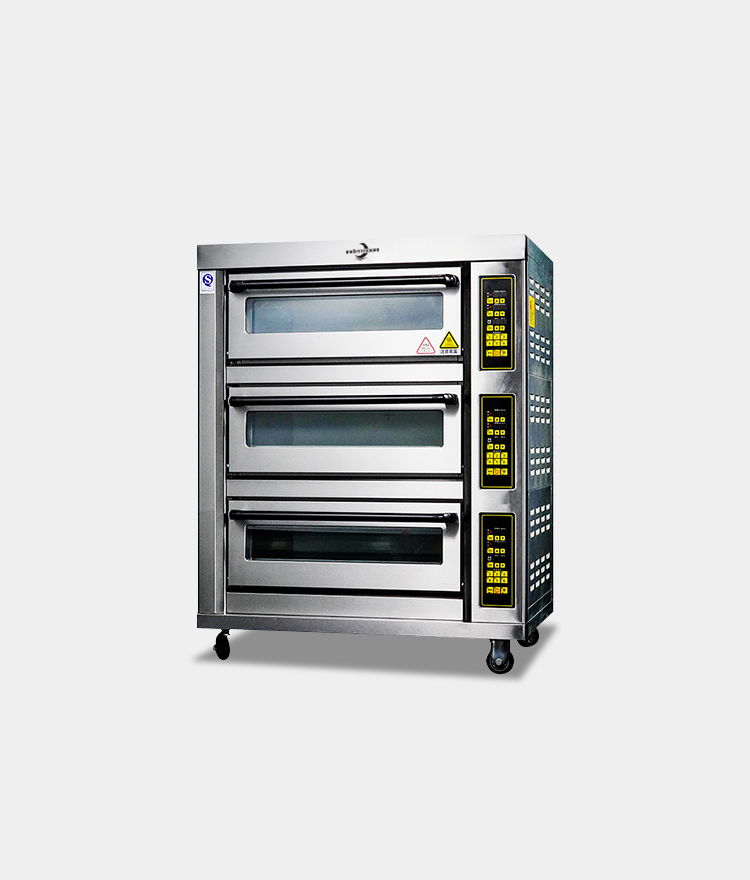
The SL-KXQ2-4A’s digital computer screen allows each deck to be separately controlled for temperature (ambient to 400°C), baking time, and multi-stage programs. The two chambers are encapsulated by high-density thermal insulation that keeps the outside shell touch-cool throughout operation. This protects personnel, decreases ambient heat in the kitchen, and prevents heat leak from harming electrical components – a detail which directly prolongs the service life of the control board.
Key Features and Benefits of Double-Deck Stainless Steel Ovens
The staff who acquire products for the central kitchen always come up with a list of three non-negotiables: the safety of the food, the flow of work, and the expense of care over five years. The correct industrial double deck stainless steel oven can take care of all three.
As you can see, gas-fired stainless steel deck ovens are the finest solution for busy central kitchens since they:
- Food-Grade Stainless Steel Construction: All external and internal surfaces of the SL-KXQ2-4A are made from commercial-grade stainless steel. Unlike powder-coated options, stainless steel does not chip, corrode, or house germs in surface cracks – a strict requirement for HACCP-compliant operations. Spectroscopy testing done throughout manufacture assures corrosion resistance criteria are satisfied before any device is shipped.
- Gas Heating Efficiency: Gas ignition allows a fast recovery of heat after the door opening, which is important in the case of continuous manufacturing. Operating costs remain below those of comparable electric versions, especially in buildings that operate 12 to 16 hours a day. For example, the SL-KXQ2-4A requires just 0.2 kW of electrical power while the thermal load is handled by the gas connection.
- Multi-step baking programs: The digital display allows programmed baking sequences so operators may set complicated recipes and let them run without having to keep watch. The second deck has an independent timer for proofing bread, while the pizza operation may run an autonomous sear and finish cycle.
Food-grade stainless steel: Commercial-grade stainless steel is used for both the outside and inside of the SL-KXQ2-4A. Different forms of powder coating won’t rust, chip, or allow germs to develop in surface crevices as stainless steel does. This is a rigorous and fast requirement that HACCP-compliant establishments must observe. Standards for rust resistance are satisfied before any unit is moved. This is achieved using spectroscopic testing in manufacturing.
Versatility Across Product Types
Programmable baking routines let workers handle complicated recipes without having to keep an eye on them all the time. The digital panel lets workers set up programmable baking routines. In an instant, a pizza shop can run a "sear" phase and then a "finish" phase. A second deck with a different timer can rise the bread.
Durability Under Commercial Pressure
Central kitchens that serve 20 or more stores have problems with production that these benefits directly solve. For example, they have to keep batches consistent, follow cleanliness rules, and be able to run multiple SKUs at the same time without the temperature settings getting mixed up.
Comparing Double-Deck Stainless Steel Ovens with Alternatives
Double-Deck vs. Single-Deck Models
A single-deck oven is almost as big, but it only makes half as much food in a shift. The difference means either longer shifts or smaller batches for a central kitchen that serves 20 shops. Both of these things make the cost of labor per unit go up. Two-deck units can double the amount of work that can be done without making the kitchen bigger because they are elevated.
Gas vs. Electric Deck Ovens
Due to the fact that they don't need a gas line to be installed, electric deck ovens can be used in places where gas supply is limited. Gas types heat back up faster after the door is opened, and even when they're being used a lot, they use less energy per hour. Gas is always cheaper to run than electricity for places that are open 12 hours a day or more. You can choose between natural gas and LPG when you place your order for the SL-KXQ2-4A.
Established Brands vs. Factory-Direct Sourcing
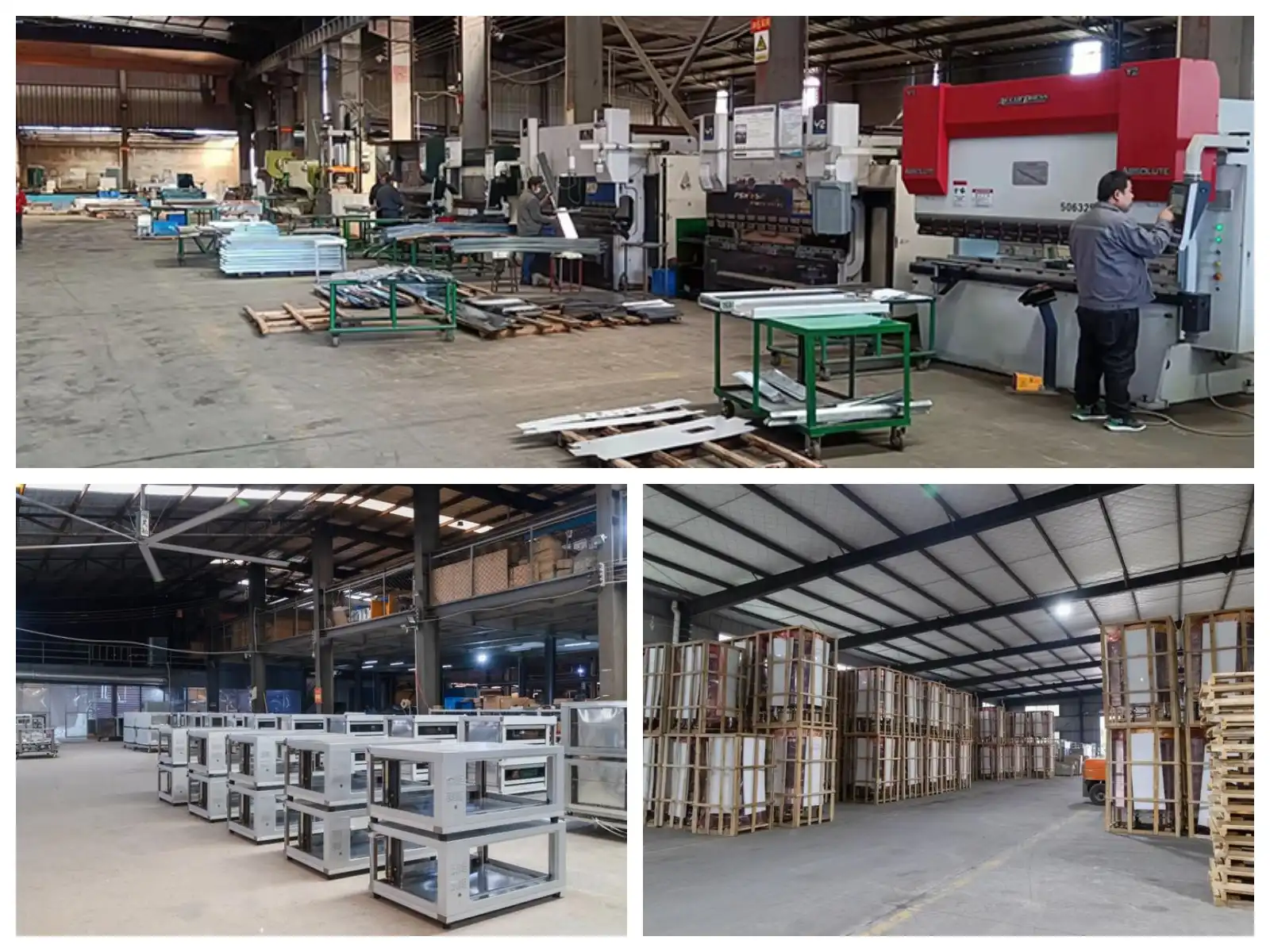
Hobart and Blodgett are two well-known names in the North American food service market. They have a lot of dealers, and parts are easy to get. If you need to buy five to ten units at once and have specific paperwork, buying directly from a 20-year manufacturer like Undermoon can save you money on each unit, give you OEM customization options, and give you direct engineering support. All of these benefits are important.
How to Select and Procure the Ideal Double-Deck Stainless Steel Oven
Matching Capacity to Production Volume
To begin, count how many trays you need to print every day. The SL-KXQ2-4A has two double deck stainless steel ovens, and each one can hold four boxes. With an average 20-minute bake session, one unit can handle 160 tray loads per day. A normal day lasts 14 hours. Check your SKU mix and delivery schedule against the number of units you want to order before you decide.
Procurement Documentation and Compliance
When the HACCP or food safety authority checks out a central kitchen, they need more than just product spec sheets. They also need material approval records. If you want to buy something, make sure the seller gives you proof of the grade of the stainless steel and safety data sheets for the insulation. Every package from Undermoon comes with a full set of papers. This has information about the products and checks for quality.
Logistics and Installation Planning
When you order something from another country, it's usually sent in a full container. A certified technician must install a gas appliance and make sure there is a gas supply in the area before it can be used. The SL-KXQ2-4A only needs a gas line and a 220V power outlet for the controls. This makes setting up the site easier than with electric types that use a lot of amps.
Best Practices for Using and Maintaining Your Double-Deck Stainless Steel Oven
Startup and Daily Operation
Preheat each deck individually to the appropriate temperature before filling trays. After attaining the temperature, allow 15-20 minutes for the baking surface to establish thermal equilibrium. The first batch of each shift will be used as a calibration reference, and if the first batch results are consistent, then the oven is operating within spec.
Cleaning Protocols
Wipe the inside surfaces after each shift while the oven is still warm but not at operating temperature with a moist cloth. Stainless steel surfaces are stain-resistant and do not need to be chemically descaled. Cracked or torn rubber or plastic parts of the oven, such as the door gasket, should be replaced. Clean the outside using a nonabrasive stainless steel cleanser, avoiding damage to the surface.
Preventive Maintenance Schedule
Inspect burner ignition systems quarterly. Every six months, check the integrity of the door seal — a damaged seal may increase fuel consumption and cause temperature instability. Check the heating element connections and the control board wiring yearly. 3. These checks are scheduled proactively to make sure the oven stays functioning during peak production hours without any unwanted downtime.
Conclusion
The issue can be addressed with a digitally controlled two-deck industrial double deck stainless steel oven fuelled by gas. This oven bakes twice as much in the same amount of floor area, while it still meets food safety regulations and keeps expenses down. For 20 years, the company has been producing industrial baking equipment, including the SL-KXQ2-4A type (1330x840x1355mm, 0°C to 400°C, 0.2 kW power usage). Procurement teams need to understand how a stacked deck oven works on a technical level before they sign a purchase order. This will enable them to ensure equipment fits HACCP checklists, depreciation schedules, and delivery criteria for various outlets.

FAQ
1. What stainless steel grade does the SL-KXQ2-4A use?
The unit uses commercial-grade stainless steel throughout its construction. For facilities requiring HACCP documentation, Undermoon provides material certification reports confirming the corrosion resistance standard of the steel used in food-contact surfaces.
2. Can both decks run at different temperatures simultaneously?
Yes. Each deck has an independent digital controller, so you can run 300°C on the top deck and 180°C on the bottom deck at the same time without thermal interference between chambers.
3. What is the heat-up time to reach 250°C?
Under standard gas supply conditions, the SL-KXQ2-4A reaches 250°C within approximately 15–20 minutes from a cold start.
4. Does the oven support bulk ordering and OEM customization?
Undermoon ships in full container loads of 5–10 units and supports OEM/ODM customization, including panel design, gas type configuration, voltage adaptation, and branded labeling for chain operators or distributors.
5. What after-sales support is available?
Undermoon provides technical documentation, parts support, and direct engineering consultation. Contact undermooncn@gmail.com for after-sales service requests or spare parts inquiries.
Upgrade Your Central Kitchen — Request a Quote from Undermoon
For twenty years, Undermoon has sold big double deck stainless steel ovens to bakeries and main kitchens all over the world. From the company that makes our double-deck stainless steel oven, we can get full OEM customization, safety paperwork, and container-load delivery. You can get product specs, material approval reports, and a factory price quote based on how many units you want to buy by emailing our technology team at undermooncn@gmail.com.
References
1. Gisslen, W. Professional Baking (7th ed.). John Wiley & Sons, 2017.
2. Amendola, J., & Rees, N. Understanding Baking: The Art and Science of Baking (3rd ed.). John Wiley & Sons, 2003.
3. National Restaurant Association. ServSafe Manager Handbook (7th ed.). National Restaurant Association Educational Foundation, 2018.
4. Food and Agriculture Organization of the United Nations. Codex Alimentarius: General Principles of Food Hygiene (CXC 1-1969, Revised 2020). FAO/WHO, 2020.
5. Matz, S. A. Bakery Technology and Engineering (3rd ed.). Springer, 1992.
6. American Society of Heating, Refrigerating and Air-Conditioning Engineers. ASHRAE Handbook — HVAC Applications: Commercial Kitchens. ASHRAE, 2019.
Online Message
YOU MAY LIKE
High quality furniture manufacturer